
Moscow: Capital, Kremlin, and Neighborhoods Along the Moskva River
Moscow is Russia’s capital, a major transport hub, and a cultural powerhouse. The city feels vast, fast-paced, and sometimes contradictory, but it can be explored in manageable sections. When planning a first visit, the city’s size, the location of its attractions, and the time it takes to get around are especially important. By grouping priorities by neighborhood, you can explore Moscow in realistic stages and leave time for breaks.
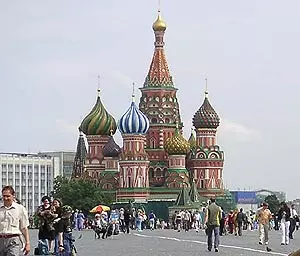 Die Basilika auf dem Roten Platz in Moskau gehört sicher zu den am meisten fotografierten Sehenswürdigkeiten von Moskau.
Photo: Markus Lenk
Die Basilika auf dem Roten Platz in Moskau gehört sicher zu den am meisten fotografierten Sehenswürdigkeiten von Moskau.
Photo: Markus Lenk
Orientation
Moscow: Capital, Kremlin, and Neighborhoods Along the Moskva River is a destination that’s easier to plan when you understand the locations, routes, and nearby places from the outset. For a short visit, one focused central area is often enough. With more time, museums, riverbanks, parks, excursions, and quieter neighborhoods become more appealing.
These pages can help with route planning: Russia, Golden Ring, Volga, Karelia, Pyatigorsk, Siberia, St. Petersburg, Moscow Airports. They offer convenient connections if your trip is to include more than just one destination. In Moscow, departure points, transfers, and the return journey should therefore be planned around the day’s itinerary.
What Defines the City
A place’s character comes from its history, cityscape, landscape, and present-day life. Moscow is therefore about more than individual attractions: it is also about routes, squares, riverbanks, viewpoints, and how much time a visit really requires.
- Red Square, the Kremlin walls, and St. Basil’s Cathedral as a classic starting point
- The Moscow Metro, with richly decorated stations in the city center
- Museums, theaters, and broad boulevards around the inner city ring
- Parks, riverbanks, and viewpoints for quieter moments
In central Moscow, the Kremlin, Red Square, Metro stations, and museums are all in the same large city, but they are not necessarily a short walk apart. For a sightseeing route, start by choosing a neighborhood and one main destination. Security checks, walking time, queues, and a break should all be part of the same schedule as the visit itself; plan the return journey as a separate leg.
Planning Your Visit
A good day in Moscow begins with a clearly defined area of the city, not the longest possible list of attractions. The Kremlin and Red Square can form a historical focus, while museums, riverside walks, and parks call for a different pace. Before setting out, coordinate locations, admission, routes, and the return journey so that one delayed stop doesn’t throw off the entire day.
In summer, central squares, museums, and routes in Moscow tend to be busier; an early start and a realistic time buffer can help. Spring and fall are often well suited to longer city walks, while in winter, shorter routes, indoor activities, and a return journey that accounts for the weather matter more. Check current opening hours and access arrangements before your visit.
Connections and Excursions
Moscow is best understood as part of a longer route. With little time, focus on the key sights in the center. If you’re staying for several days, you can add nearby towns, landscapes, or destinations that fit a particular theme.
When traveling to Moscow, don’t consider the train station, airport, or bus terminal in isolation from your day’s plans. Metro access, luggage, security checks, and the journey to your accommodation can add considerably to the actual travel time. For an excursion from the center, check the outbound journey, time at the destination, and last return connection together. A tight connection only makes sense if you’ve confirmed that the routes will work reliably on that particular day.
Practical Tips
When choosing accommodation, location matters more than an apparently small price advantage on the outskirts. Staying near a train station, the center, the river, or a major thoroughfare saves time and makes spontaneous breaks easier. On a multi-stop trip, choose accommodation that lets you start the next travel day without a detour. In Moscow, compare the location of your accommodation with your main daily routes and realistic break times.
If you’re taking photos, visiting museums, or traveling with children, it’s better to plan fewer stops and allow more time for each leg. Great travel experiences often come not from a long list, but from well-chosen stages, clear priorities, and enough flexibility for weather, queues, and unexpected discoveries along the way. In Moscow, take the season into account alongside route conditions, opening hours, and available daylight.
Routes and Time Required
How much time you need in Moscow depends largely on whether it’s a quick stop or a destination in its own right. One day is enough for a first impression if the main sights are close together. Two days leave more time for museums, side streets, riverside walks, markets, or an excursion nearby.
A simple order of operations can help with planning: first sort out your arrival and accommodation, then map out the main routes, and only after that add other destinations. This keeps the day’s schedule manageable. If you’re traveling by train or bus, pay particular attention to early and late connections. On longer journeys, avoid scheduling the next leg too close to the end of your visit. In Moscow, compare the location of your accommodation with your main daily routes and realistic break times.
Seasons and Your Stay
The season can significantly change your impression of the city. The warmer months are ideal for long walks, riverside areas, parks, and trips outside the city. In the off-season, many places are quieter, and museums, architecture, cafés, and compact city routes take center stage. In snow, rain, or heat, a plan that alternates short indoor and outdoor activities is more comfortable. In Moscow, take the season into account alongside route conditions, opening hours, and available daylight.
Time of day matters, too. Central attractions are often more relaxed in the morning, while cafés, promenades, and viewpoints become livelier later on. If you want to take photos, plan not only for the well-known sights but also for the routes between them. Those are often where you get a stronger sense of a city or region. In Moscow, weigh the attractions mentioned here according to the route, time required, and your own pace.
A Traveler’s Perspective
Moscow is particularly suited to travelers who want more than just to tick a name off the map. Your visit will feel more complete if you consider the city’s history, everyday life today, and practical routes together. This also means treating older descriptions with care and checking current conditions on the ground.
For families, groups, and travelers who prefer a slower pace, it makes sense to be selective. A few well-chosen stops are better than an overloaded day. If you want to see more, use the city as a base and explore the surrounding area in smaller stages. That leaves enough time for breaks, meals, finding your way, and spontaneous changes to the plan. In Moscow, plan routes and breaks with the stamina of everyone traveling in mind.
Preparation
Before you leave, it’s worth checking the main practical details. These include current entry and traffic regulations, the location of your accommodation, access to train stations or bus terminals, and which attractions are actually open. Access to particular areas of historic sites, museums, spa towns, and natural attractions may differ from what you expect because of seasonal schedules, construction, or events. In Moscow, compare the location of your accommodation with your main daily routes and realistic break times.
A short list of priorities is also useful. One main attraction, two or three additional stops, and a quieter stretch are enough for many travel days. This keeps your visit flexible without making it aimless. If you’re traveling with others, be realistic about routes and breaks: long distances within a city or region often take more energy than the travel time alone would suggest. In Moscow, weigh the attractions mentioned here according to the route, time required, and your own pace.
Moscow Between History and Everyday Life
For many visitors, Moscow first makes an impression through well-known sights such as the Kremlin, Red Square, Metro stations, and broad avenues. But for a well-planned trip, it’s also worth looking at neighborhoods, museums, parks, riverbanks, and practical routes between attractions.
For more in-depth information, see https://www.poezdka.de/113/Russland/Moskau/kreml-moskau.html, Red Square, and Moscow Airports. Before visiting, check opening hours, ticket rules, transfers, and any current access restrictions directly with the relevant providers.
Moscow: Practical Preparation
Moscow is vast. A good day plan combines a few destinations in one neighborhood with realistic routes, breaks, and a contingency for changes. Planning your trip as a series of manageable stages makes it easier to balance distances, interests, and time to rest.
Organizing Your Route
For trip planning, understanding how places are positioned in relation to one another matters more than drawing up the longest possible list. First work out which destinations actually fit together and how much time you’ll have for arrival, getting oriented, and the return journey. A city stay, a route through the countryside, and a visit to historic sites each have a different rhythm. If you plan several long journeys every day, you’ll lose time to transfers and make your itinerary unnecessarily inflexible. Two or three easily accessible highlights can be more rewarding than six places you only see briefly. In Moscow, departure points, transfers, and the return journey should therefore be planned around the day’s itinerary.
Before making a decision, check current information about entry requirements, transportation, opening hours, health, and local rules with the relevant official authorities. General travel descriptions explain the context but are no substitute for current information. This is particularly important for border crossings, regional restrictions, seasonal road conditions, and changes to public transportation. It’s a good idea to keep a printed or offline copy of essential information in case you don’t have a reliable connection everywhere along the way. In Moscow, departure points, transfers, and the return journey should therefore be planned around the day’s itinerary.
Comparing Cities, Landscapes, and Travel Stages
Cities often lend themselves to planning around a fixed base. From there, you can group museums, markets, historic buildings, and parks by location. For trips through the countryside, consider services, weather, trail conditions, and the distance to your next accommodation. Historic sites may have special opening hours or visitor rules. So don’t judge an excursion by photos and map distance alone. In Moscow, compare the location of your accommodation with your main daily routes and realistic break times.
For families, older travelers, and people with limited mobility, short routes, places to sit, elevators, and accessible restrooms are practical considerations. Travelers with little time also benefit from a plan that explicitly includes breaks. For a long leg, prepare water, suitable clothing, medication, and a way to stay in touch. These tips can’t guarantee a trouble-free trip, but they can help reduce avoidable surprises. In Moscow, plan routes and breaks with the stamina of everyone traveling in mind.
Plan Transportation and Time Realistically
Schedules, border wait times, roadworks, and weather can change. A route that looks quick on a map can take much longer because of a transfer, a walk, or luggage. Before making a firm booking, check the departure point, transfer time, baggage rules, and return journey. For overnight trips and early departures, the location of your accommodation matters as much as the fare itself. Don’t rely on generalized claims about prices or availability; check them with the provider for current information. In Moscow, compare the location of your accommodation with your main daily routes and realistic break times.
If you’re renting a car or using your own vehicle, also check local traffic rules, documents, insurance, and whether the route is actually passable. In remote areas, a long distance shouldn’t automatically be assumed to be an easy drive. Gas stations, repair shops, and mobile coverage may be unevenly distributed. A flexible day plan with a viable alternative is often more robust than a minute-by-minute itinerary. In Moscow, departure points, transfers, and the return journey should therefore be planned around the day’s itinerary.
Respect Regional Differences
A region is not one uniform place. Language, mealtimes, religious customs, payment options, and social etiquette can vary between urban and rural areas. Take local guidance seriously, ask permission before taking photos in religious or private spaces, and don’t photograph people without their consent. Individual experiences should not be generalized to an entire population. In Moscow, weigh the attractions mentioned here according to the route, time required, and your own pace.
Historical and political topics also require a factual, balanced perspective. Place names, border issues, and monuments may be interpreted differently. When information conflicts, official institutions, museums, local communities, and reputable specialist sources are more appropriate than sweeping travel claims. Keep your travel interests separate from current guidance: an interesting destination only makes sense if access, time, and conditions really work. In Moscow, plan indoor visits, access, and routes between individual highlights separately.
A Reliable Checklist
- Check current route, entry, and transportation information before departure.
- Plan stages according to actual travel time, not just straight-line distance.
- Plan your accommodation, return journey, breaks, and a simple alternative.
- Check opening hours, reservations, and special visitor rules directly with each destination.
- Prepare documents, medication, payment methods, and offline information.
- Don’t make decisions based on information that is uncertain or contradictory.
This keeps your plans open enough to accommodate changes while providing enough detail to make good decisions. The right destinations depend on your timeframe, the kind of trip you want, and current conditions at your destination. Additional information about the linked regions can help you get oriented, but it is not a guarantee of availability, prices, or a particular experience. In Moscow, weigh the attractions mentioned here according to the route, time required, and your own pace.
Frequently Asked Questions
How many destinations can you fit into one day?
It depends on distance, transportation, opening hours, and your personal pace. A few nearby destinations are usually easier to plan realistically.
What information should you check shortly before traveling?
Entry requirements, transportation, opening hours, weather, health advisories, and local rules may change and should be checked with the relevant authorities.
What helps when distances are long?
Plan stages and breaks, identify a viable alternative, and check the route and transportation information for updates. Straight-line distance alone isn’t enough.
To make your final selection, consider the routes between the Kremlin, museums, parks, and the relevant transportation hubs together. Information about Moscow Airports and the advice on travel preparation can help you coordinate your arrival, day’s itinerary, and return journey. This turns individual highlights into a manageable visit before the conclusion sums up the kind of trip that might suit you.
If time is short, start by choosing the easiest part of the city to reach. You can then combine a museum visit, a walk, and a break with a clear route back. Other destinations can remain options in case opening hours, weather, or transportation change your plans.
Conclusion
Moscow is a worthwhile stop on a trip through the region when you plan your visit around realistic routes. The trip is most rewarding when you consider the main sights, quieter stretches, and onward travel options together.
