
The Russian Caucasus: Sochi, Spa Towns and Mountains
The Russian Caucasus offers a wide range of travel experiences: the Black Sea coast, subtropical areas, spa towns, foothills and high mountains all come together in a region of striking geographical and cultural contrasts. The first question for travelers, then, is what they want to focus on. Sochi, a spa stay, hiking, winter sports, scenery or sightseeing all call for different routes. Check the latest travel and safety advice before planning a specific trip.
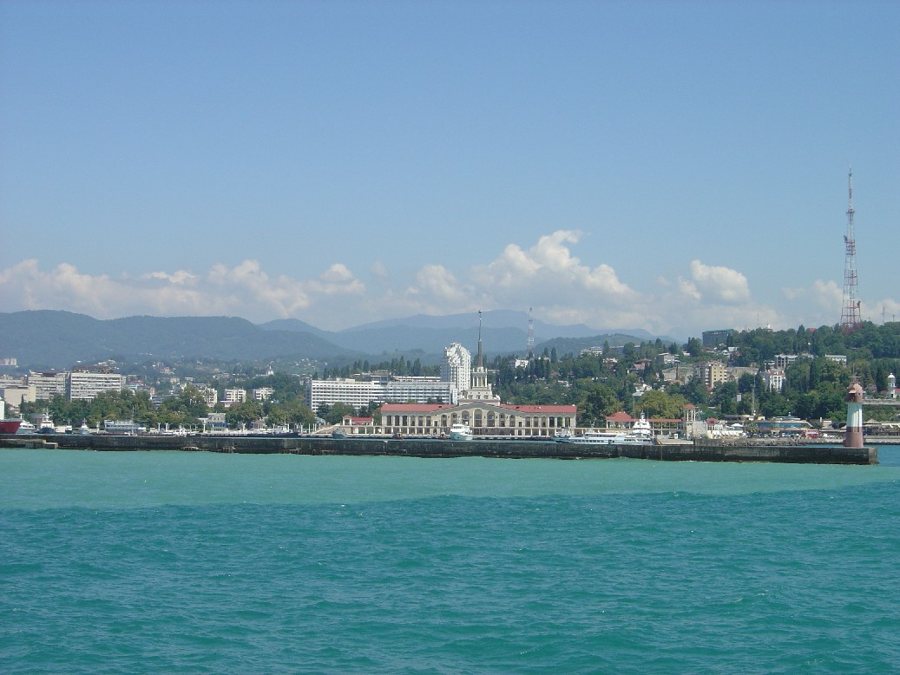 Across the Black Sea to Sochi’s waterfront and the wooded hills behind the city.
Photo: Techniker
Across the Black Sea to Sochi’s waterfront and the wooded hills behind the city.
Photo: Techniker
At a glance: the Russian Caucasus
- The Russian Caucasus is not one uniform landscape; it brings together coast, spa towns, valleys and mountains.
- Sochi represents the maritime side of the region, with trips into the nearby hinterland.
- Pyatigorsk and other spa towns have a distinctive history shaped by mineral springs, parks and wellness stays.
- Altitude, weather and road conditions can significantly affect travel times and daily plans.
- Hikes and mountain excursions require suitable equipment, time to allow for changing weather and a realistic return time.
- Current access, traffic conditions and safety information matter more than old travel itineraries.
The Black Sea and Sochi
Sochi showcases the maritime side of the Caucasus, with its coastline, parks, city districts and opportunities for trips into the mountains. It is not equally suited to every kind of trip. A traveler looking to swim and stroll will plan differently from someone hoping to reach natural or mountain destinations from the coast. Where you stay, local transport and the season all shape how much effort each day will take.
The coast and the hinterland are geographically close, but a visit to both is not necessarily a quick excursion. Weather, elevation changes, roads and waiting times can make a trip longer. A realistic day therefore needs a clear focus and enough flexibility. Information about Matsesta adds historical context about the spa and mineral springs, but there is no need to include every place on the same route.
Spa towns and foothills
Pyatigorsk is more closely associated with spa traditions, parks, mineral springs and the landscapes of the northern Caucasus. A health or relaxation break calls for a different pace from a tour with frequent changes of location. If you want to combine historic spa architecture, walking paths and scenery, plan to spend several days in one place and avoid cramming in too many excursions.
Spa towns also do not guarantee access to any particular medical service. Check available services, treatment options, opening hours and eligibility requirements with the individual facilities. If medical care is not the focus of your trip, parks, local history and the surrounding landscape can take center stage. This keeps your plans independent of specific promises or outdated lists of services.
Mountains, Elbrus and nature
In the mountains, altitude, temperature and trail conditions can quickly change what a trip requires. The information about Elbrus offers useful context, but does not replace checking current access, weather, lifts, trails or local rules. Easy walks, more challenging hikes and winter sports each call for different equipment and safety precautions.
Allow enough time for the drive, finding your way and returning. In remote areas, mobile service, shops and medical assistance may not be readily available. If you are traveling with children or have little mountain experience, choose routes that are easy to assess and set aside an alternative day in case of bad weather. The scenery is no less impressive when you deliberately keep the day’s plans manageable.
Understand the region and plan your route
The Caucasus overview helps put the wider region into perspective. Georgia, Armenia and Azerbaijan are useful geographical points of comparison, but they are not automatically straightforward additions to a trip in the Russian part of the Caucasus. Border crossings, entry requirements and current security conditions need to be checked separately. Even within Russia, St. Petersburg, Kaliningrad and the Russian Far East are not nearby destinations for a quick side trip.
For a first visit, a simple combination is often best: use a coastal location or spa town as a base and take one or two suitable excursions. Plan a longer tour only if you have enough time, reliable connections and room to adapt to changes in the weather. Flights, trains, buses, taxis and organized tours each have different advantages and drawbacks depending on the route.
Current advice and preparation
Before booking, add the German Federal Foreign Office’s travel and safety advice for Russia to your checklist. Also check regional access, accommodation, transport, weather, insurance conditions and how easily you can reach the nearest services. Prices, timetables and opening hours quoted in older texts are not reliable indefinitely.
If you are heading into the mountains, confirm your meeting point, return time and a bad-weather alternative in advance. For the coast and spa towns, the season, demand and location of your accommodation are important factors. One main goal per day, a block of free time and a generous buffer make a trip more resilient than a packed schedule with long transfers every day.
The difference between the coast, spa towns and high mountains
Sochi combines city life, the Black Sea coast and trips into the hinterland. Pyatigorsk is more closely associated with spa traditions, mineral springs and park paths, while Elbrus offers an alpine experience with very different demands. These destinations are not interchangeable stops: your choice depends on accommodation, travel time, altitude and your own fitness level.
Before setting out for a day in the mountains, check the weather, trail conditions, equipment, daylight hours and return plans. If conditions are changeable, choose an easier destination or spend an extra day in town instead. The Ural Mountains page and the Russia overview can help you compare other landscapes, but they say nothing about whether an individual mountain destination is currently accessible.
Check the current country information for the Russian Federation before traveling, along with regional transport and access updates. Older route descriptions should not be taken as confirmation of current operations or safety.
FAQ: The Russian Caucasus
What kinds of trips are possible in the Russian Caucasus?
Depending on the area, the region is suited to coastal holidays, spa stays, sightseeing, hiking, winter sports and scenic trips. It is best to focus your route on one or two of these.
Is Sochi a good base for visiting the mountains?
Sochi can serve as a base, but distance, weather, roads and the specific mountain destination determine whether it is actually suitable. Plan an excursion based on more than just the distance as the crow flies.
What matters most when visiting mountain destinations?
Check altitude, weather, trail conditions, equipment, return time and local advice. If in doubt, choosing an easier destination or an alternative day is the better option.
What is a sensible way to travel around the region?
A few well-chosen bases and accessible day trips are usually more enjoyable than changing locations every day. Current transport and safety advice takes priority over older itineraries.
The Russian Caucasus is easier to understand when its coast, spa towns and mountains are not treated as interchangeable stops. A carefully chosen itinerary, realistic travel times and thorough checks of current information provide a sound basis for responsible trip planning.
