
Kaliningrad: Baltic city between Königsberg and the Curonian Spit
Accommodation in Kaliningrad, Russia
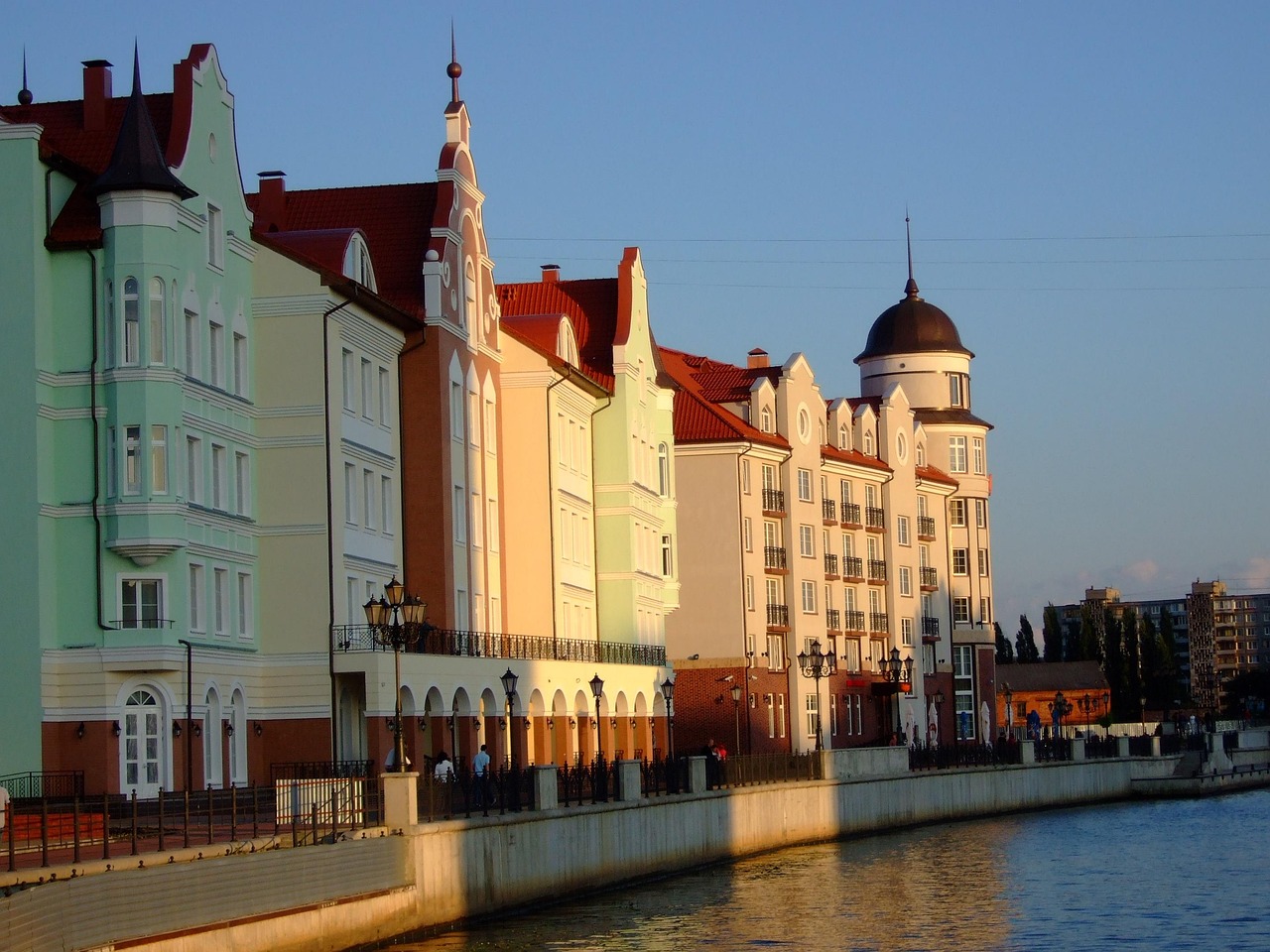
Kaliningrad is a Russian exclave on the Baltic Sea, combining a layered urban history with a river, a port, a modern city and coastal landscapes. The former Königsberg is not present in today’s cityscape as a fully preserved historic old town. This contrast is precisely what makes a visit complex: the past, reconstruction, everyday life today and the region’s landscape should be considered together.
 Das Rathhaus von Kaliningrad. Bis 1945 hieß die Stadt Königsberg. Die heutige russische Enklave ist angefüllt mit preußischer Geschichte.
Photo: guenter42 auf Pixabay
Das Rathhaus von Kaliningrad. Bis 1945 hieß die Stadt Königsberg. Die heutige russische Enklave ist angefüllt mit preußischer Geschichte.
Photo: guenter42 auf Pixabay
Its location between Poland, Lithuania and the Baltic Sea has a direct impact on travel planning. Entry requirements, border conditions, transport and access to specific areas can change. Before making concrete travel plans, check the latest guidance from the relevant authorities; the German Federal Foreign Office’s official collection is an important first source. The area’s historical and natural highlights can be compared with the topics of St. Petersburg and the Baltic States.
Quick facts: Kaliningrad
- Kaliningrad is an exclave, so it is not an ordinary Baltic Sea destination on an open domestic route.
- Kneiphof Island, the Pregolya River, city gates, museums and the port represent different historical and contemporary themes.
- The Curonian Spit is a natural destination and should be planned as a separate day trip.
- Entry requirements, border crossings and access to the region should be checked for the latest information shortly before travelling.
- Two to three days are enough for the city and its surroundings only with careful route planning.
- Spring and autumn are often good seasons for exploring the city on foot; summer brings more activity and demand along the coast.
Königsberg and present-day Kaliningrad
Königsberg’s history is a point of reference in many places, but the few surviving buildings tell only part of the story. The cathedral on Kneiphof Island, museums, city gates and areas along the Pregolya offer different perspectives. A visit is easier to understand when historical context, the destruction of the Second World War, post-war development and today’s cityscape are considered together.
For an initial orientation, take a leisurely walk focused on one historical theme, with a break by the water. Not all parts of the city are equally compact. If you want to visit several gates, museums and riverside areas, check distances and opening hours in advance. Older descriptions may not reflect the current condition of buildings or access routes.
The Pregolya, the port and city routes
The Pregolya shapes how Kaliningrad is experienced. Bridges, riverbanks and port areas reveal the city’s connection to the water, but they are not all equally accessible to visitors. The Port of Kaliningrad is an interesting subject, but should be visited only via routes currently permitted and in accordance with the latest guidance. Respect security areas, working zones and access restrictions.
A good day in the city can combine Kneiphof Island, a museum or a city gate with a walk along the river. In bad weather, opt for shorter stretches outdoors and spend more time indoors. Families and people with limited mobility should consider routes, cobblestones, stairs and places to sit in advance. Kaliningrad is more varied when not every stop is treated as a must-see.
The Curonian Spit and the Baltic coast
The Lithuanian Baltic region and the Curonian Spit offer landscapes very different from the city. Dunes, forest, lagoon and coast call for a dedicated block of time. If you are planning a day trip, check travel time, possible border or control points, weather, the return journey and seasonal access together. The natural environment is fragile; stick to marked trails and follow local conservation rules.
A day on the coast does not need to be packed with as many viewpoints as possible. A stretch along the lagoon, a walk through the dunes and a longer break can offer more than a hurried succession of stops. Conditions can change quickly in wind, rain or heat. Sun protection, water, weatherproof clothing and an offline way to find your return route should all be part of your preparations.
Routes and accommodation
Kaliningrad works well as a city break with a day devoted to the landscape. Combining it with other Baltic Sea destinations makes sense only if entry requirements and actual transport routes are clear. The information on Russia provides the broader context; Siberia and the Urals have very different travel conditions. Such comparisons help explain what makes the exclave’s location distinctive, but they do not replace checking current routes.
Choose accommodation to suit your main interests. A central location is convenient for Kneiphof Island, museums and evening walks. For an early excursion, being near a suitable transport route may matter more. Extra transfers can be particularly demanding on a short stay. Before booking, check the location, access, payment terms and whether it is reachable by your planned mode of transport.
Seasons and preparations
Summer is popular on the Baltic coast and can bring more visitors to the shore and the Curonian Spit. Spring and autumn are often good for city walks and historical sights, though wind and rain should be expected. In winter, short days, cold weather and possible restrictions on excursions become more important. Check the actual weather and regional access shortly before each major day trip.
Add your passport, entry and transit requirements, insurance, accommodation, payment options, and the latest safety and transport advice to your personal checklist before travelling. Local rules apply at historical and religious sites. Take particular care in areas around the port and when taking photographs. Changes to borders, transport routes or access can make an older itinerary unusable, so it is wise to have an alternative plan in the city.
Combining the city, the Pregolya and the Baltic coast
Start by planning Kaliningrad as a city break focused on both historical and contemporary sights. Group walks along the Pregolya, museums and central city areas by location, leaving enough time for context and breaks. Comparing the region with the Baltic States and St. Petersburg can help with regional orientation, but does not replace checking current travel conditions.
Plan the Curonian Spit or other coastal areas as a separate excursion. Distance, border and access rules, weather, daylight and the return journey can all significantly affect how much time you need. If a day in the countryside is not realistic, an alternative city itinerary is a good option. Visit historical sites and protected landscapes with respect for local rules.
Before booking, check the latest entry, transit and security situation using the relevant country information. Older descriptions of transport routes or border crossings do not guarantee that they will be available on your planned travel dates.
Kaliningrad FAQ
How much time should I allow?
Two to three days may be enough for a focused impression of the city and one additional natural highlight. Allow more time if transfers are long or access is difficult.
What makes Kaliningrad different from other Baltic Sea cities?
Its exclave location, the history of Königsberg, the city’s contemporary development and the proximity of the Pregolya, the Baltic Sea and the Curonian Spit all come together in a relatively small region.
What should I check before entering the region?
Immediately before travelling, check entry, transit and safety guidance, border crossings, transport routes, accommodation and access to excursion destinations with official sources.
Kaliningrad is easier to understand when the city’s history and the Baltic landscape are planned together. With up-to-date information, a realistic daily pace and respect for historical sites and protected areas, you can have a visit that goes beyond a series of photo opportunities.
When making your choices, also consider your time budget, distances, current transport routes and a realistic return journey.
