
Preparing for loss, an accident, or illness
In the event of loss, an accident, or sudden illness, having a clear plan of action can make all the difference. First, focus on your own safety and getting to a place where you can be reached easily; then arrange the help you need and provide the key details. If you have already organized contact information, copies, and booking details before you leave, you can focus on the next steps in a stressful situation instead of spending time searching for phone numbers or proof of identity.
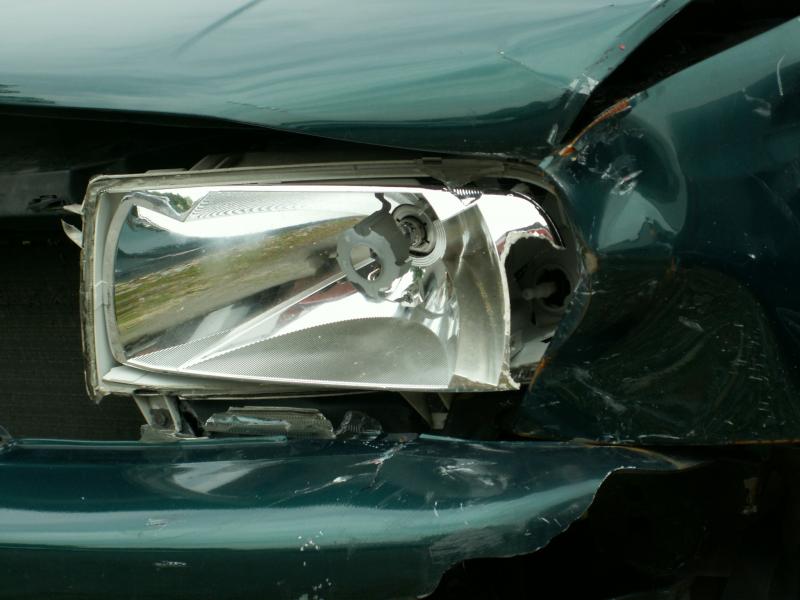 Nahaufnahme eines beschädigten Scheinwerfers an der Front eines Unfallfahrzeugs.
Photo: Voyagemedia - RRinnau
Quick facts: What to do in the event of loss, an accident, or illness
- If you are in immediate danger, first move to a safe, clearly visible place.
- Have your location, the time, a callback number, and a brief description of the problem ready.
- In the event of a serious accident or medical emergency, call the local emergency number.
- Quickly block lost cards and make a note of when and where you realized they were missing.
- Keep copies of important documents separate from the originals and your main luggage.
- Someone travelling with you should know your key contacts and meeting point.
Safety first, then the next steps
First, assess whether there is any immediate danger. Move away from traffic, leave any unsafe place, and find a clearly identifiable spot where there are people or responsible staff. In an accident, follow local instructions and do not try to handle a dangerous situation on your own. Briefly explain where you are, what happened, and what help you need, in that order.
In the European Union, 112 is the central emergency number for urgent situations. Outside the EU, the correct emergency number varies by country. Save it not only on your phone but also in a note you can access offline.
The basics of staying safe while travelling include having a meeting point, contact information, and a backup plan ready. For getting around cities, staying alert in city traffic and allowing plenty of time are also important precautions.
If cards or documents are lost
If your passport, ID, wallet, or phone is missing, pause first and think about when you last had it safely in your possession. Go over the places you visited and the bags you had with you; only search your luggage somewhere safe. Make a note of the time, place, and documents affected. If you have lost a payment card, use the provider’s official card-blocking contact and then check your recent account activity.
Your valuables and documents should be stored securely and a separate copy prepared before you leave. Your digitally secured travel documents can provide protected access to passport details, proof of insurance, bookings, and card-blocking contacts. Share only the information required, and do not pass on unprotected copies unnecessarily.
If you lose your passport or personal documents, contact the appropriate local authority and, if necessary, your country’s diplomatic mission. What replacement documents are available depends on the country and your individual circumstances.
What to do after an accident
After an accident, stay as calm as possible, get yourself away from further traffic, and call for help if anyone is injured or there is immediate danger. Give your exact location, a callback number where you can be reached, and the number of people affected. Do not move an injured person if they are in a safe place, unless there is immediate danger. Follow the instructions of local emergency responders or police.
After a road accident, vehicle details, the insurance policy number, license plate, and a brief factual note may be needed later. Take photos only if it is safe to do so, and avoid arguing about who was at fault at the scene. Before setting off, keep insurance details, your rental agreement, and the emergency contact handy for rental cars and local journeys.
If you become ill or feel unwell
If you feel unwell, be ready to clearly explain your location, symptoms, when they started, any allergies, and any medication you take regularly. Use the information you prepared in advance and seek medical help if the situation is urgent or getting worse. Do not change your treatment on your own just because you are travelling. If you have trouble communicating, short sentences and written information can help, as prepared for communicating in difficult situations.
If your phone or internet stops working, contacts saved offline and a note on paper are especially important. Keep medication and personal health information where you can access them quickly. For relatives who need to stay nearby during treatment lasting several days, accommodation search offers options by location and area. Before departure, organize your documents and contacts using your travel checklist and schedule.
Frequently asked questions
What should I say when calling emergency services?
Give your location as precisely as possible, explain the problem, state how many people are affected, and provide a number where you can be called back. Answer the dispatcher’s questions and do not end the call until they tell you to.
What should I do if I lose a payment card?
Use the official card-blocking contact right away, note the time the card was blocked, and check your other cards and documents against your offline list. Keep a second payment option separate.
What should I do after an accident in a rental car?
Get yourself to safety, call for help if needed, and then notify the rental company and insurer according to their instructions. Have your rental agreement, license plate, and contact details ready.
How can I prepare for getting sick while travelling?
Carry any medication you need, important health information, and the contact details of your healthcare provider securely. Seek local medical help if you have acute or severe symptoms.
