
Protecting valuables and documents while travelling
Passports, cash, cards, and phones are often needed at the same time while travelling, but they should not all be kept in one place. Distributing them sensibly makes it harder to lose everything at once and easier to find the right item quickly when going through a check or making a booking. The key is to follow a calm routine: keep valuables close to your body, store documents securely, and keep copies separate from the originals.
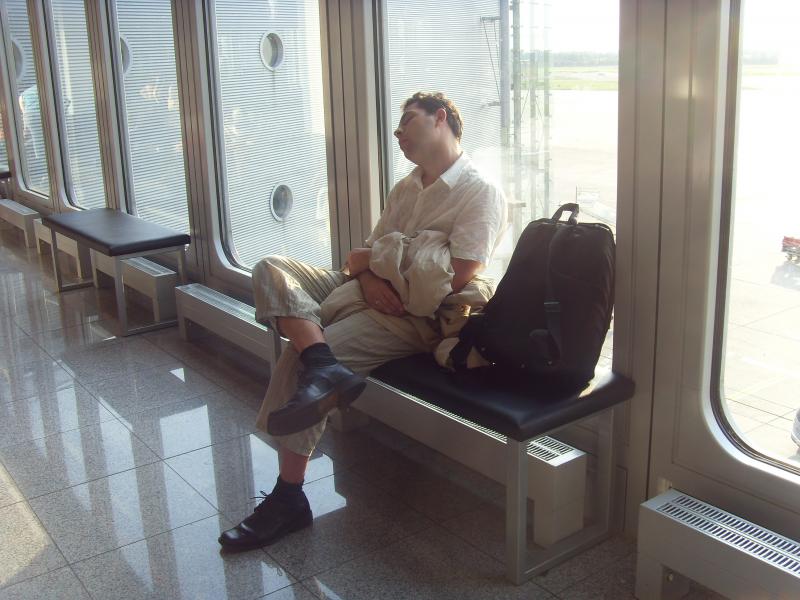 Reisender mit Rucksack auf einer Sitzbank im Flughafenterminal.
Photo: Markus
Reisender mit Rucksack auf einer Sitzbank im Flughafenterminal.
Photo: Markus
Quick facts: Protecting valuables and documents
- Keep originals, cash, and backup payment methods in separate, secure places.
- Carry important documents close to your body and never leave them unattended.
- Store copies and card-blocking contacts separately from the originals and your main phone.
- Check your bag, zippers, and the area where you have set things down before moving on.
- Show only the documents required at checks, then put them away immediately.
- If something is lost, act quickly to block cards, make a precise note of the loss, and contact someone who can be reached.
Distributing documents sensibly
Keep your passport or ID in a closed pocket close to your body unless you need it for a check or booking. You can keep a copy, an encrypted digital scan, or a well-protected photo separately. Preparing personal documents helps you check validity, required proof, and copies in good time.
Avoid carrying all your documents in a single wallet. Keep a backup card and a small amount of cash separately. Cards, cash, and a second payment option explains how to keep several payment methods apart. For longer trips, also check your provider’s card-blocking contacts and withdrawal terms.
Bags, rooms, and moving between places
A closed bag with a sturdy zipper is easier to keep under control in a crowd than an open outer pocket. Carry it in front of you when moving through crowded vehicles, markets, or entrance areas. Don’t leave your phone, wallet, or passport on tables, seats, or shelves, even if you only need to set them down briefly. The principles for staying safe while travelling can be put into practice as a simple everyday habit.
In your room, don’t leave original documents or larger sums of money lying around in plain sight. If a secure storage option is available, use it, and when you leave, check that you have all your important belongings with you. When moving on, the travel checklist is useful because it puts checks before departure, check-out, and transfers into a set order.
Copies, card-blocking contacts, and a record of the loss
Keep a copy or secure digital version of your passport, insurance, tickets, and important bookings. Digitally secured travel documents should not be saved as photos without filenames. Give the files clear names and store the relevant phone numbers in a separate note. Sensitive data should not be kept in an unprotected public cloud service or on a device that anyone can access.
If a card or document goes missing, immediately note the last place you know it was safe, the approximate time, and the relevant number. Block a payment card using your provider’s official contact details, and if a booking is lost, ask what to do next. Keeping track of expenses while travelling can help you spot suspicious charges more quickly.
When travelling in a group, make sure one other person knows where the copies, contact details, and shared reserve are kept. Reserves, contacts, and a plan B can help you prepare without keeping all the originals together.
Checks and confusing situations
At a check, take out only the documents you are asked for. Hold them ready with both hands, answer questions calmly, and put your passport or card away again immediately afterwards. In a queue or while boarding, don’t leave your bag unattended beside you. For transfers, transit and onward travel can be useful, as you may need several documents at different times.
Expect that you may need to show documents at short notice during a transfer, when buying a ticket, or at your accommodation. The information on local transfers and public transport helps you keep the necessary destination and booking details close at hand. A small, consistent system works better than constantly searching through several bags.
Before setting off, take a moment somewhere quiet to check what you need every day and what you are carrying only as a backup. This keeps your bag organised and helps you notice more quickly if something is missing. Store backup items separately, and don’t tell people unnecessarily where you keep your cash or original documents.
Frequently asked questions
Where should I carry my passport?
Keep it protected and close to your body in a closed bag or pocket. Take it out only for as long as needed at checks.
Why should I distribute my cash and cards?
That way, you will still have an independent way to pay if something is lost. Keep your backup card and reserve cash out of the same wallet.
Which copies should I keep?
Copies of your passport, insurance, tickets, bookings, and important card-blocking contacts. Store them separately from the originals and protect them from unauthorised access.
What should I do first if something is lost?
Note the last place you know it was safe and the time, block your cards, contact the relevant organisations, and use your available copies and backup contact.
