
Checking Massandra Wine: Warning Signs When Buying
The authenticity of a bottle offered as Massandra wine cannot be judged by its name alone. A traceable point of sale, complete information on the bottle and label, an undamaged seal, and a receipt are all important. Caution is especially advisable with historic brands and travel souvenirs: old guidebooks or personal memories are no substitute for checking the individual product.
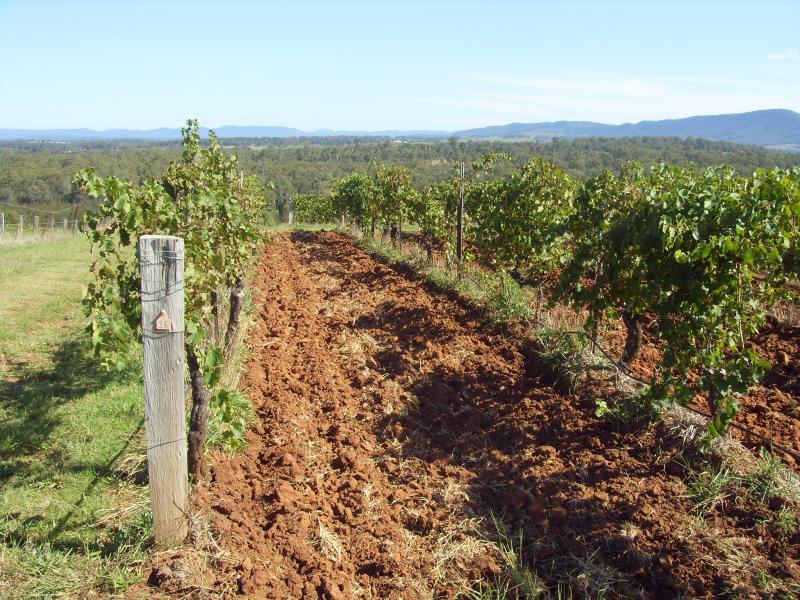 Reihen von Weinreben in einem Weinberg im Hunter Valley in Australien; Symbolfoto zum Thema Weinkauf.
Photo: Markus
Reihen von Weinreben in einem Weinberg im Hunter Valley in Australien; Symbolfoto zum Thema Weinkauf.
Photo: Markus
Quick facts: counterfeit Massandra wine
- A single bottle cannot be reliably assessed without proof of origin.
- A traceable seller, complete labeling, and a receipt are the most important initial checks.
- Unusually low prices, damaged seals, or unclear information are reasons not to buy.
- Historical information about Massandra and Crimea says nothing about current travel, trade, or security conditions.
- Rules in the destination country apply to carrying and importing goods; check the current requirements before you buy.
What “counterfeit Massandra wine” can mean
The term may refer to a bottle of unclear origin, one with counterfeit packaging, or a product whose details cannot be verified. But that does not mean that every bottle on offer can automatically be classified as counterfeit. If you cannot obtain verifiable proof, you should not buy the product or make claims about whether it is genuine or fake.
For an initial assessment, look at the entire offer: Is the point of sale appropriate for the product? Are the manufacturer’s details and label legible? Does the capsule appear intact, and will the seller issue a receipt? A photo of the front and back labels, as well as the receipt, can help you check the details again later. At markets, cafés, and in everyday food culture, it is sensible not to choose products under time pressure.
Take a calm, methodical approach when buying
A reliable purchase starts with a clear question about the product’s origin and the seller. If information is missing, the label is in a language you cannot understand, or the price does not seem to match the product, walking away is the more dependable choice. Visible damage to the seal, poor storage conditions, or an offer without a receipt are also reasons not to buy on impulse. These checks are no substitute for an expert assessment, but they reduce the risk of taking home a bottle with an unclear history.
The travel checklist and itinerary can help you avoid leaving receipts, photos, and necessary information until the day of departure. Before returning, also check entry requirements and documents and the guidance on customs, medication, and special documentation for your specific destination. Fixed quantities, duty-free allowances, or assurances about transport do not belong in general travel advice because they can change.
Check the label, bottle, and storage conditions
No single feature of a label is decisive on its own. The information should be consistent, legible, and appropriate for the bottle in front of you. Unclear stickers, covered-up information, or a product whose origin no one can explain should not be taken lightly. A seemingly high-quality design is not proof of authenticity either. If you have doubts, photograph the details and decide against buying rather than having to assess the bottle later without a sound basis.
Examine the bottle in good light. Leaking liquid, heavy soiling, a damaged seal, or obvious signs of improper storage may be reasons not to buy, regardless of origin. An unusual price is not proof of anything, but it is a reason to ask questions. What matters is a verifiable chain linking the product, seller, and receipt. If you already have a questionable bottle, do not alter its contents or labeling before checking the documentation.
If you want to give wine as a gift or take it with you, do not make the decision at a market stall while rushing between other errands. Calmly comparing the label, the seller’s information, and the receipt is a better safeguard than chasing an apparent bargain. The safe choice is a bottle whose origin can be explained—or not buying it at all.
Putting Massandra, Yalta, and Crimea in context
Massandra is associated with the winemaking tradition on Crimea’s southern coast. For historical and geographic context, see the articles on Crimea and Yalta. Sudak and Novy Svet are also part of the peninsula’s historic wine region. These pages about specific places do not guarantee current access, sightseeing opportunities, or shopping.
Current conditions matter more than old descriptions when making any travel decision. The German Federal Foreign Office provides travel and security advice for Ukraine. Check its guidance, as well as that of the relevant authorities in your destination and transit countries, before booking, travelling, and returning. If this information does not allow you to plan reliably, a wine tasting or purchase should not become a reason for travelling.
Keep receipts and do not downplay risks
If you buy a bottle legally and from a verifiable source, keep the receipt and, if relevant, photos of the labeling separate from your luggage. This makes it easier to answer questions during transport or at customs. If the origin, seller, or applicable rules remain unclear, it is better not to buy. A regional product is no substitute for safe travel plans that comply with the law.
Frequently asked questions
How can I identify a reputable place to buy Massandra wine?
A reputable seller can clearly identify the business, issues a receipt, and provides verifiable labeling. If these basics are missing, leave the bottle in the shop.
Is a label enough to prove authenticity?
No. A label alone proves neither origin nor the route by which the product entered the market. It is just one of several things to check, along with the point of sale, the condition of the bottle, and the receipt.
Can I bring wine from Crimea with me without any problems?
That depends on your route, transit arrangements, and the import and security rules in force at the time. Before buying, check the official requirements for your specific travel dates.
Is the image a photograph taken in Massandra?
No. It shows vineyards in the Hunter Valley in Australia; the image is explicitly a stock photo illustrating the topic of buying wine.
