
Sudak in Crimea: Fortress, Coast, and Landscape
Sudak lies on the coast of Crimea, bringing together the Black Sea, mountains, traces of history, and a wine-growing landscape. The town is best known for its Genoese fortress, which stands above the coast and offers sweeping views over the town and bay. Anyone making concrete travel plans for Crimea should carefully check the latest travel, safety, and legal information. For historical and tourism context, the fortress, coastline, and wine-growing landscape are the main points of interest.
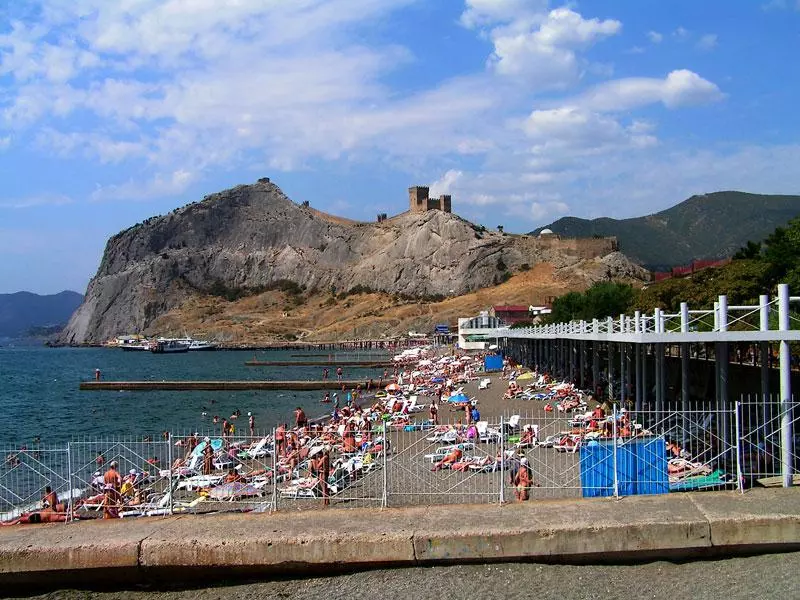 Sudak lieg am Fuße einer uralten Festung der Genueser. Hier war einer der wichtigen Standort der Händler aus Genua für den Handel im Schwarzen Meer
Photo: Ilya Kalachev
Sudak lieg am Fuße einer uralten Festung der Genueser. Hier war einer der wichtigen Standort der Händler aus Genua für den Handel im Schwarzen Meer
Photo: Ilya Kalachev
Sudak at a glance
- Sudak lies on Crimea’s southeastern coast, between the sea, mountains, and dry hillsides.
- The Genoese fortress is the town’s most important historical landmark.
- Plan time at the beach, around the old town, and for excursions according to the season and your own pace.
- For any specific trip, up-to-date safety, entry, and legal information is essential.
- Choose accommodation based on its location in relation to the coast, fortress, and onward travel plans.
The fortress is Sudak’s most prominent landmark. Its walls, towers, and hillside setting reflect the coast’s long-standing importance as a center of trade and defense. A visit is especially worthwhile for the views and the combination of landscape and history. Good shoes and time for the uphill walk are advisable, especially in hot weather.
Coast, sea, and surroundings
Sudak is often associated with beach holidays, coastal walks, and excursions to the surrounding area. Mountains and dry landscapes frame the bay. Elsewhere in the region are other Crimean destinations, such as Feodosia, Koktebel, and Simferopol, a transport hub.
Wine and landscape
The area around Sudak is also associated with winegrowing. For visitors, this is more a landscape and cultural feature than a single must-do activity. If you are interested in regional products, check current offerings, opening hours, and local legal requirements rather than relying on outdated information.
A particular focus for planning
Because of its location in Crimea, Sudak calls for especially careful checks of current information; historically, the fortress, coast, and wine-growing landscape remain central.
Route, duration, and expectations
A sound travel plan depends on clear stages, realistic journey times, and enough flexibility for changes. Travelers should first decide whether the town is intended as a brief stop, a stay in its own right, or part of a longer route. This affects accommodation, transport, season, and the choice of key sights. In Russia and Ukraine in particular, distances, current advisories, and local conditions can affect a trip much more than on a typical short break in Central Europe. In Sudak, the location of your accommodation should be considered in relation to your main daily journeys and realistic breaks.
Good planning leaves time to get your bearings once you arrive. This applies to walks, museums, viewpoints, waterfront areas, railway stations, changes in the weather, and breaks. If you try to fit too many stops into one day, you are unlikely to appreciate the character of places like these. It is better to choose a few well-considered stops that bring together the landscape, history, and contemporary life. This gives you a well-rounded impression without relying on outdated generalizations or an overloaded itinerary. In Sudak, departure points, transfers, and the return journey should therefore be planned around the specific day’s schedule.
What to keep in mind on site
Before making a specific trip, check current transport connections, safety advisories, opening hours, and local rules. Older travel accounts can be useful for atmosphere and background, but they are no substitute for checking current information. Depending on the region, the season, weather, language, payment options, and distances between individual places can all play an important role. If you plan to visit natural areas, pay particular attention to trails, protected areas, and return times. In Sudak, departure points, transfers, and the return journey should therefore be planned around the specific day’s schedule.
Links to nearby destinations are also useful for getting your bearings: overview pages provide the broader context, while pages about individual towns offer a more concrete sense of what a stay can involve. It makes sense to choose a thematically coherent route rather than simply arranging stops by name recognition. This makes the trip more relaxed, reliable, and easier for visitors to follow. In Sudak, the places mentioned should be weighed according to distance, time required, and your own pace of travel.
Sudak in context on the Crimean coast
Sudak is especially interesting for its combination of coastline, historic fortress, and dry, hilly landscape. It suits travelers who want to compare smaller coastal destinations as well as major cities on a trip around Crimea. Beaches, viewpoints, and excursions to neighboring towns together offer a varied picture of the peninsula’s southeastern side.
For further planning, see Crimea, Feodosia, and Koktebel. Before making a specific trip, check current safety conditions, transport, accommodation, beach access, and regional advisories. Sudak’s landscape and historical context remain useful regardless.
A stay between the coast and the fortress
Sudak is best suited to travelers who want to combine a coastal stay with history and scenery. The Genoese fortress is clearly visible above the bay and shapes the town’s character. Allow time for the walk, the slopes, and the views. Sturdy footwear is advisable in warm weather, as are water and sun protection.
The coast can offer very different experiences depending on the beach, the season, and current access. A day at the beach can be combined with a walk or a short excursion without filling the whole stay with long transfers. If you want to explore several places in Crimea, don’t underestimate the distances. Choose a single base only if the places you plan to visit remain within reach.
Wine-growing landscapes and excursions
The countryside around Sudak is characterized by dry hillsides, bays, and traces of history. The wine tradition is part of the region’s character, but this should not be taken as a blanket statement about every individual winery or facility. For excursions, check actual opening hours, how to get there, and whether a guided tour is available. Those interested in regional landscapes can combine Sudak with other coastal towns, provided they are currently accessible and fit the plan.
For nature and culture, you can also compare the regions of Crimea and their coastal towns. Not every route works as a short day trip; planning stages with realistic travel times helps prevent an overpacked itinerary.
Accommodation and travel planning
The right location depends on whether the fortress, beach, restaurants, or onward journey is your priority. For a specific search, you can browse accommodation in Sudak by location and type. Choose accommodation not just by price, but also by its access, distance, and fit with your daily plans.
Before making a specific trip, check current information on safety, entry, transport routes, and legal requirements using official sources. Older travel accounts can add historical or landscape context, but they are no substitute for checking current information.
Understanding the fortress, coast, and surroundings
Sudak combines its seaside setting with the Genoese fortress and a mountainous landscape. For historical context, Crimea and Ukraine provide the geographical framework. Feodosia and Koktebel offer different coastal and landscape impressions.
Plan your stay around the places you can realistically reach, allowing enough time for the fortress, coast, town walks, and a possible excursion. Simferopol is a separate city and transport destination. Odesa and Kyiv should likewise be considered as separate stages, not as spontaneous add-ons without checking current information.
Before any specific trip, check entry requirements and documents as well as guidance on staying safe while traveling, using current official information. The key source is the German Federal Foreign Office’s country information on Ukraine. Historical sources can explain the town, but they do not confirm current openings, transport services, or safe access.
FAQ about Sudak
What is Sudak particularly well suited for?
Combining the coast, fortress, landscape, and regional history.
How much time should you allow for the fortress?
At least half a day, allowing for the climb, walk around, views, and breaks.
Can Sudak serve as a base for exploring Crimea?
That depends on current access and the distances involved. Don’t plan several day trips without checking the transport routes.
