
Hotels in Gjirokastër: Stone City with Castle and Bazaar
Accommodation in Gjirokastër
Gjirokastër lies in the Drino Valley on the steep slopes of Mali i Gjerë in southern Albania. Stone houses and cobblestone streets shape the character of the city as a “Stone City”. At the same time, Gjirokastër lies along Albania’s main north–south transport axis.
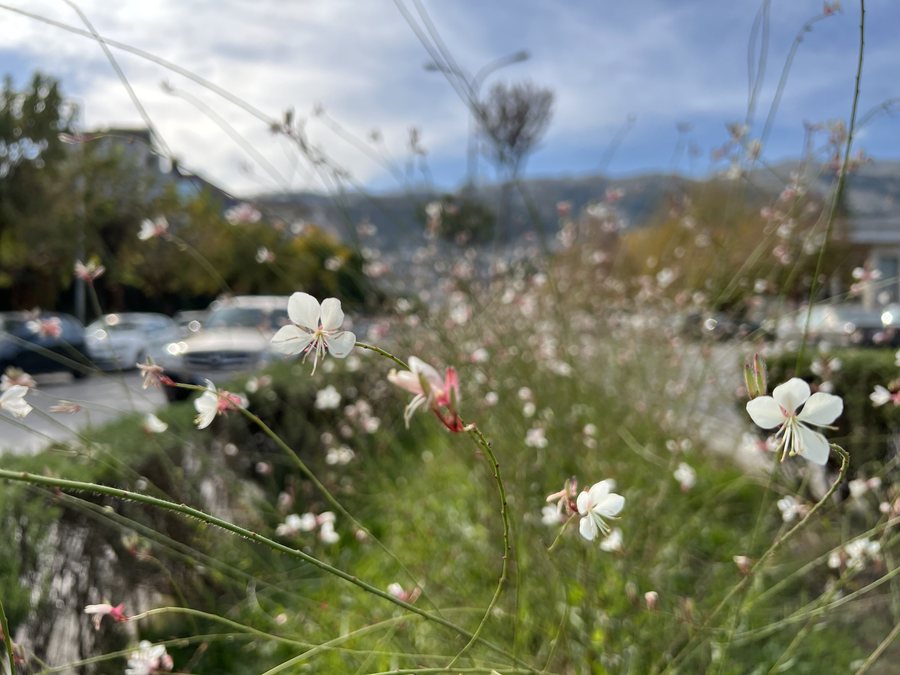 File:Gjirokastër, Albania November 2022 - Flowers.jpg
Photo: Sharon Hahn Darlin via Wikimedia Commons, CC BY 2.0
File:Gjirokastër, Albania November 2022 - Flowers.jpg
Photo: Sharon Hahn Darlin via Wikimedia Commons, CC BY 2.0
Culture and History
The historic centres of Berat and Gjirokastër are inscribed on the UNESCO World Heritage List as rare examples of an architectural character typical of the Ottoman period. In Gjirokastër, this history is particularly concentrated in the historic centre: a bazaar, an 18th-century mosque and two churches from the same period preserve important evidence of the city’s past.
At the heart of the city, Gjirokastër Castle stands on a hill above the Drino Valley; its history dates back to the 4th century. The complex houses a weapons museum as well as the ruins of a prison from the communist era. The weapons museum provides a broad overview of Albanian military history, with a focus on the Second World War and the period that followed. The castle is also a venue for artistic activities, including the National Folklore Festival.
Old Town and Crafts
With its cobblestone streets and medieval façades, Gjirokastër Bazaar forms the centre and heart of the Old Town. It is known for handmade woodwork, handwoven carpets and handicrafts. The historic building fabric includes the Bazaar Mosque, also known as the Memi Bey Mosque. It was built in 1727 and is one of the last three surviving mosques from the 18th century.
The Zekate House was built in 1812 and is considered one of the most outstanding examples of the Ottoman residential style in Gjirokastër. The Skënduli House, built in 1705, is a well-preserved example of the city’s architectural traditions. After being returned to its original owners, it was converted into a museum for visitors.
The Ismail Kadare House was built in 1799. It is the childhood home of the Albanian writer Ismail Kadare and was converted into a museum; the house contains original furniture and family photographs. The Ethnographic Museum presents the traditional life and culture of the Gjirokastër region through exhibitions featuring furniture, traditional costumes, tools and everyday objects. All four floors of the museum are open to the public.
Culture and Local Life
Babameto serves as a centre for culture and heritage and hosts cultural and tourist events. At the Babameto Centre, visitors can watch local artisans at work and buy handmade souvenirs. These are mainly made by women from the GjiroArt association.
Above the Dunavat district lies the Ali Pasha Bridge, the surviving stone bridge of an aqueduct.
Routes and Transport
In the historic centre, the tourist attractions are within walking distance. However, the routes are steep and cobblestoned. Public bus services connect the Old Town and the New Town of Gjirokastër; four bus routes operate in the city.
Local Cuisine
Qifqi is served in Gjirokastër and is considered one of the city’s most authentic traditional dishes. Another traditional speciality passed down through generations is a traditional dessert from Gjirokastër made with sheep’s milk, sugar and dried figs.
More Destinations
If you would like to explore destinations besides Gjirokastër, here is a concise selection: Goranxi, Sheper, Peshtan, Përmet.
For the overview of the higher-level destination: Gjirokastra County.

