
Vayots Dzor
Accommodation in Vayots Dzor
Vayots Dzor combines a long history of winemaking with canyons, hiking trails, monasteries and thermal springs. When looking for accommodation, your main interests can help narrow down your options: Would you primarily like to hike, explore cultural sites or discover Jermuk’s springs?
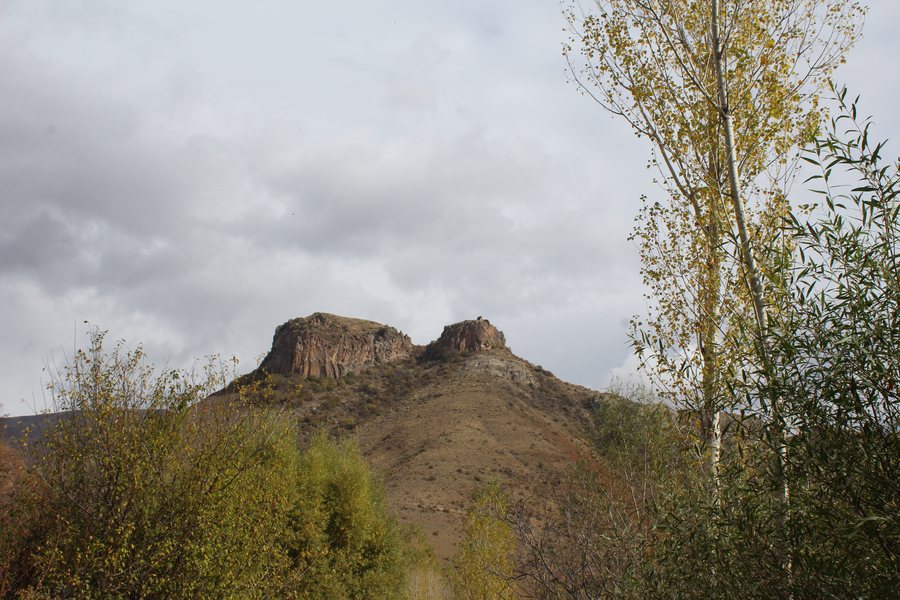
Vayots Dzor at a glance
- The region is about two hours from Yerevan by car or bus.
- Its landscapes include desert-brown mountains, deep canyons, rivers, waterfalls and vineyards.
- The region’s history is shaped by ancient Silk Road routes, which are also reflected in today’s hiking networks.
- A range of travel interests are represented, including wine culture, historic monasteries, nature experiences and Jermuk’s thermal springs.
What shapes the region’s landscape?
Vayots Dzor is characterized by rugged, desert-brown mountains, small lakes and narrow, deep canyons. In the region’s varied landscape, vineyards and grazing land alternate with rivers, waterfalls and rugged rocky cliffs. This diversity gives the region its distinctive character, without reducing all its landscape types to a single place.
The Arpa Protected Landscape is home to 885 plant species, 39 mammal species and 190 bird species. Forty-seven plant species are listed as endangered in the Armenian Red Book. Nature enthusiasts can enjoy safari experiences there with local rangers. The Bezoar Trail also has two observation points where herds of bezoar goats may be spotted.
Which trails and hikes can you plan?
Vayots Dzor’s hiking networks connect newly built trails with ancient Silk Road footpaths. One example is the Old Bandit Road between Gomk and Artavan. The trail was probably once part of the Silk Road and is included in the Transcaucasian Trail route through the province. The historical connection is presented cautiously: its link to the ancient trade route is described as probable.
To hike to Smbataberd Fortress, you can set out from the villages of Artabuynk or Yeghegis. The Gndevank Trail follows ancient footpaths through the Arpa River Canyon to Gndevank Monastery, which dates to the 10th century. The Martiros Waterfall Trail is a short, easy hike from Martiros village to a waterfall.
Jermuk also offers specific nature experiences. Jermuk Waterfall flows from the mountains into the Arpa River. The heart-shaped hot springs are in the forest about five kilometers outside the city. The walk there takes 40 to 60 minutes, and involves crossing several streams.
Which cultural and wine destinations give your trip its character?
Areni-1 Cave brings together history and winemaking. Its winemaking facility dates to around 4000 BCE and is considered the earliest known winery in the world. The facility includes fermentation vats, a wine press and wine storage vessels. The cave has three main chambers, extending more than 40 meters into the rock.
Noravank is a 13th-century monastic complex at the end of the Gnishik Canyon. The complex includes a mausoleum with the tombs of princes from the medieval Orbelian dynasty. Gndevank Monastery, dating to the 10th century, is near Jermuk. Those interested in the history of education and writing can also visit Spitakavor: in the 14th and 15th centuries, the monastery was known as a center of scriptorium activity.
In Jermuk, the Art Gallery, a branch of the National Gallery of Armenia, displays around 100 paintings and sculptures from 1920 to 1990. The Yeghegnadzor Geological Museum holds more than 12,000 artifacts excavated in Vayots Dzor and dating from the 10th to the 17th century. Traditional willow weaving is also practiced in the region, and visitors can learn basic weaving techniques.
Which regional highlights suit your accommodation search?
When comparing hotels in Vayots Dzor, first decide which experiences will shape your trip. Jermuk is known, among other things, for its thermal springs and gallery, while Areni is associated with early wine culture; hiking routes include the Old Bandit Road and trails to Smbataberd. The hot springs outside Jermuk require a 40-to-60-minute walk and several stream crossings—specific details you can take into account when planning your day.
To explore individual areas, visit the pages for Hermon, Jermuk, Vayk, Aghavnadzor, Chiva and Areni. For a regional comparison, you can also visit Aragatsotn and Shirak.
FAQ
How long does it take to get there from Yerevan?
Vayots Dzor is about two hours from Yerevan by car or bus.
How do you reach the hot springs near Jermuk?
The springs are in the forest about five kilometers outside the city. The walk takes 40 to 60 minutes and involves crossing several streams.
Can you spot bezoar goats on the Bezoar Trail?
Herds of bezoar goats may be spotted from two observation points.
For the main travel overview: Armenia.

