
Shirak: Monasteries, Museums, and Nature
Accommodation in Shirak
Shirak brings together early Christian and medieval sites, museums in Gyumri, a strong blacksmithing tradition, and nature experiences. The region’s places and themes offer concrete starting points for exploring.
Shirak at a glance
- Shirak has more than 2,500 officially recognized historical and cultural monuments.
- The Basilica of Yereruyk is an early Christian monument dating from the 4th to 5th centuries.
- Lake Arpi National Park was established in 2009 to protect biodiversity, wetlands, and habitats of rare bird species.
- Regional highlights include museums, monasteries, hiking trails, cycling and winter sports, and nature watching.
Which historical sites define Shirak?
Harichavank, in the village of Harich, is a monastic complex dating from the 7th to 13th centuries. It served as a royal summer residence, a renowned school, and a scriptorium. Marmashen also comprises several groups of buildings: the monastery stands on the banks of the Akhuryan and includes a Large and a Small Group. Inscriptions date the main church, Katoghike, to the period from 988 to 1029.
Near Sarnaghbyur is Hoghevank, also known as the Red Monastery or Dzoragyugh Monastery, about three kilometers northwest of the village, along the road to Maralik. The Church of St. Karapet was built in 1205. About 50 meters to its north, the lower courses of the walls of a single-nave church from the 5th century and a tetraconch church from the 7th century remain. Lmbatavank, 1.5 to 2 kilometers southwest of Artik, dates from the 6th to 7th centuries and preserves remains of interior frescoes.
Other traces connect architectural history with earlier routes and settlements. The 10th- to 11th-century Jrapi Caravanserai is associated with historic roads that linked the northern provinces and Georgia with Ani. A 10th- to 13th-century cemetery is also preserved around the Church of St. Hovhannes in the village of Zuygaghbyur; the church itself dates from the 17th to 18th centuries. The rock-cut shrine of Zagha lies in the northern part of Sarnaghbyur. Officially called Andzavajur and also known as the Hermitage of Saint Gregory the Illuminator, it is visited for prayer, vows, and spiritual retreat.
What museums and cultural experiences does the region offer?
In Gyumri, the Museum of National Architecture and Urban Life explores the city’s architectural and social heritage. It is housed in the historic mansion of the Dzitoghtsyan family, built in 1872 from red tuff, a stone characteristic of Shirak. The Gyumri History Museum holds more than 6,000 historical exhibits. In the Hovhannes Shiraz House-Museum, six rooms display the poet’s personal belongings, manuscripts, photographs, and gifts.
The Aslamazyan Sisters Museum exhibits paintings, graphic works, and ceramics donated by Mariam and Yeranuhi Aslamazyan. The Mher Mkrtchyan House-Museum, at 30 Rustaveli Street, houses stage costumes, film props, awards, and objects from well-known films. In Jajur, the Minas Avetisyan House-Museum displays the artist’s paintings, graphic works, and personal belongings, as well as the restored frescoes “Armenia” and “Bread Baking.”
Crafts and everyday culture are also part of the region’s character. Blacksmithing shapes the cultural identity of Shirak, especially Gyumri: residents preserve and make items including window grilles, fences, gates, doors, candlesticks, and chandeliers. The tradition has been inscribed on UNESCO’s Intangible Cultural Heritage list since 2023; check separately for specific workshops or demonstrations. The Panik Bread Museum is devoted to bread culture, traditional baking practices, and rural life. Its exhibits include types of bread, grains, agricultural tools, and historical artifacts. In Gyumri, you can watch and learn to make your own clay works with a local master potter; confirm the offering with a provider before your trip.
What nature and activity options are available?
Lake Arpi National Park protects wetlands and habitats of rare birds. More than 140 bird species have been recorded there, and it is also the only breeding site of the Dalmatian pelican in Armenia. Park authorities can provide updated information on biodiversity. Late spring and summer are especially suitable for birdwatching.
Numerous marked routes and trails cross Shirak, used by local people for centuries. Check current trail conditions before setting out on a particular hike. The Mantash Reservoir, at the foot of Aragats, lies at an elevation of 2,600 meters and holds more than 8 million cubic meters of drinking water. It is a popular stop for hikers on their way to or from Aragats.
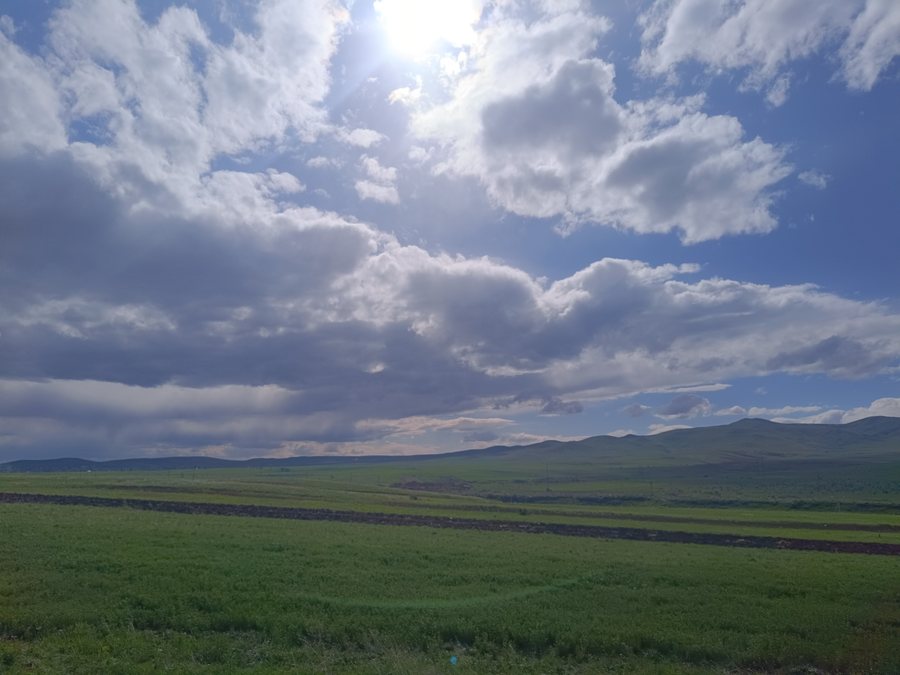
Different landscapes and seasons offer further experiences: the Azatan Reservoir is a popular spot for stand-up paddleboarding, and several adventure tour operators organize related experiences. The Akhuryan Gorge offers opportunities for picnics and for observing rare birds, butterflies, and local plant life; kayaking is also possible there. Confirm the availability of these activities with local providers in advance. The rolling wheat fields are suited to leisurely bike rides as well as more challenging rides, and local providers can organize tours. Winter activities in Shirak include snowkiting, snowshoeing, and cross-country skiing; snow conditions and offerings may vary.
How can you plan your trip to Shirak?
When looking for accommodation, it helps to decide what you want to focus on: museums in Gyumri, historical sites in villages, nature watching at Lake Arpi, or outdoor activities. Compare the locations of specific hotel listings with the places that matter to you. Gyumri Shirak International Airport serves as the region’s air gateway, handling domestic and international flights. Check flight schedules before you travel. For a closer look at subregions, the pages on Gyumri and Mayisyan offer further guidance.
Explore more destinations: Aragatsotn, Tavush, Syunik, Armavir, Lori, and Vayots Dzor.
FAQ
What is the UNESCO status of the Basilica of Yereruyk?
The basilica and its archaeological site were added to the UNESCO World Heritage Tentative List in 1995.
When is birdwatching at Lake Arpi especially rewarding?
Late spring and summer are especially suitable. More than 140 bird species have been recorded in the national park; it is also home to Armenia’s only breeding site of the Dalmatian pelican.
Which activities should you arrange in advance?
Arrange the pottery experience with a local provider. Also confirm the availability of stand-up paddleboarding, kayaking, and cycling tours; snow conditions and offerings for winter activities may vary.
For the broader travel overview: Armenia.

