
Homel Region: Nature, Culture and History
Accommodation in Homel Region
The Homel Region offers different ways to plan a trip: a tourist route through almost the entire region, protected nature, museums and historical sites. When looking for a hotel, consider whether you would like to focus mainly on landscapes, regional culture or history.
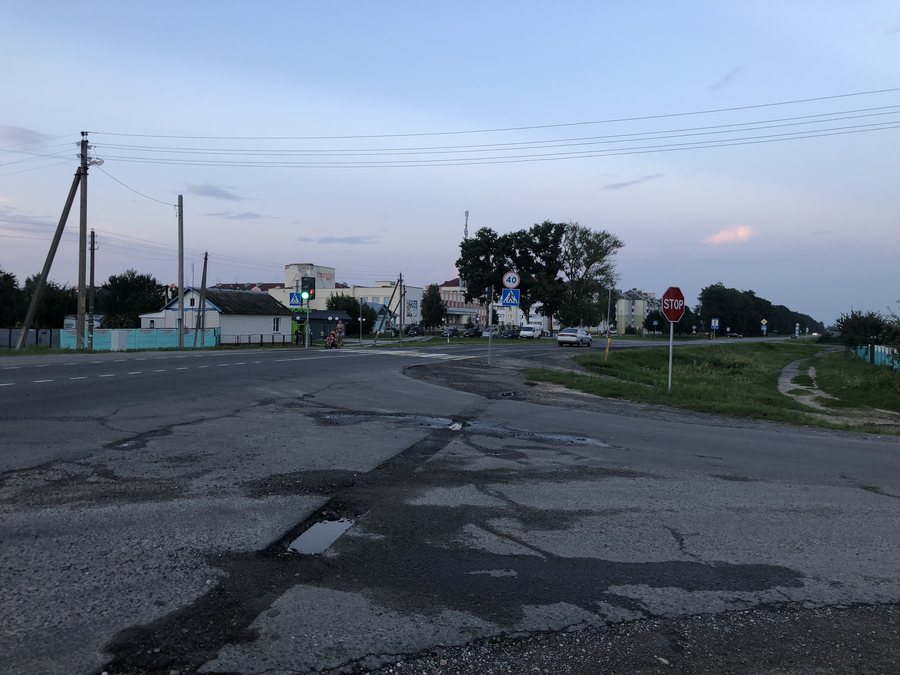
Homel Region at a glance
The tourist route “Golden Ring of the Homel Region” runs in a loop through almost the entire region and includes, among other things, a visit to a prehistoric human settlement site. Pripyatsky National Park encompasses a specially protected natural area of 88,048.6 hectares. Another place with a special geographical status is the Polesye State Radioecological Reserve: it lies within Belarus’s exclusion zone in the south of the Homel Region.
What nature experiences define the region?
Pripyatsky National Park is a specific option to consider if you want to include nature in your travel plans. Excursions are offered there to the Natural History Museum, the open-air museum and the “Natural History Museum” demonstration area (safari park). These three destinations offer different ways to explore nature: a museum, an open-air museum and a demonstration area referred to as a safari park.
The Polesye State Radioecological Reserve is a separate area and should be distinguished from the national park. Its location in Belarus’s exclusion zone in the south of the region is an essential part of its geographical context. When planning your trip, it is therefore worth keeping these different nature destinations distinct: the excursions described are for Pripyatsky National Park, while the reserve is characterized by its location in the exclusion zone.
What museums and historical sites can you discover?
In Gomel, the palace and park ensemble is considered a highlight for visitors to the region. The Gomel branch of the Vetka Museum is housed in a historic manor within the ensemble. Its collections include Old Believer icons, handwritten and printed books, as well as the largest regional collection of textiles, featuring rushnyks, items of traditional dress and other textiles. The permanent exhibitions focus on the artistic culture and creative work of the Orthodox Belarusian village, the Old Believer town of Vetka, and other regional folk traditions.
The “Mozyr Castle” Historical Centre offers a different perspective on regional history. The entire landscape zone and its architectural and spatial development form the museum exhibition. The grounds also include a pavilion-chapel dedicated to the Transfiguration of the Lord, built on the site of the archaeologically discovered foundations of the old Church of the Saviour. The permanent exhibitions cover weapons, hunting and administration. The “Paleskaja Veda” Museum of Folk Culture of the Mozyr Region focuses on local traditions, customs, rituals and beliefs.
Turau, in turn, offers its own historical focus. The Church of All Saints is more than 200 years old and is the only surviving wooden church among the many wooden churches that once adorned Turau. The Cathedral of Saints Cyril, Lawrence and Martin of Turau stands in the city centre. The medieval fortified settlement site is also part of the historic area: the remains of the old capital rise above a picturesque oxbow lake. The local history museum complements this impression of the city with archaeological and ethnographic exhibits on the history of the Turau region.
Which travel interests can you combine?
If you are interested in regional art and everyday culture, the Vetka Museum’s collections and the themes of “Paleskaja Veda” offer different perspectives: icons, books and textiles in one, local customs, rituals and beliefs in the other. The palace and park ensemble in Gomel, the museum exhibition at “Mozyr Castle” and the historical remains in Turau offer opportunities to explore history and historic townscapes. You can therefore choose destinations based on the themes that interest you most, rather than treating these places as interchangeable attractions.
Events are also part of the cultural offering: the Gomel branch of the Vetka Museum hosts temporary exhibitions, themed events and master classes. The appearance of the miraculous icon of the Mother of God and the construction of a church complex are associated with the history of the Nativity of the Mother of God Monastery for Men in Yurovichi. An annual procession from Mozyr to Yurovichi in her honour, with solemn services, is planned for the Feast of the Praise of the Mother of God.
Which districts would you like to explore further?
To help you find your way around the Homel Region, further pages are available for Kalinkavichy District, Žytkavicki rajon, Gomel, Rahatschou, Buda-Kašaliova, Schlobin, Ogorodniki, Borets, Masyr, Svetlahorsk District, Loyew, Turau, Baraviki, Studzionaja Huta and Rečyca.
FAQ
What does the Golden Ring of the Homel Region include?
The tourist route runs in a loop through almost the entire Homel Region. Among its stops is a visit to a prehistoric human settlement site.
What do the Vetka Museum’s collections feature?
They include Old Believer icons, handwritten and printed books, and regional textiles, including rushnyks and items of traditional dress. The permanent exhibitions also explore folk traditions from the region.
What makes Turau interesting to those interested in cultural history?
The sites described include the more than 200-year-old Church of All Saints, the cathedral in the city centre and the medieval fortified settlement site. The local history museum displays archaeological and ethnographic exhibits on the history of the Turau region.
For an overview of the wider destination: Belarus.

