
Trebinje: Hotels, Culture and Cycling Routes
Accommodation in Trebinje
Trebinje combines culture, landscapes and routes into a destination with clearly defined, distinct areas of focus. Religious complexes, Ottoman architectural history, the Trebišnjica River, historic transport routes and cultural events exist side by side here. The city also offers a clearly recognizable variety of themes for visitors looking for specific places rather than general promises.
 File:Monasterio Hercegovacka Gracanica, Trebinje, Bosnia y Herzegovina, 2014-04-14, DD 14-16 HDR.jpg
Photo: Diego Delso via Source, CC BY-SA 3.0
File:Monasterio Hercegovacka Gracanica, Trebinje, Bosnia y Herzegovina, 2014-04-14, DD 14-16 HDR.jpg
Photo: Diego Delso via Source, CC BY-SA 3.0
Culture and History
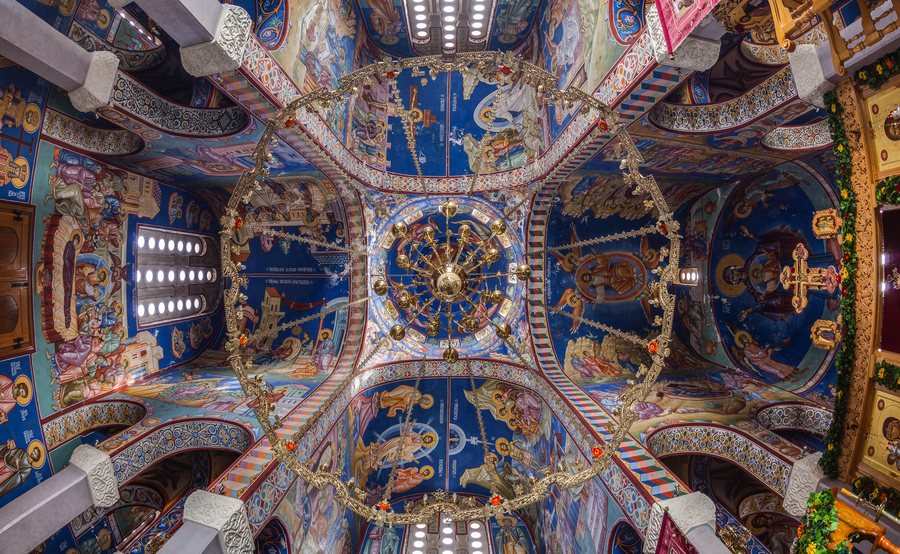
Trebinje’s cultural character is particularly evident at Hercegovačka Gračanica. The church was built to fulfill the wish expressed in the will of Jovan Dučić; the entire complex was completed in 2000. In addition to the church, the complex includes a bell tower, a bishop’s palace, an amphitheater, a souvenir shop and the summer restaurant “Dučićev pogled”. Hercegovačka Gračanica is 2.6 km from the center of Trebinje and can be reached on foot.
The Perović (Arslanagić) Bridge also leads into a clearly identifiable historical era: it is a monument from the Ottoman period in Trebinje. Mehmed Pasha Sokolović had it built in 1574; it holds an important place in 16th-century Balkan architecture. The Perović (Arslanagić) Bridge is 1.2 km from the center of Trebinje and can be reached on foot.
West of the city lies Tvrdoš Monastery, 5 km from Trebinje on the right bank of the Trebišnjica River. It was built on the foundations of a 4th-century church and is considered one of the oldest cultural and historical monuments in Republika Srpska. This means that buildings with different historical associations and distinct locations stand side by side in and near Trebinje.
Landscape and Cycling Routes
The Trebišnjica is a 98 km-long sinking river and was once the largest in Europe. The river is therefore one of the city’s prominent landscape features, without its significance being limited to a single attraction.
When mountain biking around Trebinje, the routes run along Austro-Hungarian roads and to the ancient sites of Strač, Golo Brdo and Petrina. In addition, through the project to revitalize the former narrow-gauge Ćiro railway line, Trebinje has become part of a regional network of cycling routes. The Skywalk viewpoint also offers panoramic views of Trebinje and the surrounding area.
Wine, Events and Orientation
The Herzegovina Wine Route passes through Trebinje, complementing the historical and landscape themes with a regional route bearing its own name. The Museum of Herzegovina occasionally hosts exhibitions, poetry readings, book presentations and music concerts. The program therefore encompasses various cultural formats, from exhibitions to musical events.
The Trebinje Tourist Information Center offers city maps, souvenirs and local handicraft products. Visitors can also hire a licensed tour guide there. In the heart of Trebinje lies Ljetna bašta Platani; under the natural shade of 16 large plane trees, it offers more than 500 seats.

