
Discover Dve Mogili: Nature and Culture
Accommodation in Dve Mogili
Dve Mogili brings together several different themes for travellers interested in nature and history: Orlova Chuka Cave, Ajazmoto Forest Park, archaeological remains and regional traditions. The distance information for the cave and the railway line provide initial guidance when looking for a suitable place to stay.
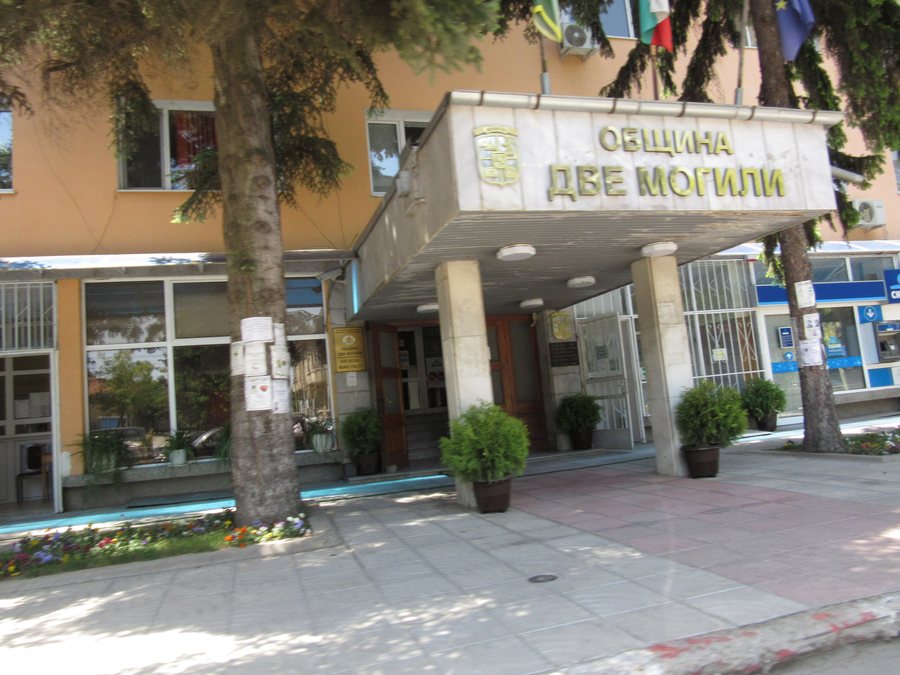
Dve Mogili at a glance
- Orlova Chuka lies in the rocky gorge of the Cherni Lom River, 11 km east of Dve Mogili and 3 km north of Pepelina.
- The cave has more than 13,500 metres of passages and is Bulgaria’s second-longest cave after Duchlata.
- Ajazmoto Forest Park covers 3,483 decares of woodland in Karan Varbovka.
- The administrative centre of Dve Mogili is on the Ruse–Gorna Oryahovitsa railway line.
- The “Living Water” Folklore Festival takes place every year in June in the area around the Sweta Marina Monastery.
What nature and history are there to explore?
Orlova Chuka combines a considerable cave-system length with particular importance for nature conservation: around 10,000 bats of various species live in the cave, and they are all protected. Since 1978, Orlova Chuka has also been designated an archaeological monument of national cultural and historical significance. Orlova Chuka therefore offers a point of interest for those interested in natural and cultural history.
Another natural highlight is Ajazmoto Forest Park in Karan Varbovka. Its woodland makes it a distinctive theme for a trip that combines nature and culture. The Ajazmoto spring is also in Karan Varbovka. It is considered to have healing properties and attracts hundreds of tourists from all over Bulgaria every year.
What do the historical sites tell us?
The Shirokovsko Kale archaeological site lies on the edge of the village of the same name, on a naturally protected rocky spur. The Baniski Lom and Cherni Lom rivers meet there. Archaeological investigations uncovered a metallurgical workshop that operated from the late 6th to the early 7th century. Tourists visit the excavations, which attract considerable interest. Shirokovsko Kale offers a different historical perspective from Orlova Chuka Cave: the focus here is on archaeological traces of a workshop and the site’s location.
The Sweta Marina Monastery near Karan Varbovka is also part of the municipality’s history. It is one of the older Bulgarian monasteries founded during the Second Bulgarian Empire (1187–1396). The monastery church was built in 1890. History and the present also meet at the “Living Water” Folklore Festival, which takes place every year in June in the area around the monastery. Filip Totyu is buried in the courtyard of a church in Dve Mogili.
Which events and local connections are important?
In addition to the June festival, Kacelovo hosts the Harts Gathering in August. It takes place on the occasion of the Feast of the Dormition of the Mother of God and is a family gathering of the Harts ethnographic group. The two events offer different cultural points of reference for planning a trip: a folklore festival in the area around the monastery and a gathering in Kacelovo. If you are planning a trip around a specific event, it is worth taking the relevant month into account when choosing your travel dates.
The specific location information for the cave helps distinguish between place names: Orlova Chuka lies east of Dve Mogili and north of Pepelina. Mogilino is also among the municipality’s place pages. The administrative centre is on the Ruse–Gorna Oryahovitsa railway line; this describes the line’s route, not timetables or train connections. More place pages: Ivanovo, Borovo Municipality, Ruse.
FAQ
How long is Orlova Chuka Cave?
Orlova Chuka has more than 13,500 metres of passages and is Bulgaria’s second-longest cave after Duchlata.
When does the “Living Water” Folklore Festival take place?
It takes place every year in June in the area around the Sweta Marina Monastery.
Which railway line runs through Dve Mogili?
The administrative centre of Dve Mogili is on the Ruse–Gorna Oryahovitsa railway line.
Go to the main travel overview: Ruse Province.

