
Rudozem: River Valleys, History and Cultural Heritage
Accommodation in Rudozem
River valleys, an ancient caravan route and cultural sites shape Rudozem. The rivers’ location and the road connections also give you practical guidance for planning your trip.
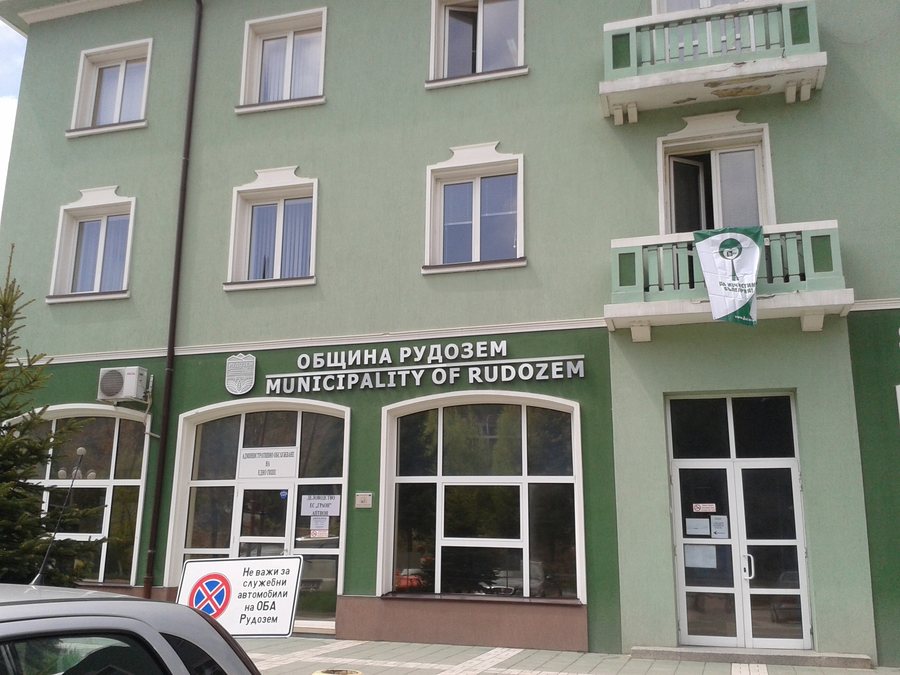
Rudozem at a glance
- Rudozem Municipality lies in the Rila-Rhodope Massif and includes the southeasternmost parts of the Western Rhodopes along the valleys of the Arda, Chepinska and Elhovska rivers.
- The three rivers flow through the municipality and meet in the centre of the town of Rudozem.
- Connections between the municipality’s settlements, to other municipalities and to the interior of the country are exclusively by road.
- In ancient times, a caravan route ran through Rudozem, connecting Thrace with the Aegean Plain.
How do the rivers and location shape Rudozem?
For geographical orientation, it is useful to distinguish between the municipality and the town: the municipality stretches along the valleys of the Arda, Chepinska and Elhovska rivers. The point where these three rivers meet, however, is in a specific location: the centre of the town of Rudozem. This brings together a broad sense of the landscape and a clearly defined reference point in the town.
The mountainous location is also part of the area’s profile. The municipality includes the southeasternmost parts of the Western Rhodopes in the Rila-Rhodope Massif. If you choose Rudozem for your trip, you can use the river valleys and the described mountain landscape as points of reference, while keeping the municipality’s wider boundaries distinct from the town centre.
Roads are another clear point of reference for planning your travel: connections between settlements, as well as from the municipality to other municipalities and the interior of the country, are by road. Take this into account when planning where to stay and which destinations to visit.
What historical traces can you find in Rudozem?
In ancient times, a caravan route ran through Rudozem across the Rhodopes, connecting Thrace with the Aegean Plain. This historical connection adds another dimension to the area’s story beyond its rivers and valleys: it links Rudozem to a route between two wider landscapes. The ancient route and today’s road connections belong to different periods.
The registered sites also offer a glimpse into the municipality’s history across the ages. A total of 20 sites of various kinds, dating from pre-Roman, Roman, Late Antique and medieval times, have been discovered and registered.
Which cultural sites and structures stand out?
The mosque in the village of Chepintsi has two minarets, each 35 metres high. The area’s cultural heritage also includes 350 volumes of handwritten literature and the so-called “Golden Quran”. It is described as Bulgaria’s oldest Quran and is dated to more than 600 years ago. The architecture and manuscript collection reflect two different aspects of the area.
An ancient temple stands above the summit of Tzigansko Gradishte and can be reached via the “Tzigansko Gradishte–Sudilishteto” eco-trail. The temple and its named eco-trail offer a distinct historical point of interest.
Another cultural and historical stop is the Church of “Sveti Todor” above the village of Ravninata. It is single-naved and late medieval, and its state of preservation is described as varying. Together with the temple at Tzigansko Gradishte and finds from several periods, it contributes to the diverse picture of cultural heritage in the municipality.
What else does the wider destination of Smolyan Province offer?
The wider destination of Smolyan Province offers other landscape and holiday experiences. Near Trigrad, the Chair Lakes protected area has seven lakes formed by landslides. The Trigrad Gorge is also a protected area; its caves include the Devil’s Throat and Haramiya Cave. In Devin, the mineral springs have water temperatures ranging from 16 to 76 °C. Devin is also known as a spa town with modern hotels and luxury spa centres. These examples show the variety of experiences across Smolyan Province and are distinct from Rudozem’s own profile.
What should you consider when choosing accommodation?
When searching, it helps to start with the focus of your trip: if Rudozem itself is your main destination, the municipality’s river valleys, historical connections and cultural sites can guide your plans. If you also want to consider other experiences across the wider destination of Smolyan Province, such as lakes, caves or spa facilities in Devin, compare those regional interests with your planned stay. Since connections to and within the municipality are by road, factor in the exact location of your accommodation and your planned routes.
Discover more destinations: Chepelare, Dospat, Nedelino, Borino, Banite, Zlatograd and Madan.
FAQ
Which rivers meet in Rudozem?
The Arda, Chepinska and Elhovska rivers flow through Rudozem Municipality and meet in the centre of the town of Rudozem.
What is notable about the mosque in Chepintsi?
It has two minarets, each 35 metres high, and preserves 350 volumes of handwritten literature as well as the so-called “Golden Quran”.
How are connections from Rudozem Municipality made?
Connections between settlements, to other municipalities and to the interior of the country are exclusively by road.
Go to the wider travel overview: Smolyan Province.

