
Municipality of Župa Dubrovačka: Beaches, Hiking Trails and Cultural Heritage
Accommodation in Municipality of Župa Dubrovačka
Župa dubrovačka offers a range of highlights for your stay: beaches, an extensive network of hiking trails and historic sites. Which of these appeals to you most can help determine your choice of hotel in the Municipality of Župa Dubrovačka.
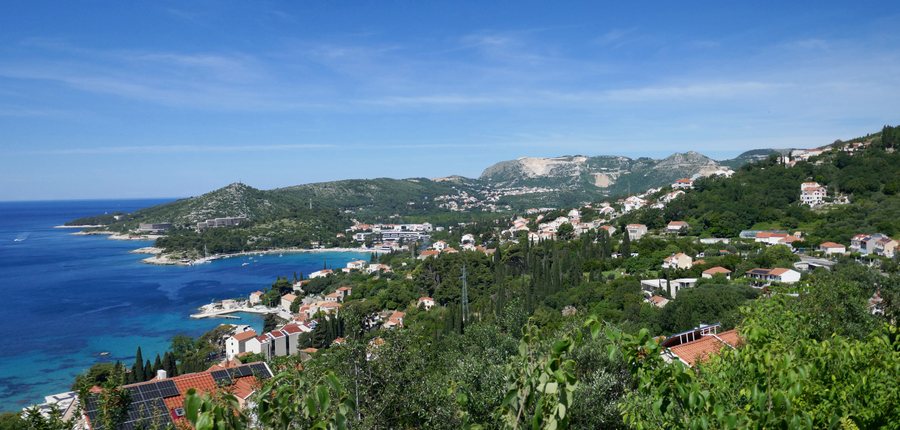
Key facts about the Municipality of Župa Dubrovačka
- There are 22 designated beaches for sunbathing and swimming.
- “Walking Paths of Župa dubrovačka” comprises 50 kilometres of themed hiking trails across the entire municipality.
- Kupari is the oldest tourist resort in Župa; the first hotel there was built in 1920.
What beach and coastal experiences define the municipality?
The 22 beaches make swimming and sunbathing a central focus for travellers seeking a stay by the water. In Mlini, gently sloping pebble beaches, sheltered coves, flower gardens and promenades are part of the local landscape. Another distinctive beach setting is Duboka Ljuta: the bay lies in the northeastern part of Župa Bay and has a pebble beach. When comparing the two, Mlini stands out for its promenades and flower gardens, while Duboka Ljuta is known for its pebble beach.
The history of tourism is also part of the area’s identity. Kupari is considered the oldest tourist resort in Župa; its first hotel was built there in 1920. This marks a historic beginning, not the accommodation available today. If you are looking for a hotel, therefore, match your interests with a look at the specific location of each property.
How can you explore the region on foot?
The 50-kilometre “Walking Paths of Župa dubrovačka” network is a collection of themed hiking trails that runs throughout the municipality. It offers a different way to experience the region from a stay focused primarily on beaches. The Connecting Route links Župa dubrovačka with the Croatian Long Distance Trail towards Srđ above Dubrovnik and with the Heart of Konavle Trail. Župa is therefore also part of a wider network of hiking trails; the connections described identify the respective route partners.
For a cultural and historical perspective on Mlini, join the guided “Hidden Stories of Mlini” walk. It visits the ruins of the Bettera summer house and explores the cultural and regional history of Mlini and Župa dubrovačka. If you are interested in both outdoor activities and local history, consider making this walk a focus of a separate outing.
Which historical traces and cultural sites are worth exploring?
Historically, Mlini was a centre of milling; one of the former mills remains well preserved today. The church of Sv. Ilara also has a long history in the area: it is mentioned in the Dubrovnik Statute of 1272 and was rebuilt in the Baroque style in 1683. On Trapita Hill stands the church of Sv. Petra, built in the 16th century, with views over Župa Bay. Above Plat lies the medieval votive chapel of Sv. Ivana, first mentioned in 1366. In Soline, the church of Sv. Nikole has a Gothic phase dating from the 14th and 15th centuries, as well as an extension from the 18th century.
Archaeological finds add to this picture. Spiona, the oldest archaeological site in Plat, preserves traces of the Illyrians and Romans. Amphorae, urns and Roman emperors’ coins have been found in Srebreno; they attest to the area’s historical continuity. Goričina, between Kupari and Srebreno, was once a settlement and a port. Fragments of Roman amphorae, pottery and coins found there also point to earlier settlement.
The living cultural heritage includes the work of KUD Marko Marojica and the Župa dances. The association preserves cultural heritage, performs folk dances in traditional Župa costumes and has been dedicated to this work since 1976. The Puntižela Open Air Rock Festival is also held in Striježice Park. An olive oil tasting at OPG Kristović took place as part of the Župski pjat programme.
What other activities are available?
Buggy tours are recommended as an adventure activity in the rural part of Župa dubrovačka. The zipline is 175 metres high and offers a view of Dubrovnik’s Old Town. These options offer a different focus from beaches, hiking trails or historic sites.
For more information about the local area, see the pages for Petrača, Brašina, Brgat, Kupari, Čibača, Buići, Plat, Srebreno, Čelopeci, Mlini and Soline.
FAQ
How long is the hiking trail network in Župa dubrovačka?
“Walking Paths of Župa dubrovačka” is a 50-kilometre network of themed hiking trails across the entire municipality.
How many beaches are there in Župa dubrovačka?
There are 22 beaches in Župa dubrovačka for sunbathing and swimming.
What is the historical significance of Kupari?
Kupari is the oldest tourist resort in Župa. The first hotel there was built in 1920.
What cultural history does the “Hidden Stories of Mlini” walk explore?
The guided walk visits the ruins of the Bettera summer house and explores the cultural and regional history of Mlini and Župa dubrovačka.
For the overview of the wider region: Dubrovnik-Neretva County.

