
Municipality of Malinska-Dubašnica: Coastal Paths and Cultural Heritage
Accommodation in Municipality of Malinska-Dubašnica
Coastal promenades, hiking and cycling routes, and historic chapels give the Municipality of Malinska-Dubašnica a varied character. If you are looking for a hotel, you can start by considering whether your trip is more about trails and scenery or culture and history.
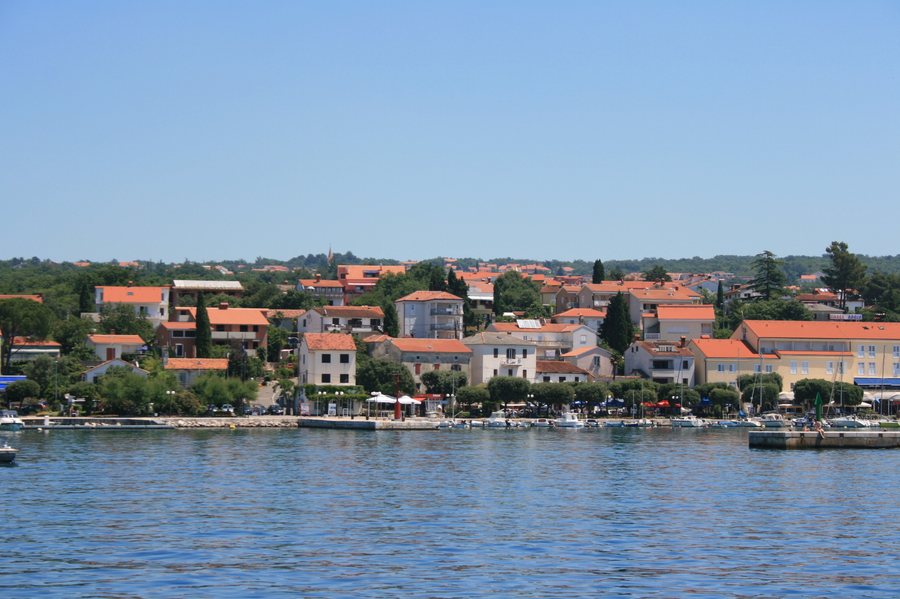 File:Općina Malinska-dubašnica, Croatia - panoramio - Arek N..jpg
Photo: Arek N. via Wikimedia Commons, CC BY-SA 3.0
Key facts about the Municipality of Malinska-Dubašnica
- The local network of hiking and walking trails covers 50 kilometres.
- H114 – Cesta maslina is a 3-kilometre circular hiking trail starting in Porat.
- B413 – Srce Dubašnice is an 18-kilometre mountain biking loop with an elevation gain of 240 metres; it starts and ends in Porat.
- The beaches in the municipality are connected by several promenades.
Which trails suit your travel plans?
The route selection offers different activities and specified distances. H114 – Cesta maslina is a circular hiking trail that starts in Porat and is 3 kilometres long. The B413 – Srce Dubašnice mountain biking loop also starts in Porat, returns there, and covers 18 kilometres with an elevation gain of 240 metres. The distance and elevation figures give you concrete points of comparison when planning routes according to activity and length.
The scenery is also part of the cycling routes described: they lead from the coast through centuries-old oak forests and olive groves inland. The Mihojski puti hiking trail brings together history, natural landscapes and the cultural heritage of the island of Krk. Together with the 50 kilometres of hiking and walking trails, this offers a broad range of route interests, with trails that each have their own character.
Where can you encounter history and cultural heritage?
The Old Cemetery of Saint Apollinar marks the site of Dubašnica’s original parish church. Its bell tower was built in 1618 and remains a symbol of Dubašnica. The Chapel of Saint Andrew is the oldest surviving chapel in Dubašnica. Originally Romanesque, it dates from the 13th or 14th century. In Strilčići stands the Chapel of Saint Nicholas, built in the 14th or 15th century. Remains of wall paintings have been preserved on its south wall and on the walls of the sanctuary.
The Franciscan Third Order Monastery is located in Porat. The present layout of its outdoor area, with a cloister and central well, dates from the 17th century. The monastery courtyard houses a lapidarium of Croatian Glagolitic stone monuments: the Baška, Senj and Valun tablets, the Grdoselo fragment and the Krk inscription.
The House of Dubašnica Heritage is an old rural residence built around the mid-19th century for two families. Another archaeological site is the Late Antique sacred complex of Cickini, built in the 5th or 6th century. In Sv. Vid-Miholjice, the Cickini permanent archaeological collection displays fragments of stone liturgical furnishings and decorated architectural sculptures.
Maritime heritage is also part of local history: the DUBoak centre is located on the Malinska waterfront, at a historic site from which ships carrying wood set sail for Venice and nearby Rijeka.
What characterises the coast and local tradition?
Several promenades connect the beaches in the municipality. These coastal paths offer a different focus from routes through the oak forests and olive groves inland. When planning your trip, you can first decide whether to focus your stay more on the coast, hiking and cycling trails, or cultural sites.
A long-standing tradition in Dubašnica is Sensa, which includes a shepherds’ cheese race known locally as “Teć za sir”. This tradition adds a distinctive local custom to the area’s historical and natural attractions.
How can you factor your interests into your hotel search?
Before you search, make a note of the themes that matter most for your trip: coastal promenades, hiking and walking, mountain biking, or cultural heritage. This will help you compare hotel options more purposefully based on a location that suits your plans. The places and routes described give you specific interests to consider without making assumptions about any particular accommodation or its facilities.
Discover more destinations: Vantacici, Porat, Milovcici, Malinska-Dubašnica, Sveti Vid-Miholjice, Kremenići, Ljutići, Turčić, Sveti Anton, Radići and Strilčići.
FAQ
What topics do the workshops at the House of Dubašnica Heritage cover?
The programme covers traditional gastronomy, forgotten skills, traditional music and the Glagolitic alphabet. Check the current workshop programme before your trip.
What does the Cickini archaeological collection display?
In Sv. Vid-Miholjice, it displays fragments of stone liturgical furnishings and decorated architectural sculptures.
What is associated with the Sensa tradition?
The long-standing tradition in Dubašnica includes a shepherds’ cheese race known as “Teć za sir”.
Go to the main travel overview: Krk.

