
Municipality of Civljane: Cetina Springs and Cultural Heritage
Accommodation in Municipality of Civljane
The Municipality of Civljane offers a distinctive focus for nature and cultural trips: the springs of the Cetina, churches in Cetina, and a bridge made of carefully arranged stone slabs. If you are looking for a hotel for a stay here, you can consider whether the spring landscape, sacral architecture, or a cycling route will shape your visit.
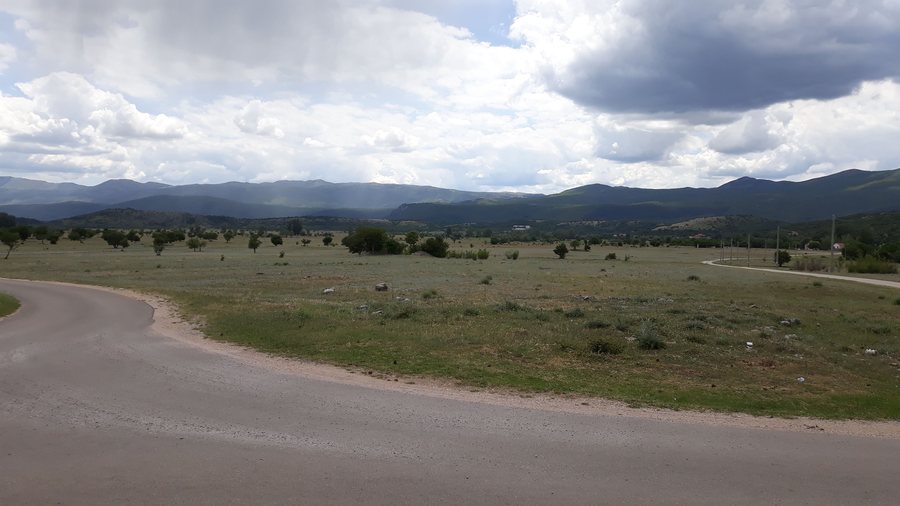 Županijska cesta 6083, near Jojići, Civljane, 20200531
Photo: Argo Navis via Wikimedia Commons, CC BY-SA 4.0
Županijska cesta 6083, near Jojići, Civljane, 20200531
Photo: Argo Navis via Wikimedia Commons, CC BY-SA 4.0
Key facts about the Municipality of Civljane
- The Cetina rises near the village of Cetina, at 385 meters above sea level.
- Its springs have been protected as a hydrological natural monument since 1972.
- Cetina is home to the Church of St. Sava, dating from the 9th century, and the Orthodox Church of the Ascension of the Lord, built in 1940.
- The Putevima vrela Cetine cycling route passes the Vrelo Cetine viewpoint and rest area.
What makes the Cetina spring landscape distinctive?
The spring is located near the village of Cetina in the Municipality of Civljane. The elevation of 385 meters above sea level provides a specific point of reference for the river’s source. The springs themselves are also a defining part of the area’s natural character: they have been protected as a hydrological natural monument since 1972.
Of the Cetina’s three major springs, Vukovića vrilo is the westernmost. This distinction helps identify it within the group of springs without conflating all of them into a single point. Visitors particularly interested in river sources and protected nature will find a clear theme to focus on when planning their trip.
Which cultural sites define Cetina?
The Church of St. Sava was built in the 9th century and is considered one of the best-preserved monuments of early medieval sacral architecture in Croatia. Its age and place in architectural history make it a notable destination for travelers interested in medieval architecture. Cetina is also home to the Orthodox Church of the Ascension of the Lord, built in 1940. The two churches thus represent different periods of construction and religious traditions.
Another distinctive structure is the Pločasti Bridge over the Cetina in the Municipality of Civljane. It consists of 33 almost perfectly regular stone slabs and is considered a unique example of a river crossing. The precise number and regular arrangement of the slabs give the bridge a concrete, easily recognizable feature. Together with the churches, it offers a cultural trip where sacral architecture and an unusual bridge can be explored as distinct interests.
What can you explore on foot or by bike?
For cyclists, the Putevima vrela Cetine route passes the Vrelo Cetine viewpoint and rest area. There are five parking spaces and bicycle service stations there. This information is especially useful if you plan to include a bike ride in your trip and want to identify a specific stop along this route.
Another way to experience the spring landscape is to walk to Veliko vrelo. The path was built with steps, giving it a specific design that differs from the cycling route mentioned above.
How do you choose accommodation in the Municipality of Civljane?
The destinations described include places and structures in different locations: the churches in Cetina, the springs near the village, and the bridge in the Municipality of Civljane.
More destinations in the travel guide: Municipality of Kijevo, Kornati, Municipality of Ružić, Municipality of Primošten, Municipality of Promina, Municipality of Drniš and Municipality of Kistanje.
FAQ
Where does the Cetina rise?
The Cetina rises near the village of Cetina in the Municipality of Civljane, at 385 meters above sea level.
Which churches are in Cetina?
The Church of St. Sava was built in the 9th century. The Orthodox Church of the Ascension of the Lord was built in 1940.
What does the Vrelo Cetine viewpoint offer cyclists?
The Putevima vrela Cetine cycling route passes the viewpoint. There are five parking spaces and bicycle service stations there.
To the broader travel overview: Šibenik-Knin County.

