
Tepl: Monastery, Cycle Paths and Natural Monuments
Accommodation in Tepl
The history of Tepl is closely connected with the Premonstratensian monastery in Teplá: Blessed Hroznata, a Bohemian nobleman, founded it in 1193.
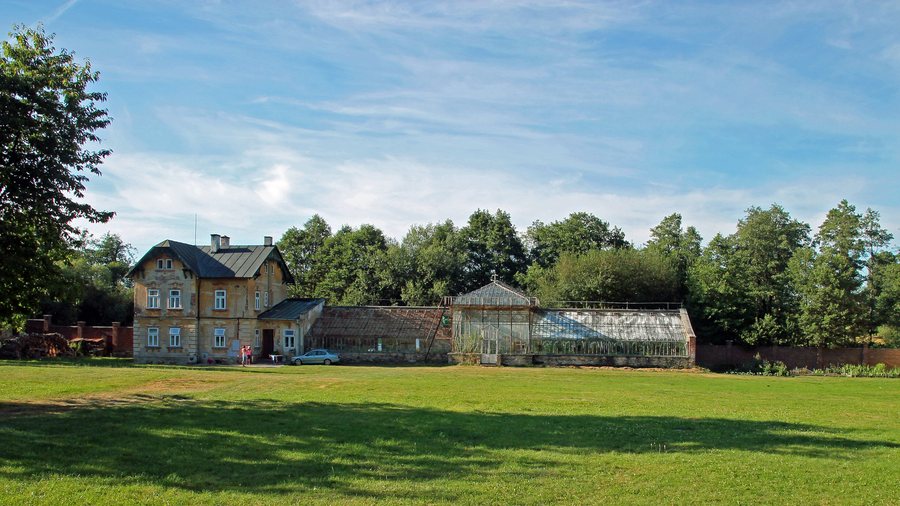
Culture and Architectural History
The oldest surviving part of the monastery is the Romanesque-Gothic three-nave hall church of the Annunciation of the Lord. The history of the Church of Saint Giles includes frescoes from 1765; they depict scenes from the life of Saint Giles and were created by Eliáš Dollhopf. The church itself was built in 1762–1765 by the master builder Hausmann in the late Baroque style on the site of an older church.
The Chapel of the Holy Cross, Our Lady of Sorrows and Saint Andrew in Teplá was built in 1768–1769 based on an older design by K. I. Dienzenhofer from 1730. The Premonstratensian monastery in Teplá is open to tourist visits. Concerts, exhibitions and other cultural events take place at the monastery.
In Tepl, an urban heritage conservation zone protects several significant architectural monuments. The cultural history of the town thus encompasses both the founding of the monastery and various construction phases, sacred architectural details and cultural use that continues to the present day.
The individual cultural features can be distinguished when planning according to historical periods, architectural forms and types of events. Thus, the Romanesque-Gothic hall church, the late Baroque Church of Saint Giles, the chapel and the events each serve as separate points of reference.
Cycle Paths and Regional Routes
Regional cycle route No. 362 is 36 km long. Route 361 is called the Teplá–Slapany u Chebu (Waldsassen) Monastery Route and is suitable for trekking, cross and mountain bikes. The two routes therefore allow different details to be compared: Route No. 362 is described by its length, while the types of bicycles intended for Route No. 361 are the main focus.
For choosing a route, length and bicycle type remain separate points of comparison. This is particularly helpful when the desired cycling tour is to be classified either by the extent of the route or by the equipment available.
Other Local Pages
You can access other local pages via the names Beroun, Bezvěrov and Teplá U Touzime.
Nature and Landscape
The Sirňák natural monument features gas emissions in the floodplain of the Teplá River, forming unique mud craters, or mofettes. The Čertkus natural monument comprises wet meadows, fens and meadow springs with characteristic communities of plants and animals. Visitors interested in nature can consider the geological features at Sirňák and the wet habitats at Čertkus as separate areas of focus. In addition, Čertkus in the Slavkovský les is home to the largest population by number of individuals.
Sirňák and Čertkus therefore represent two different nature themes: gas emissions and mud craters shape the floodplain in one place, while wet meadows, fens, meadow springs and ecological communities define the landscape in the other. The information about the natural monuments can accordingly be recorded separately.
For the overarching travel overview: Eger District.
More Destinations
More places within the same destination:

.jpg)