
Stupno: Hotels and Accommodation
Accommodation in Stupno
In Stupno, railway history, traces of early settlement and evidence of the industrial past come together. This profile is complemented by cultural sites, a versatile leisure centre in the municipality of Břasy and a natural monument west of the village.
Culture and History
The Stupno Railway Museum focuses on the history of the local railway from Chrást to Radnice. Its exhibition is housed directly in the railway station building and has an entrance from the street. The regional railway history also includes the line from Chrást to Stupno, which began operating on 1 April 1863.
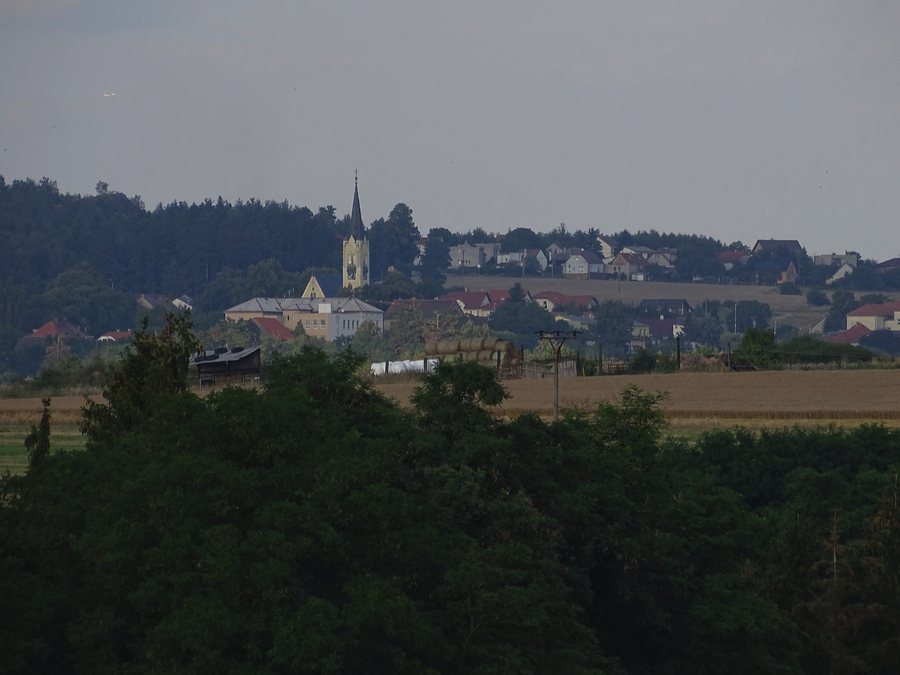
On Křemenáč Hill, also known as Křemelák, near Stupno, there was a hilltop settlement of the so-called Cham culture during the Chalcolithic period. Preserved pottery fragments from Křemenáč provide evidence of the earliest pottery production in Břasy. The original Church of St Lawrence, dating from 1352, burned down in 1854 and was rebuilt in 1880; the Church of St Lawrence is considered a prominent landmark of the municipality. The Šternberk family tomb was built in 1827 in the pure Empire style.
K21 in Stupno is an exhibition and information centre.
Leisure
In the municipality of Břasy, a 33-metre-high chimney at the Ultramarinka leisure centre recalls its former industrial use. The centre includes an inline skating track, a pump track, a disc golf course, beach volleyball and a climbing wall; swimming is also possible there.
Nature
Bašta Natural Monument lies west of Stupno near Kříše. It preserves part of a coal seam from the former Kliment open-cast mine.
For the higher-level travel overview: Břasy.

