
Discover Kihnu Vald: Island Culture, Nature and Routes
Accommodation in Kihnu Vald
Kihnu combines a clearly defined island shape with an unusually dense network of seafaring, handicrafts, festivals and nature experiences. For planning your trip to Kihnu Vald, you will find cultural sites, specific activities, information about travelling by ferry and practical guidance for choosing your accommodation here.
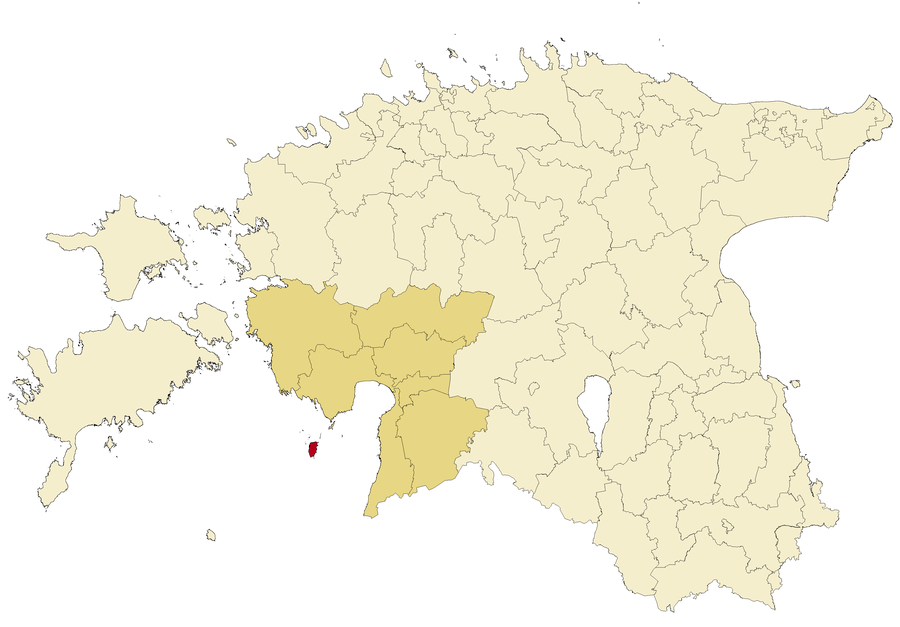
Kihnu is the largest island in the Gulf of Riga and the seventh-largest island in Estonia. It covers 16.9 km², is 7 km long and up to 3.3 km wide. The cultural space of Kihnu has been included on UNESCO’s Intangible Cultural Heritage List since 2003.
What characterises the nature around Kihnu?
Kihnu Strait is an important breeding, moulting and migration area for birds of European significance. There are 56 islets in this marine area. Kihnu’s natural environment is therefore not merely a backdrop for walks, but also a habitat with its own protection requirements.
The coastline can be explored on guided hikes with recognised nature guides. Depending on the route, these hikes are 2.5 to 5 km long and take about three hours. For your planning, this means a clearly defined choice between a shorter route and a longer guided tour, without having to experience the island exclusively by one means of transport.
Which cultural sites tell the story of the island?
Kihnu St Nicholas Church was built in 1784 by converting a Lutheran sacred building for Orthodox use. Inside, there is an iconostasis extending across almost the entire width of the room. The architecture and interior therefore reflect two religious influences that come together in the history of this place.
Kihnu Lighthouse stands at the southern tip of the island. It was built in England from cast iron in 1864 and is one of four surviving cast-iron lighthouses on the Estonian coast. The lighthouse has retained its original character; only the lighting has been modernised. It is 29 metres above sea level and has a lantern room and a gallery.
Fishermen and seal hunters probably came to Kihnu as early as 3,000 years ago. The Kihnu Museum presents everyday island life through seafaring, handicrafts and traditional clothing. It also offers tours and workshops about Kihnu’s traditions. Depending on the workshop, activities may include loom weaving, sewing a traditional Kihnu jacket, net knitting, tablet weaving, beadwork and wool carding.
Metsamaa became a centre for communal traditional culture in 2008. The annual Kihnu Knitting Festival takes place there and includes workshops on the history and techniques of Kihnu knitting. In this way, a historic site, textile handicrafts and community events come together in a specific cultural context.
How can you explore Kihnu on foot or by bicycle?
The official Kihnu Reesuratas route is 23 km long and passes through Lemsi, Rootsiküla, Linaküla and Sääre. This route can be completed with any type of bicycle, on foot and, if necessary, by car. This allows you to adapt your means of transport to your group and preferred daily rhythm, while the four villages provide clear orientation along the route.
Groups can take part in Kihnu Game, an orienteering activity in which teams cycle across the island. A guide introduces local sights as well as life, history and culture on Kihnu. This combines physical activity with an explanatory perspective on the island, without making the ride itself the sole focus.
Cycling tours can also be combined with insights into fishing culture. On Kihnu fishing tours, a fishing guide accompanies visitors. The tours include going out to sea as well as setting and hauling in the nets. Participants can take their catch home or have it smoked or grilled. In winter, Kihnu fishing tours are offered with a sled for ice fishing at an ice hole.
Which traditions can you experience yourself?
The Koo, söö ja loo Kihnus programme includes accommodation, food, instruction and an introduction to Kihnu’s traditional culture. The programme teaches participants to knit cuffs, Troi sweaters, socks, gloves, hats and scarves with Kihnu patterns. For travellers who do not merely want to watch, this provides direct access to a handicraft tradition.
At the Kihnu Women’s Workshops, you can learn to sew a traditional Kihnu jacket, gloves and socks, as well as braid garters. The offerings at the Kihnu Museum complement this focus with additional techniques such as weaving, net knitting, tablet weaving, beadwork and wool carding. The different formats therefore emphasise different aspects within the same textile and handicraft culture.
SaunaFest is also one of the annual events on Kihnu. Visitors can try traditional, Finnish and smoke saunas there.
What is part of the local cuisine and festivals?
The annual Kihnu Herring Trek celebrates the island’s traditional fishing culture and includes workshops on preparing herring. The connection between fishing and cuisine is also evident on the fishing tours, when the catch can subsequently be taken home, smoked or grilled.
Kihnu Gurmee prepares dishes from high-quality, preferably local raw ingredients. The dinner offering includes a specially arranged table and a five-course meal with water, tea and coffee. In addition, the cafés of Kihnu Keretäüs offer various dishes, including homemade meals and snacks.
At Kihnu Harbour Market, local handicrafts, souvenirs with Kihnu patterns, Kihnu white and black bread, smoked fish and Baltic herring rollmops are sold. The market, cafés and dinner therefore appeal to different interests: You can discover regional products, plan a meal or combine handicraft products with the island’s characteristic patterns.
How do you plan your journey and accommodation?
Kihnu can be reached by ferry from Munalaid. The ferry journey to Kihnu takes about one hour and operates in all seasons. When choosing between a hotel and another type of accommodation, you can therefore first consider whether cultural sites, nature walks, cycling excursions, handicrafts or culinary offerings will be the focus of your trip. The different experiences provide a more concrete basis for planning your days than a general classification of the accommodation.
For further local pages to compare, see Surju, Tori, Koonga Parish, Are, Varbla Vald and Tõstamaa.
FAQ
Where are the bicycle rental outlets on Kihnu?
Bicycle rental outlets are located directly at Kihnu harbour.
How large must a group be for Kihnu Game?
Kihnu Game is designed for groups of at least five people.
What applies during the breeding season in Kihnu Strait?
Kihnu Strait is located in a nature reserve that may not be entered during the birds’ breeding season, from April to mid-July.
When does Kihnu Keretäüs take place?
Kihnu Keretäüs is an annual home café festival held on the first weekend of June.
Back to the main travel overview: Pärnu.

