
Pärnu: Nature Trails, Bogs and Regional Culture
Accommodation in Pärnu
Pärnu combines extensive natural areas, clearly distinct hiking experiences and a diverse regional culture. Pärnu offers more than 18 hiking and nature trails for recreation in nature. The Baltic Coastal Hiking Trail, which is part of the European long-distance hiking trail E9, also runs through Pärnu County. This gives you a destination that can be planned around different interests: with bog landscapes, river trails, museums, regional traditions and activities for children and adults.
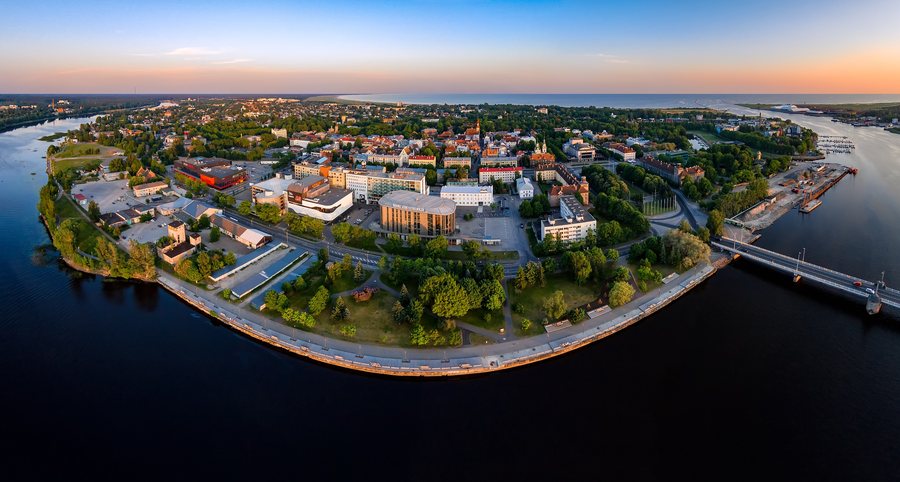 File:Pärnu kesklinn - Aerial photo of Pärnu in Estonia (2).jpg
Photo: Kristian Pikner via Wikimedia Commons, CC BY-SA 4.0
File:Pärnu kesklinn - Aerial photo of Pärnu in Estonia (2).jpg
Photo: Kristian Pikner via Wikimedia Commons, CC BY-SA 4.0
One defining natural area is Soomaa National Park. It covers a 17,500-hectare landscape with flood meadows, bogs, forests and rivers. Kuresoo, Estonia’s largest remaining intact bog complex, is located in this national park.
The Rannametsa–Tolkuse Nature Trail also demonstrates the connection between forest and bog. The circular trail is 2.2 km long and leads through pine forest and the Tolkuse Bog. The section from the car park to the bog lake and back is also accessible by wheelchair or with a stroller. The trail leads to the largest bog lake in Tolkuse Bog, where visitors can swim. For families and travellers with different mobility needs, these precisely described sections provide important guidance when planning a day trip.
Which hiking trails define your stay?
The Baltic Coastal Hiking Trail runs through Pärnu County and is part of the European long-distance hiking trail E9. Another specific example is the Kopra–Ikla section of the RMK hiking route. It is 74 km long and can be hiked. The different distance figures help you distinguish between short nature outings and longer hiking sections when planning your trip.
For nature observation, Soomaa National Park offers guided beaver-watching tours along the rivers. This means the natural area is present not only as a vast landscape, but also as a place for targeted observation and guided experiences.
What can children and adults do?
The Kabli Visitor Centre runs nature education programmes for children and adults on various topics. Its permanent exhibition covers southern Pärnu County as well as the forests, bogs, coastal meadows, bird migration and forestry of Livonia. For families, this location therefore offers two different approaches: programmes with changing topics and an exhibition that brings together several landscapes and areas of life.
The Rannametsa–Tolkuse Nature Trail also combines an experience of nature with practical accessibility on the precisely designated section from the car park to the bog lake and back. The visit can therefore be combined with a short circular hike, Tolkuse Bog and the opportunity to swim at the bog’s largest lake. The information about the route and accessibility remains clearly separated.
Another focus is Tori. Estonia’s oldest horse-breeding establishment is located in Tori, in Pärnu County. The Tori Horse Breeding Farm continues to breed and keep Estonian and Tori horses. The Tori Stud Farm also offers riding excursions at the stud farm and in the forest. Those interested in horse breeding, animal husbandry or a horseback ride will therefore find several related topics here, not limited to a single museum visit.
What culture and history will you encounter?
Kihnu culture is visibly shaped by woollen handicrafts. The Kihnu cultural space preserves numerous cultural traditions, including songs, games, dances, wedding ceremonies and handicrafts. The Kihnu Museum offers guided tours and workshops on the island’s traditions. Here, you can therefore explore textile handicrafts, traditional customs and the communication of these traditions as related but distinct aspects.
In Pärnu, the Pärnu Museum tells four unique stories from the region. Allikukivi Manor provides an architectural accent: the manor house is a historicist brick building with neo-Gothic features. Both places represent different forms of cultural engagement. The museum tells regional stories, while the manor house is primarily experienced through its architectural form and stylistic features.
The Eesti Muuseumraudtee in Lavassaare is Estonia’s only narrow-gauge railway museum and also has an operational steam locomotive. In summer, the Eesti Muuseumraudtee is open daily; at weekends, a steam or diesel train runs along a 2 km route. This seasonal and weekday-related distinction is particularly relevant for trip planning if you would like to combine a museum visit with a train ride.
Where is regional history brought to life?
The renewed exhibition at Häädemeeste Museum covers the history of the region, the development of sailing, fishing, and church, school and cultural history. Häädemeeste Museum also organises discussion sessions and events to preserve and pass on the local heritage and culture.
An interactive exhibition uses themed rooms to tell the story of the most important events, places, people and heartfelt wishes in the life of C. R. Jakobson. Tõstamaa Manor was founded in the Middle Ages, providing another historical reference point for travellers who want to consider not only nature trails but also older architectural and local history when making their selection.
How do you choose a hotel for planning your trip?
When choosing a hotel in Pärnu, you can first determine the focus of your stay through the documented topics. Nature enthusiasts can take their bearings from the hiking and nature trails, Soomaa National Park, the Navesti River and Tolkuse Bog. For a culture-focused itinerary, options include the Pärnu Museum, the Eesti Muuseumraudtee, the museums in Kabli and Häädemeeste, as well as the traditions of Kihnu.
For trips with children, the nature education programmes for children and adults at the Kabli Visitor Centre and the described accessible section of the Rannametsa–Tolkuse Nature Trail provide concrete points of reference. If horses and rural culture are more important, Tori horses, the horse-breeding establishment and the riding excursions on offer complement the selection. This allows you to align your accommodation decision with your planned experiences without limiting your stay to just one type of trip.
Which subregions can you also consider?
For regional orientation, you can also consider Pärnu, Paikuse, Pootsi, Uulu, Leina, Võiste, Kuiaru, Treimani, Kabli, Varbla Vald, Sauga, Häädemeeste, Kihnu Vald, Tõstamaa, Are, Saulepa, Surju, Saarde, Reiu, Papsaare, Kurgja, Salu, Vändra, Audru, Lavassaare, Koonga Parish, Tori, Sindi linn, Tahkuranna and Tammiste separately.
FAQ
How long is the Kopra–Ikla section of the RMK hiking route?
The Kopra–Ikla section of the RMK hiking route is 74 km long and can be hiked.
What offers are available at the Kabli Visitor Centre?
When was Tõstamaa Manor founded?
Tõstamaa Manor was founded in the Middle Ages.
For the higher-level travel overview: Estonia.

.jpg)