
Tori: Soomaa, River Landscapes and Culture
Accommodation in Tori
Tori combines river landscapes, nature experiences and an unusually diverse cultural history. For your travel planning, this means you can put together a stay among forests, bogs, water, museums, churches, wildlife observation and regional food according to your own interests.
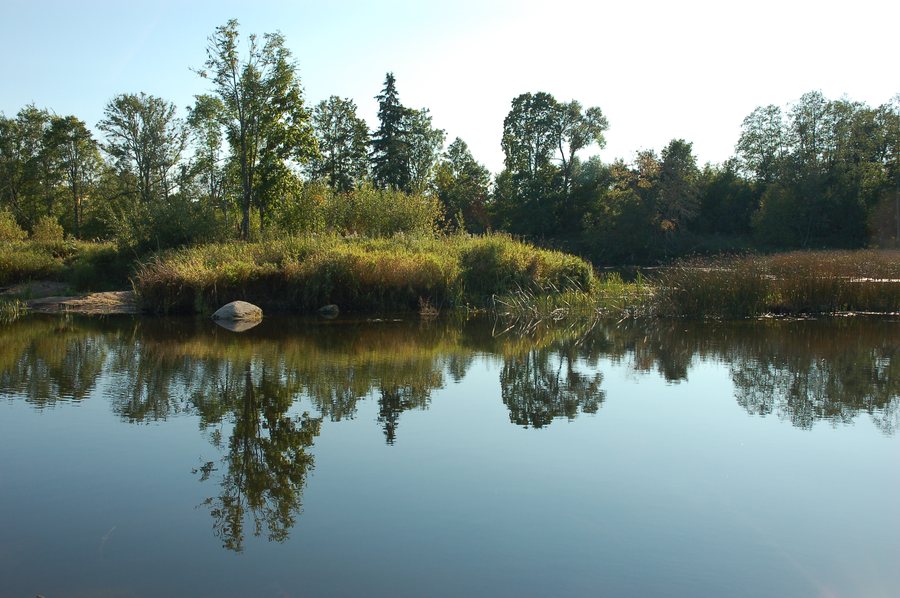
Tori Parish is a scenic region where forests, green spaces and rivers are closely intertwined with the living environment. The town of Tori lies on the edge of Soomaa National Park. There are opportunities to hike in forests and bogs, as well as on rivers. A distinctive feature of the landscape is the flood period, known as the “fifth season”. It can create conditions for canoe trips across flooded meadows and through alluvial forests.
This gives Tori several starting points for different travel interests. Those seeking nature will find themes relating to rivers, forests, bogs and protected landscapes. Those interested in history will encounter museums, churches, early settlement traces and traditional regional customs. This combination also makes Tori interesting for travel planning in which not every day has to follow the same focus.
What shapes the landscape around Tori?
The protected natural monuments in Tori Parish include Tori paljand and the caves there. The Tori Põrgu sandstone riverbank escarpment on the Pärnu River is also one of the area’s distinctive landscape features. Together with the river courses, this creates a setting in which nature is experienced not merely as a distant backdrop, but at specific riverbanks, escarpments and waterways.
Another landmark is the suspension bridge in Jõesuu. It crosses the Pärnu River and is 67.5 metres long. For your day planning, it is therefore a clearly identifiable point within the river landscape.
What water experiences can you include in your plans?
At Haabjakoda, authentic dugout canoes can be rented for calm one-hour trips on the Pärnu River. For the canoe trips, Haabjakoda provides life jackets, paddles and basic instructions. This makes the activity easy to understand as a specific component of a short water experience, without equating time on the river with a longer tour.
Haabjakoda also presents an exhibition about the dugout canoe tradition in Estonia and Latvia. Organised kayaking and canoeing tours begin and end at the Sindi rapids. The turbulent water there can be viewed from the riverbank, making the site a specific destination for visitors interested in water even without taking part in a tour.
Where can you encounter history and regional culture?
The Sindi Museum offers visitors a free introduction to the history of Sindi. The Tori Museum was Estonia’s first parish museum and was founded in 1934. Its exhibitions are housed in a former manor estate granary dating from 1814.
The settlement of Pulli also reaches far back into the past. The first settlers arrived in Pulli 10,000 to 11,000 years ago. A dog tooth found there is the oldest evidence of the presence of domesticated dogs discovered in Estonia. Such early traces give a journey through the region a sense of historical depth that extends beyond individual buildings or exhibitions.
Religious and commemorative sites include Tori Memorial Church and Tori St George’s Lutheran Church. Tori Memorial Church was completed in 1854. Tori St George’s Lutheran Church was consecrated in 2001 in memory of all victims of the Second World War and is used as a concert venue.
Which regional experiences suit different interests?
During a visit to Tori Siidritalu, guests can learn about cider and wine production and taste the farm’s products. The focus is therefore on regional production and a specific tasting, rather than on a generally asserted food scene. For travellers who would like to include local products in their plans, this farm is an experience in its own right.
In addition to alpacas, the alpaca farm is home to dwarf goats, miniature sheep, Angora rabbits and chickens. The different animal species offer a different way of experiencing the region than museums, churches or river trips. Families and couples with different interests can include such themes in their considerations without having to structure their entire stay around just one type of activity.
How do you choose suitable accommodation in Tori?
When choosing a hotel or other accommodation in Tori, it is worth first defining the desired focus of your stay. Nature interests lead to questions about Soomaa, rivers, forests and bogs. Culture-oriented days can combine museums, churches, Pulli and the history of horse breeding. Water trips, regional tastings and wildlife observation, in turn, create different focal points.
This thematic division helps you consider the location and type of accommodation in relation to your travel plans rather than in isolation. What matters is which places and experiences you want to combine and how much room you want to leave for nature, history or activities. Tori is therefore particularly suitable for a consciously planned trip in which the value of the experience does not depend solely on one highlight.
For further comparisons between places in the immediate area, you can look at Tori, Kõrsa, Audru, Kihnu Vald, Vändra, Saarde, Koonga Parish and Sauga.
FAQ
What is Tori Hobusekasvandus?
Tori Hobusekasvandus is a horse-breeding farm founded in 1856. Estonian and Tori horses are still bred and raised there.
What activities does Tori Hobusekasvandus offer?
The horse-breeding farm offers horseback riding excursions and horse-drawn carriage trips by prior booking.
What can you see at the Tori Museum?
The Tori Museum was founded in 1934 and was Estonia’s first parish museum. The exhibitions are housed in a former manor estate granary dating from 1814; the museum also organises guided tours.
What should you know about Tori Põrgu?
The interior of Tori Põrgu is no longer accessible. However, stairs from the cemetery gate lead to the site. Tori Põrgu is a Devonian sandstone riverbank escarpment on the Pärnu River. From the bridge area, you can reach it by paddling 100 metres upstream.
What does the Meiekose nature trail offer?
The Meiekose nature trail is 2.8 kilometres long. It runs along the Raudna and Tõramaa rivers through part of the cultural landscape of Soomaa National Park and includes an old village with huts and saunas, old farmsteads and gnarled oak trees.
To the main travel overview: Pärnu.

