
Kastna between bogland and local tradition
Accommodation in Kastna
Kastna combines bogland with a local tradition. When comparing destinations, you can use these natural and cultural themes as a guide and more easily assess whether they match your travel interests.
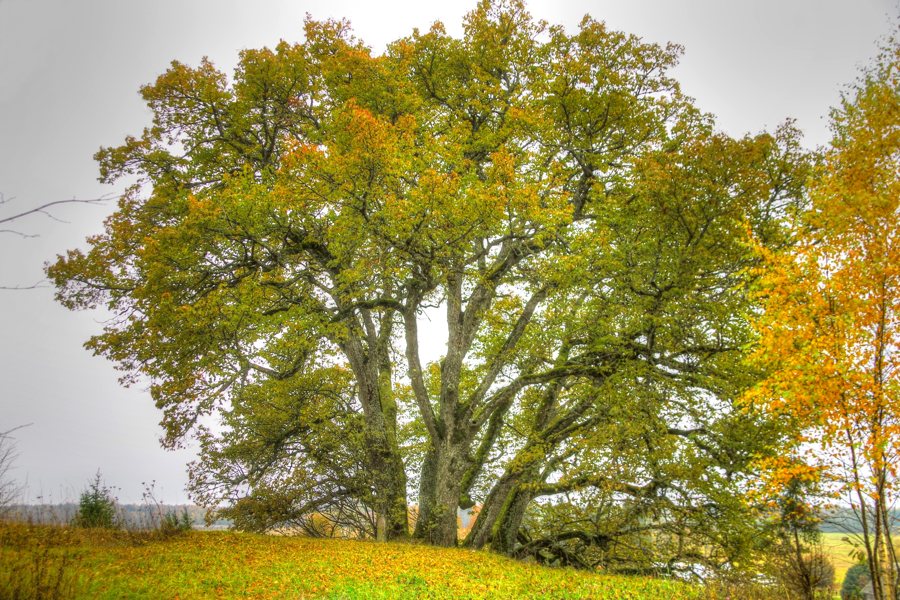
Kastna at a glance
- The Kastna-Rapla natural area includes Kastna raba and nearby forests and wetlands.
- Kastna raba forms the main part of the natural area.
- The Kastna-Rapla natural area lies on a watershed.
- Käru Nature Reserve extends into the village of Kastna.
- Nearby, Kastna hoiuala is located within the Kastna-Rapla loodusala Natura 2000 site.
What kind of landscape defines Kastna?
Kastna raba is the central landscape feature of the Kastna-Rapla natural area. It forms the main part of the Kastna-Rapla natural area. Nearby forests and wetlands are also part of this natural area. Together, they create a landscape in which the bog is the main feature, but is not considered in isolation.
Its location on a watershed is also part of the geographical context of the natural area. A watershed separates areas from which water flows in different directions. This gives two complementary perspectives on Kastna-Rapla: its composition of bog, forests and wetlands, and its topographical location.
What is the significance of Kastna raba?
Kastna raba is not only the main part of the natural area; it is also associated with functions that benefit the surrounding area. Kastna raba is considered valuable for stabilizing the area's water balance and keeping its water clean.
This description draws attention to the role of the bog within the wider landscape: the water balance and water quality are among the stated reasons for its significance. If you choose Kastna as a destination, this offers an informative way to learn about the area's nature—not only through visible landscape features, but also through their ecological function.
What local tradition is associated with Kastna?
A local legend says that Kastna Hiiemägi came into being when a dark cloud turned into a hill and buried four ploughmen and their oxen beneath it. This story is a traditional tale of origin, not a geological explanation. Kastna Hiiemägi is located in the village of Kastna and provides a distinct point of reference in local cultural history alongside the bogland.
Two different themes can therefore help you understand the destination: the landscape around Kastna raba and a story explicitly passed down as a legend. If you are interested in nature and local traditions, you can take both aspects into account when planning your trip without treating them as one and the same.
Which protected areas should be distinguished?
Several protected-area designations help place the area in its geographical context. Käru Nature Reserve extends into the village of Kastna. Nearby is also the protected area Kastna hoiuala, which lies within the Kastna-Rapla loodusala Natura 2000 site.
Pay attention to the full names: the Kastna-Rapla natural area and the Kastna-Rapla loodusala Natura 2000 site sound similar, but refer to different geographical relationships. These protected-area designations add to the picture of Kastna without conflating the areas mentioned into a single place.
Discover more destinations: Kõrbja, Saunaküla, Rappel, Käru, Kuusiku and Märjamaa.
FAQ
What does the Kastna-Rapla natural area include?
It includes Kastna raba and nearby forests and wetlands. Kastna raba forms the main part.
What does the legend of Kastna Hiiemägi tell?
According to tradition, a dark cloud turned into a hill and buried four ploughmen and their oxen. It is a legend, not a geological explanation.
How is Kastna hoiuala connected to Natura 2000?
The protected area Kastna hoiuala is located near Kastna and within the Kastna-Rapla loodusala Natura 2000 site.
To the main travel overview: Rapla.

