
Discover Rapla: Culture, History and Walking Routes
Accommodation in Rapla
Rapla combines church and architectural history with galleries, event venues and a riverside promenade. Its varied themes can help you choose a destination focused on culture and peaceful walks.
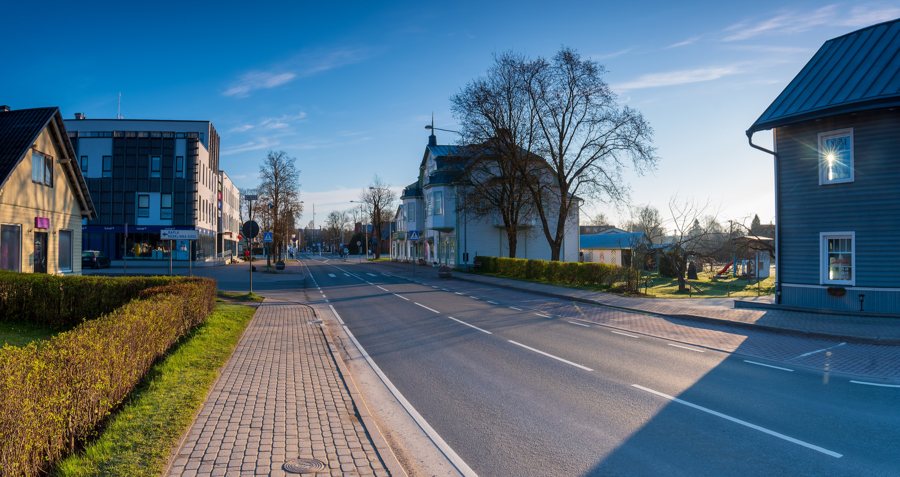
Rapla at a glance
- The Freedom Monument commemorates 142 fallen men from the Rapla parish community.
- The stone bridge is 27.5 metres long and 8 metres wide, and is listed as a cultural monument.
- The parsonage is considered the town’s oldest known building; it was built in the last quarter of the 18th century.
Which buildings shape Rapla’s history?
One particular highlight is Rapla Maarja-Magdaleena Church: it is considered Estonia’s only rural church with two towers. The present building was designed by Baltic German architect Rudolf von Engelhardt. The pulpit and altar were made in the workshops of Christian Ackermann and Quirinnius Rabe; the church also houses an organ by the Kriisa brothers. Ring crosses dating from the 17th century can be seen in the churchyard. Together, these details show different aspects of the building, from its exterior to its furnishings and historic churchyard.
Outside the church, too, architectural history and remembrance take centre stage. The Freedom Monument commemorates 142 men from the Rapla parish community who fell in the First World War and the Estonian War of Independence. The stone bridge combines a specific measurement with its status as a cultural monument: it is 27.5 metres long and 8 metres wide. The parsonage, meanwhile, is considered the town’s oldest known building and was built in the last quarter of the 18th century.
The cultural centre is a rural community hall that has largely retained its original features and has Expressionist architecture. It adds a different perspective on the built environment alongside the older buildings: Rapla’s notable cultural themes include not only churches and monuments, but also a community hall.
Where can you find art and local culture?
Art lovers can explore galleries with different histories. The Rütmani Gallery has been operating in central Rapla since 2006; Trepigalerii opened in March 2022. Susi Studio explores the history of Rapla’s popular music and the biography of Tõnu Susi, which are presented on its walls.
The Tammemäe song stage hosts concerts, theatre performances, and singing and dance festivals. This adds an events programme in different formats to the range of cultural venues, from music and theatre to communal singing and dancing. The four-faced Linna-Pea statue is another local point of interest: it is cleaned every year.
Which walks and experiences suit your stay?
The riverside promenade runs between the Vigala River and the church park and is ideal for a peaceful walk. A shorter route of about 1.5 kilometres is also listed for a cultural and historical guided walk along the promenade. Before making specific plans, check whether this option is currently available.
This gives you a range of themes to focus on when planning your trip: architectural history and church furnishings, galleries and music history, events, or a peaceful riverside walk. If you’re looking for hotels in Rapla, you can start by deciding which of these interests you want to shape your stay.
Discover more destinations: Märjamaa, Saunaküla, Kastna, Kuusiku, Kõrbja, Käru.
FAQ
What does the Freedom Monument commemorate?
It commemorates 142 men from the Rapla parish community who fell in the First World War and the Estonian War of Independence.
What is special about Rapla Maarja-Magdaleena Church?
It is considered Estonia’s only rural church with two towers. The present building was designed by Rudolf von Engelhardt; the pulpit and altar were made in the workshops of Christian Ackermann and Quirinnius Rabe.
How long is the shorter route on the cultural and historical guided walk?
It is about 1.5 kilometres long. Check whether this option is currently available before making plans.
Go to the main travel overview: Rapla.

