
Kohila: Ceramic Art and Cultural History
Accommodation in Kohila
Kohila brings together an international residency for wood-fired ceramics, church art, and historic sites in the surrounding area. Environmental education and TOHI’s gin distillery add to the picture. If you are looking for a hotel in Kohila, you can consider which of these themes you would like to shape your stay.
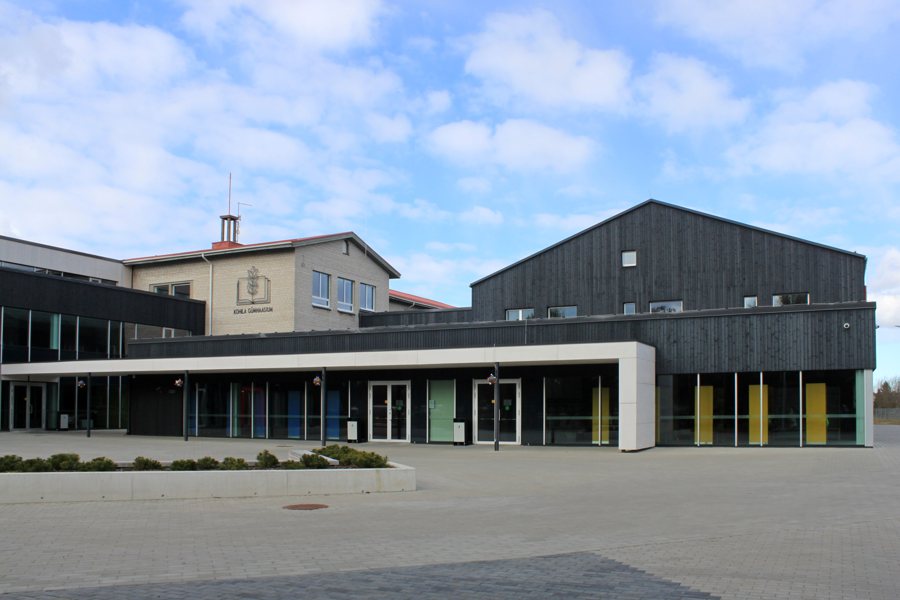
Kohila at a glance
- The Kohila Symposium is an international residency for wood-fired ceramics.
- Up to eleven artists are invited to Kohila for three weeks each year.
- Angerja and Loone are historic sites in the surrounding area of Kohila.
- TOHI operates its gin distillery in the historic vodka kitchen of Tohisoo Manor.
Which cultural themes shape Kohila?
The Kohila Symposium takes place in Kohila and is devoted to wood-fired ceramics. Each year, up to eleven artists are invited for three weeks. They create new works through wood firing, collaborate, and share their experiences. The focus is therefore on both the ceramic process and the shared artistic exchange. For travelers interested in art, this offers a different perspective from looking at a single historic building.
The Angerja Issanda Taevaminemise Church adds its own cultural and historical dimension. It was consecrated on January 28, 1901, and is one of the few Estonian Apostolic Orthodox churches with a newly painted iconostasis that includes all the icons of the saints. An iconostasis is a screen of icons in an Orthodox church. Here, the inclusion of all the icons of the saints is the church’s distinctive feature.
Which historic sites are in the surrounding area?
Angerja vassal castle is in the village of Pahkla, within Kohila Parish, not in the town of Kohila itself. The site is protected as an architectural monument; sections of the stone walls and remains of the basement level have survived. Loone linnus, also known as Lohu Jaanilinn, is in the village of Loone and is an archaeological hillfort site. Both sites are in the surrounding area of Kohila.
The surviving wall sections and basement remains give Angerja a different historical focus from Loone. A new bridge and information board were completed there in 2022; the site is also suitable for a picnic. If you are choosing between the two sites, you can compare the protected site and its surviving structures with the archaeological hillfort and the picnic option mentioned for Loone.
What other experiences are there?
The Kohila Environmental Education Centre offers environmental education activities for children, young people, and adults in Raplamaa and in southern and western Harjumaa. The age groups mentioned therefore range from children to adults; environmental education adds its own focus to the cultural themes.
TOHI’s gin distillery is located in the historic vodka kitchen of Tohisoo Manor. The offerings also include tours and tastings. Gin production and the kitchen’s historic use come together here. If you would like to plan a tour or tasting, check the current options in advance.
How can the discovery routes be understood?
A project description from January 2023 mentions shorter discovery routes that can be traveled on foot or by bicycle. Two ways of getting around are therefore described for these routes; you can make a specific choice based on how you plan to explore.
FAQ
How long does the Kohila Symposium artists’ residency last?
Each year, up to eleven artists are invited to Kohila for three weeks. During this time, they create new works through wood firing, collaborate, and share experiences.
What is the difference between Angerja and Loone?
Angerja is protected as an architectural monument; sections of the walls and remains of the basement level have survived. Loone is an archaeological hillfort site and is suitable for a picnic.
What should I bear in mind before planning a visit to “Kapa Kohila lood”?
The route is counted among the discovery routes in the Kohila region. Check its current availability before planning your visit.
Back to the main travel overview: Kohila.

