
Inner Kartli – Culture and Nature
Accommodation in Inner Kartli
In Inner Kartli, historical and cultural landmarks meet striking landscapes: Gori Fortress dates back to the 13th century, while the Dzama Valley is home to, among other things, a 2,350-meter-high mountain and a waterfall. The region offers different options to shape your trip, from history and sacred art to nature experiences.
Inner Kartli at a glance
- Gori Fortress dates back to the 13th century; evidence of human settlement at the site dates back to the 1st millennium BC.
- Ateni Sioni Cathedral is a 7th-century church, known for its 11th-century frescoes of the Virgin Mary.
- The Dzama Valley has up to 60 historical monuments, including churches, monasteries, fortresses, towers, and natural attractions.
- Biisi Waterfall can be reached via a 2.5-kilometer hiking trail through a natural landscape.
Which historical places define the region?
Gori Fortress connects two widely separated periods: the fortress itself dates back to the 13th century, while evidence of human settlement at the site dates back to the 1st millennium BC. The Gori Museum of History and Ethnography houses archaeological collections from the 4th to 3rd millennium BC. Those interested in the area's early history will find a dedicated museum reference point alongside the fortress.
Another focal point is Ateni Sioni Cathedral. The church dates from the 7th century and is known for its 11th-century frescoes of the Virgin Mary. It is considered one of the finest examples of Georgian monumental art, making it especially interesting for travelers who want to learn about religious art and the history of Georgian architecture.
What landscapes and natural attractions are there?
Ateni Sioni Cathedral stands on a rocky hilltop overlooking old, terraced vineyards. This view of the cultural landscape adds a scenic dimension to the building's art-historical significance, without requiring a specific walking route.
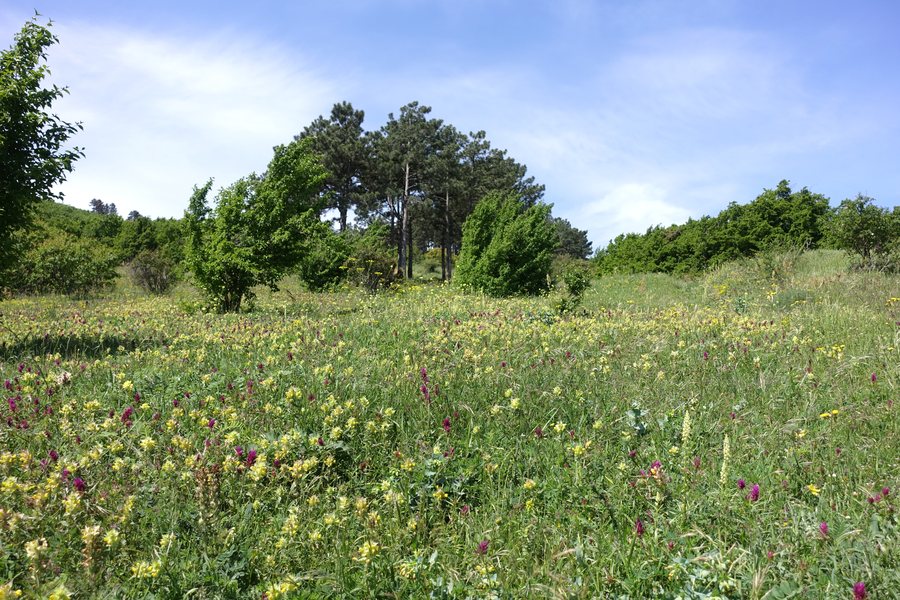
The Dzama Valley has up to 60 historical monuments. These include old and modern churches and monasteries, as well as fortresses, towers, and natural attractions. The range therefore extends beyond a single type of monument. Kintsvisi Monastery stands on a hill in the valley of the Dzama River, near the village of Kintsvisi in the Shida Kartli region.
The natural attractions offer a variety of experiences, too: Mount Shuano in the Dzama Valley is 2,350 meters high and offers panoramic views. A 25-meter-high waterfall lies in the valley near Mount Abukhalo. Biisi Waterfall also has a seasonal highlight: in winter, it transforms into a striking pillar of ice.
How can you tailor your trip to your interests?
If you are primarily interested in historical places and art, Gori Fortress, the museum, and Ateni Sioni Cathedral offer different points of interest. Nature lovers, on the other hand, can focus on the landscapes of the Dzama Valley. The hiking trail to Biisi Waterfall is 2.5 kilometers long; this distance can help you decide if you are planning a walk to a natural attraction.
When looking for accommodation in Inner Kartli, your planned activities can help guide your search: first decide which places and experiences matter most for your trip, then compare suitable accommodation options in the region. The attractions mentioned have different themes, so you can give greater emphasis to culture, scenery, or both. There is also an approximate travel time to help you plan your journey: Shida Kartli is about 1 hour and 5 minutes from Tbilisi by car.
Which subregions and other destinations can you compare?
For more detailed information about Inner Kartli, visit the pages for Gori, Tergvisi, Khashuri, and Tsiplovana. If you want to compare other destinations, you can also explore Mingrelia and Upper Svaneti, Samtskhe-Javakheti, Abkhazia, and Samegrelo-Zemo Svaneti.
FAQ
How far back does the history of Gori Fortress go?
The fortress dates back to the 13th century. Evidence of human settlement at the site dates back to the 1st millennium BC.
How long is the hiking trail to Biisi Waterfall?
The waterfall can be reached via a 2.5-kilometer hiking trail through a natural landscape.
What happens to Biisi Waterfall in winter?
In winter, the waterfall transforms into a striking pillar of ice.
For the main travel guide: Georgia.

