
Samtskhe-Javakheti
Accommodation in Samtskhe-Javakheti
Samtskhe-Javakheti combines lake landscapes and protected areas with distinctive cultural sites. Whether you are interested in birdwatching, kayaking or historical places, the different themes can help you tailor your trip to the region.
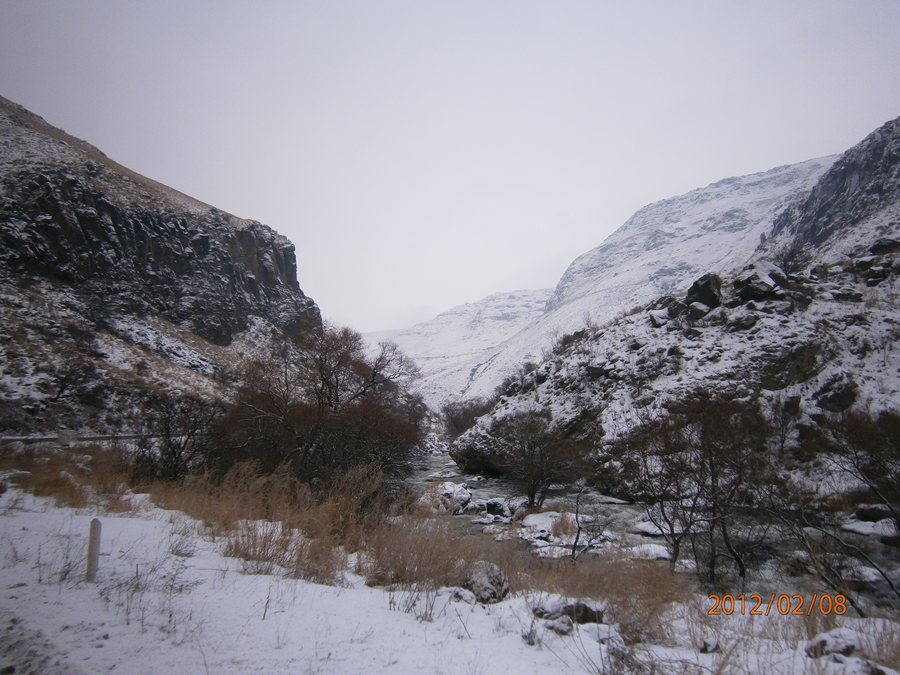 File:Samtskhe-Javakheti, Georgia - panoramio (3).jpg
Photo: G.N. via Wikimedia Commons, CC BY-SA 3.0
File:Samtskhe-Javakheti, Georgia - panoramio (3).jpg
Photo: G.N. via Wikimedia Commons, CC BY-SA 3.0
Samtskhe-Javakheti at a glance
Samtskhe-Javakheti is an administrative region made up of the historic provinces of Samtskhe and Javakheti. Its natural attractions include Paravani Lake and the Javakheti Protected Areas. Cultural destinations include Vardzia, the Poka St. Nino Monastery and the Abastumani Astrophysical Observatory. These places appeal to a wide range of interests—from lakes and birdlife to caves and astronomy.
What landscapes define the region?
Paravani Lake is a volcanic-tectonic lake in Samtskhe-Javakheti. It is also a prominent landmark along the way to several destinations: the route from Tbilisi to Vardzia, Ninotsminda, Akhalkalaki and Akhaltsikhe passes the lake along the Southern Highway.
The Javakheti Protected Areas offer another natural setting. They are characterized by lakes, unique marshes, and subalpine and alpine meadows. The protected area complex includes Javakheti National Park and the managed reserves of Bughdasheni, Khanchali, Madatapha, Sulda and Kartsakhi. Borjomi-Kharagauli National Park also extends partly into Samtskhe-Javakheti, while also reaching into Imereti and Shida Kartli. When comparing natural areas, you will find both wetlands and lakes as well as meadows at subalpine and alpine elevations.
Which experiences suit your interests?
The Javakheti Protected Areas have birdwatching towers. From these, you can observe 140 breeding and migratory bird species. This makes the region appealing to travelers with a particular interest in birdlife. The same protected areas are also home to numerous fish species suitable for sport fishing.
A 16-kilometer kayaking stretch is described on the Paravani River. It has an elevation difference of 435 meters and a difficulty level between 4 and 5. These three details give you specific points of reference if you are considering kayaking as part of your trip. Ice fishing is also possible on Paravani Lake; the main target fish is whitefish.
Where do cultural history and nature meet?
Vardzia is designated an immovable cultural monument of national importance. A total of 242 caves in present-day Vardzia are partially or fully preserved. This figure describes the preserved remains and makes Vardzia a well-defined destination for travelers interested in historic cave complexes.
Poka St. Nino Monastery also has a long history: it dates back to the 11th century. Meskhetian houses offer another way to explore cultural history. They had underground darani tunnels that served as shelters in times of war. The Abastumani Astrophysical Observatory has been in operation since 1932 and adds astronomy to the region’s cultural themes. When planning your trip, you can choose between historic architecture, caves and an observatory as different points of interest.
Which areas can you explore further?
To compare the region in more detail, explore the guides to Bakurianis Andeziti, Tsemi, Akhalkalaki, Abuli, Zarzma, Zanavi, Tmogvi and Likani, as well as Tba, Tsaghveri, Nakalakevi, Aspindza, Didi Mitarbi, Abastumani, Akhaltsikhe, Borjomi and Bakuriani.
FAQ
Which historic provinces make up Samtskhe-Javakheti?
The administrative region is made up of the two historic provinces of Samtskhe and Javakheti.
How many caves are preserved in Vardzia?
A total of 242 caves in present-day Vardzia are partially or fully preserved.
What details are available about the kayaking stretch on the Paravani River?
The stretch is 16 kilometers long, has an elevation difference of 435 meters and a difficulty level between 4 and 5.
For the broader travel overview: Georgia.

.jpg)