
Discover Akasztó
Accommodation in Akasztó
Akasztó brings together a protected Puszta, an extensive fishpond system, and a history dating back to a document from 1278.
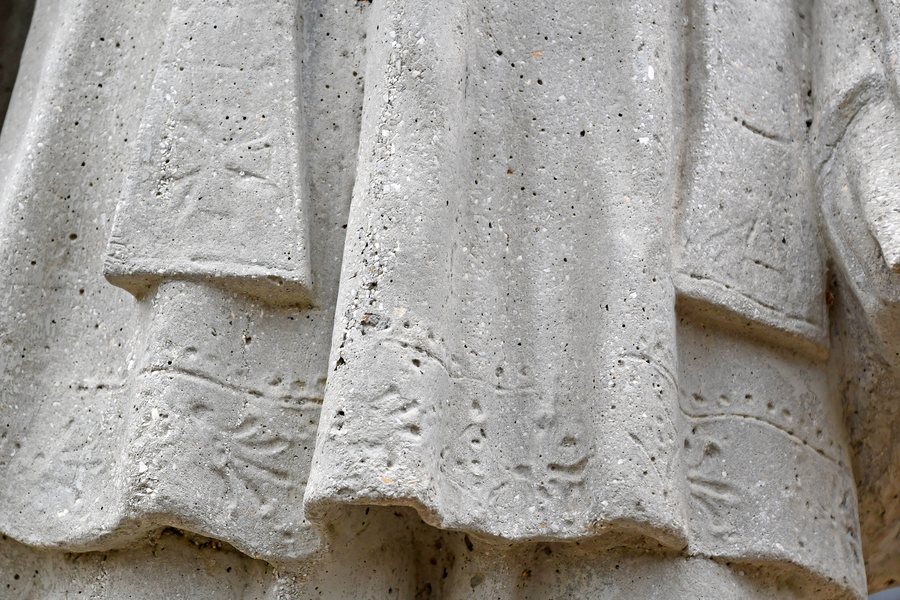 File:Akasztó, Nepomuki Szent János-szobor 2025 06.jpg
Photo: Pasztilla aka Attila Terbócs via Wikimedia Commons, CC BY-SA 4.0
File:Akasztó, Nepomuki Szent János-szobor 2025 06.jpg
Photo: Pasztilla aka Attila Terbócs via Wikimedia Commons, CC BY-SA 4.0
Akasztó at a glance
- The Felső-Kiskunsági Puszta lies within the area of Akasztó and is a migratory area for strictly protected bird species.
- A fishpond system covering several hundred hectares is a tourist attraction in the area.
- Sandy and saline soils alternate across Akasztó’s fields.
- Visitor leisure spots include Halascsárda, the fishpond system, and the lido.
- The warm-smoked fillet of Akasztói szikiponty is considered a local specialty.
What shapes nature and the landscape in Akasztó?
The Felső-Kiskunsági Puszta is located within Akasztó. The Ramsar protected area serves as a migratory area for strictly protected bird species. The landscape and birdlife are therefore among the defining features of the area.
The soil also gives the landscape its character: sandy and saline soils alternate in Akasztó. Travelers comparing destinations by landscape themes will find, alongside the Puszta, a distinctly different feature in the fishpond system, which covers several hundred hectares. It is presented as a tourist attraction. These two themes offer different points of reference for planning a trip: protected landscapes and bird migration on the one hand, and the ponds as a leisure activity and attraction on the other.
What leisure spots and specialties are there?
Halascsárda, the fishpond system, and the lido serve as leisure spots for visitors. If you plan to visit any of these places, it is advisable to check current visitor access in advance.
A distinctive culinary highlight is Akasztói szikiponty: its warm-smoked fillet is considered a local specialty. This is a specific regional recommendation for anyone interested in the cuisine of a destination as well.
What can you learn about the history and Akker-Pince?
The name Akasztó is first mentioned in a document from 1278, issued by László IV (the Cuman).
Akker-Pince is located in the southern part of Akasztó, on the northern border of Kiskőrös. It is described as an equestrian center and winery, and is dedicated to horse breeding and recreational riding. This adds a distinct agricultural and equestrian focus to the nature and leisure themes.
What other themes are there in Bács-Kiskun?
Travelers comparing cultural and nature themes across the wider destination of Bács-Kiskun will find distinctive points of interest in other places too. In Tiszaalpár, the Tiszaalpár, Földvár educational trail covers the history of the Bronze Age fortification and the way of life of people during the Bronze Age. In Kiskunhalas, Csipkeház and Csipkemúzeum present the history of Halas lace, display older lacework, and show the lace-embroidering process; the history of the lace began in 1902.
Discover more destinations: Tabdi, Császártöltés, Kecel, Izsák, Bócsa, Soltvadkert, Fülöpszállás and Körösch.
FAQ
What nature themes define Akasztó?
The Felső-Kiskunsági Puszta lies within the area of Akasztó. The Ramsar protected area is a migratory area for strictly protected bird species; sandy and saline soils also alternate here.
What local specialty is Akasztó known for?
The warm-smoked fillet of Akasztói szikiponty is considered a local specialty.
What is known about the history of the place name?
Akasztó is first mentioned in a document from 1278 issued by László IV (the Cuman).
For the wider travel overview: Kiskőrösi.

