
Discover Bócsa
Accommodation in Bócsa
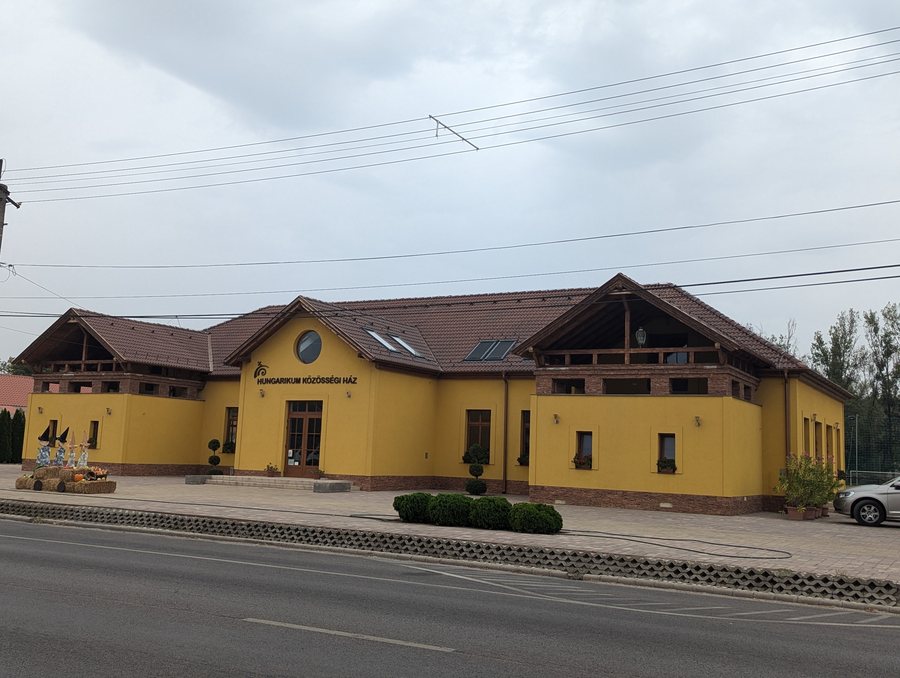
Bócsa has a clear local cultural connection in its municipality-owned Tájház, which serves as an ethnographic collection.
Quick facts about Bócsa
- The Tájház is owned by the municipality and serves as an ethnographic collection.
- The Őszi Boróka Kupa was a two-day orienteering event held in Bócsa on November 11, 2018.
What cultural connections are there in Bócsa?
The Tájház has two distinct attributes: it is owned by the municipality and serves as an ethnographic collection. This makes it a clear local cultural landmark. The Őszi Boróka Kupa is another connection, tied to a specific date. This two-day orienteering event took place in Bócsa on November 11, 2018. Together, these details show two different perspectives on the town: an ongoing collection function and a dated sporting event from the past.
What cultural topics are part of the wider Bács-Kiskun destination?
The wider Bács-Kiskun destination offers other cultural topics at distinct, named locations. The Tiszaalpár, Földvár nature trail presents the history of the Bronze Age fortified settlement of Tiszaalpári Földvár and the way of life of people in the Bronze Age. Tiszaalpári Földvár is also a specially protected archaeological site in Bács-Kiskun; it was designated as such under Regulation 3/2003. (I. 25.) NKÖM. The nature trail therefore presents historical topics, while the designation describes the site's protection status.
A different period is represented by the reconstruction of an Árpád-era village in Tiszaalpár. It was built to mark the millennium and shows the settlement layout discovered during local excavations. In Kiskunhalas, the focus is on craftsmanship: at the Kiskunhalasi Csipkeház and Csipkemúzeum, visitors can learn about the history of Halas lace, which began in 1902, admire centuries-old lacework, and watch the lace-embroidering process. In Kecskemét, Cifrapalota currently serves as an exhibition venue for the Kecskeméti Katona József Museum.
What nature and learning topics are there in Bács-Kiskun?
The Boróka nature trail in Bugac is 1,100 meters long and features information panels and interactive stations, including a forest xylophone and a play telescope. The trail's length and stations describe different aspects of it: its extent and specific elements of its educational approach.
Lake Szelidi is a natural oxbow lake that developed from a branch of the Danube after the Ice Age. The nature trail about blue-green algae at Lake Szelidi is accessible year-round on foot and by bicycle. Its twelve information stations cover the lake's development, the properties of its water, the organisms living there, and the area's wildlife. The focus here is on water and ecology, while the Boróka nature trail in Bugac combines information panels with interactive stations. Since local conditions can change, check them before setting out on a specific tour.
What visitor information does the wider Bács-Kiskun destination offer?
The Természet Háza in Kecskemét is the visitor center of Kiskunság National Park. It provides information about the park's nature trails, visitor conditions for protected areas, ecotourism programs, and forest schools. This makes it a useful starting point for information on various nature and visitor topics, without equating them with Bócsa.
There is a specific route between the Puszta Kapuja information center and the Pásztormúzeum: a dirt road leads there on foot over a distance of about 1.5 km. This information combines an approximate distance with a specific mode of travel and path surface.
Discover more destinations: Kecel, Fülöpszállás, Izsák, Soltvadkert, Akasztó, Tabdi, Császártöltés and Körösch.
FAQ
What is the Tájház in Bócsa?
It is owned by the municipality and serves as an ethnographic collection.
When was the Őszi Boróka Kupa held in Bócsa?
The two-day orienteering event took place in Bócsa on November 11, 2018.
What topics does the Tiszaalpár, Földvár nature trail present?
It covers the history of the Bronze Age fortified settlement of Tiszaalpári Földvár and the way of life of people in the Bronze Age.
For the wider travel overview: Kiskőrösi.

