
Kecel: Nature Trails, Town History and the FLORA Festival
Accommodation in Kecel
Get a feel for the character of the destination through specific experiences.
Kecel at a glance
The FLORA Festival has been held every December in Kecel since 1982. A permanent exhibition at the Városi Múzeum presents the town’s history and the lives of its residents. Nearby are the Rózsaberek tanösvény and the state-protected Vörös-mocsár nature area. The themes therefore range from local history and events to a water-shaped landscape and how it is used.
What landscapes and trails can you explore?
The Rózsaberek tanösvény is located near Kecel, is more than 5 km long and is more like a shorter hiking route. Its final third leads into the Őrjeg area. There, visitors can explore preserved parts of a lush, water-shaped landscape typical of the Great Hungarian Plain. The trail description thus connects a specific landscape with a broader view of the surrounding area.
The nature trail also covers forms of land use that have shaped the sandy landscape over the past 200 years: fields, sandy pastures grazed by sheep, trellised vines and planted forests. Nature and human use sit side by side here. The Erdészeti tanösvény in the Kecel-Szilosi forest offers a different focus, introducing visitors to forestry in the sandy lowlands.
Vörös-mocsár is also part of the surrounding area. This state-protected nature area is home to a rich variety of plant and animal life. In practical terms, nature around Kecel encompasses both the landscape of Őrjeg and the use of sandy areas, as well as a protected area with diverse flora and fauna.
What do the museums, monuments and events tell you?
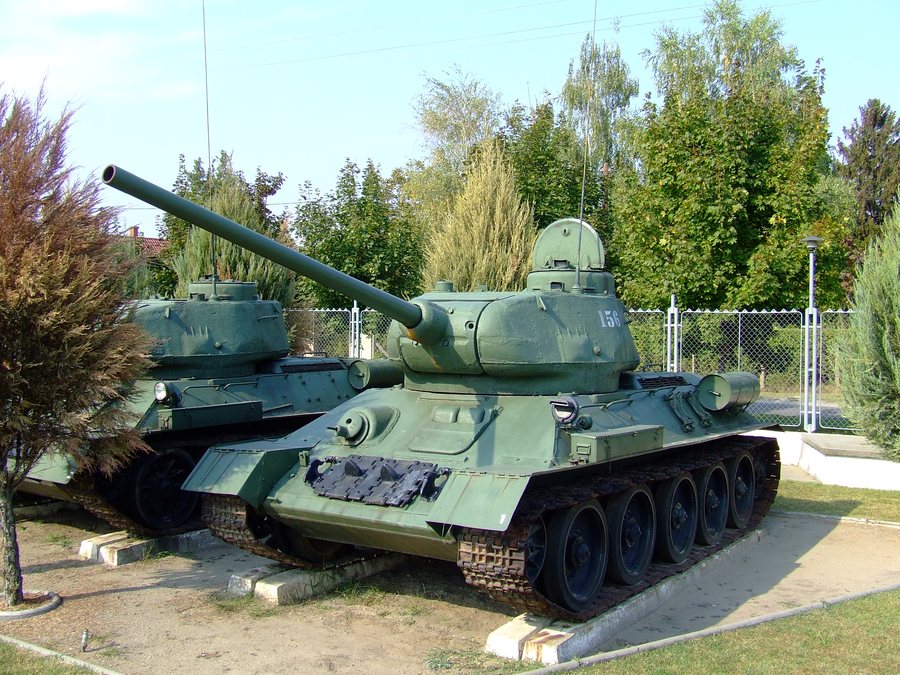
The permanent exhibition at the Városi Múzeum explores the town’s history and the lives of its residents. The history of the local history collection goes back at least three quarters of a century. If you are interested in exhibitions with a different focus, the Pintér Művek Haditechnikai Park has a weapons museum, a model house and an outdoor area featuring military equipment and sculptures.
Kecel’s sights also include the World War II memorial and the sculpture composition Girl with the Sun and the Moon. Other named works include a bust of Gábor Patachich, a statue of Saint Florian, a Trinity statue and a statue of Saint John of Nepomuk; a bell tower is also among the listed sights. Their names offer different starting points for a culturally oriented stay without reducing every place to the same theme.
The FLORA Festival complements these permanent cultural attractions with an annual event in December. The programme includes a flower exhibition, a ceramics exhibition with demonstrations and a craft market. If you are planning your trip around the festival, check the dates for that year in advance.
What else does the wider destination of Bács-Kiskun offer?
Bács-Kiskun also has its own nature and culture attractions. In Bugac, the Boróka nature trail is 1,100 metres long; its information boards and interactive stations include a forest xylophone and a play telescope. In Tiszaalpár, a nature trail introduces visitors to the history of the Bronze Age fortification of Tiszaalpári Földvár and the way of life of people in the Bronze Age. A reconstruction of an Árpád-era village, built to mark the millennium, depicts the settlement layout discovered during local excavations.
Another cultural highlight in Bács-Kiskun is the Kiskunhalasi Csipkeház and Csipkemúzeum. Visitors can learn about the history of Halas lace, which began in 1902, admire lacework dating back centuries and watch the lace-embroidering process. These regional examples broaden the picture of Kecel with additional themes without equating them with the town’s own sights and trails.
Discover more destinations: Tabdi, Izsák, Bócsa, Fülöpszállás, Császártöltés, Soltvadkert, Akasztó and Körösch.
FAQ
When is the FLORA Festival held in Kecel?
The festival has been held every December since 1982. Its programme includes flower and ceramics exhibitions with demonstrations, as well as a craft market. Check the dates for the relevant year when planning your trip.
What can visitors learn on the Rózsaberek tanösvény?
The nature trail, which is more than 5 km long and located near Kecel, covers, among other things, how the sandy landscape has been used over the past 200 years. Its final third leads into the Őrjeg area, with preserved parts of a water-shaped landscape.
What themes does the Városi Múzeum cover?
The permanent exhibition explores the town’s history and the lives of its residents. The history of the local history collection goes back at least three quarters of a century.
What is at the Pintér Művek Haditechnikai Park?
The park includes a weapons museum, a model house and an outdoor area featuring military equipment and sculptures.
For the wider travel overview: Kiskőrösi.

