
Discover Egyházaskozár: Churches, Farmhouses and Rolling Hills
Accommodation in Egyházaskozár
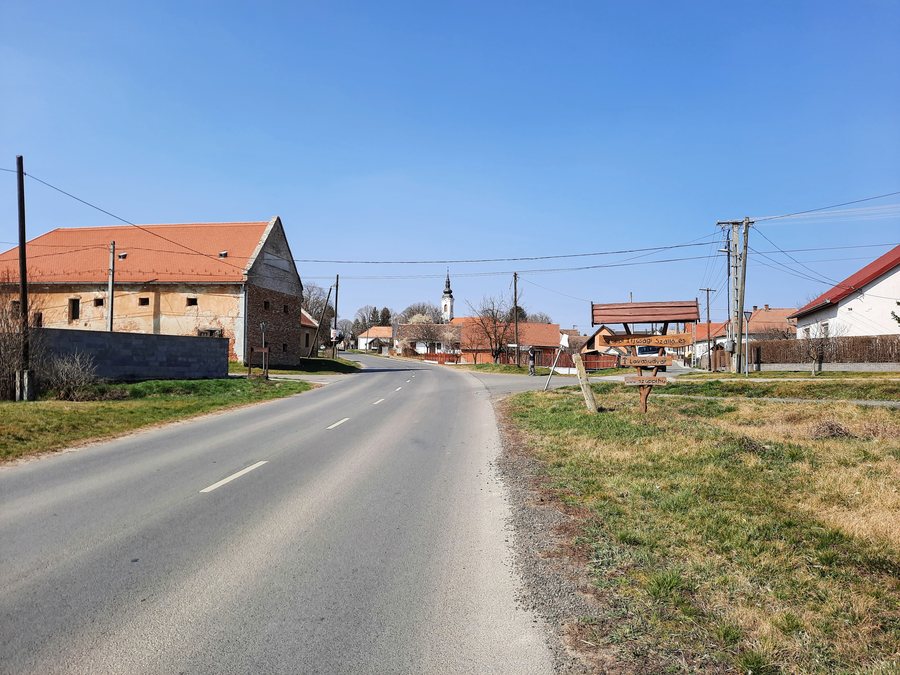
Egyházaskozár brings together churches and centuries-old farmhouses with a hilly landscape crisscrossed by valleys. Visitors choosing the village for a cultural trip can also learn about local traditions and find activities related to nature, crafts and horses.
Egyházaskozár at a glance
- The Evangelical church was built in the 18th century and has an organ with 16 stops.
- The landscape is shaped by loess-rich hills and numerous valleys; an extensive system of ponds was created by damming streams.
- Local events include Falunap in July, a wine-harvest parade in autumn and Kozári Napok in midsummer.
What do the churches and farmhouses tell us about the village?
The Evangelical church is a landmark in the village’s history. It dates from the 18th century. Its organ was built around 200 years ago in József Marschall’s workshop in Bonyhád; it has 16 stops and is still in use today. This connects the historic church building with an instrument that continues to be played. According to local tradition, the church was the first in the country to receive royal permission to build a tower.
The modern design of the Catholic Church of Saint Stephen tells a different story: it was built by descendants of Catholic Csángó. Together with the Evangelical church, it represents the village’s varied religious and architectural influences. Centuries-old Swabian farmhouses in Baroque and Zopf styles add to the cultural character of the village. Visitors interested in architectural forms can see different examples side by side without reducing the churches or houses to a single style.
What is the landscape around Egyházaskozár like?
Loess-rich hills shape the landscape, with numerous valleys cutting through them. There is also an extensive system of ponds created by damming streams. The hills, valleys and ponds give the village a rural character. Those looking for a destination that combines culture and landscape will find these distinctive natural features alongside the churches and farmhouses in Egyházaskozár.
What activities are available for groups?
The Szuppi Youth Hostel, the forest school and the riding stable offer groups horse-drawn carriage rides through the village and its surroundings. A carriage ride from the Szuppi Youth Hostel can pass along the streets of Egyházaskozár and by characteristic farmhouses; a short off-road ride is also possible on the outskirts of the village. The ride therefore combines a look at the local buildings with a short stretch beyond the village, if this option is included in the programme.
The youth hostel also offers riding lessons. At the Szuppi Youth Hostel, the forest school and the riding stable, visitors can feed and groom the animals as needed, under the supervision of the animal keeper. These activities are distinct from the carriage rides: they offer direct contact with animals, while the ride explores the village and its surroundings. Which option suits your group depends on whether you would prefer a shared ride, riding lessons or spending time with animals.
The Szuppi Youth Hostel, the forest school and the riding stable also offer crafts. Activities include felting, batik, candle-making, papermaking and leatherwork. The selection covers a range of materials and processes, from working with wool or paper to leather. Visitors planning a trip to Egyházaskozár can make these activities a focus of their visit, alongside the churches, landscape and local festivals.
The Szuppi Youth Hostel, the forest school and the riding stable in Egyházaskozár also offer the certified environmental education programmes “Száll az ének szájról szájra” and “Élőhelyek-élőlények”. These add a nature-based educational dimension to the craft and horse-related activities.
Which local festivals are associated with Egyházaskozár?
Falunap takes place every year in July. There is a wine-harvest parade in autumn, while Kozári Napok takes place in midsummer.
If you would like to compare other places, you can also find Magyarhertelend, Vékény, Liget, Máza, Magyaregregy, Kárász, Hosszúhetény and Komló here.
FAQ
When does Falunap take place?
Falunap takes place every year in July.
What is known about the organ in the Evangelical church?
It was built around 200 years ago in József Marschall’s workshop in Bonyhád, has 16 stops and is still in use today.
What options are available for groups?
Groups can take horse-drawn carriage rides through the village and its surroundings. The Szuppi Youth Hostel programme may also include a short off-road ride on the outskirts of the village.
For the overview of the wider region: Komlói.

