
Discover Magyaregregy: Village Culture and the Kelet-Mecsek
Accommodation in Magyaregregy
Magyaregregy is part of the Kelet-Mecsek Landscape Protection Area. Several religious sites are located in the valley center; the Arnold-ház features a permanent exhibition on agriculture, domestic life, and the history of education.
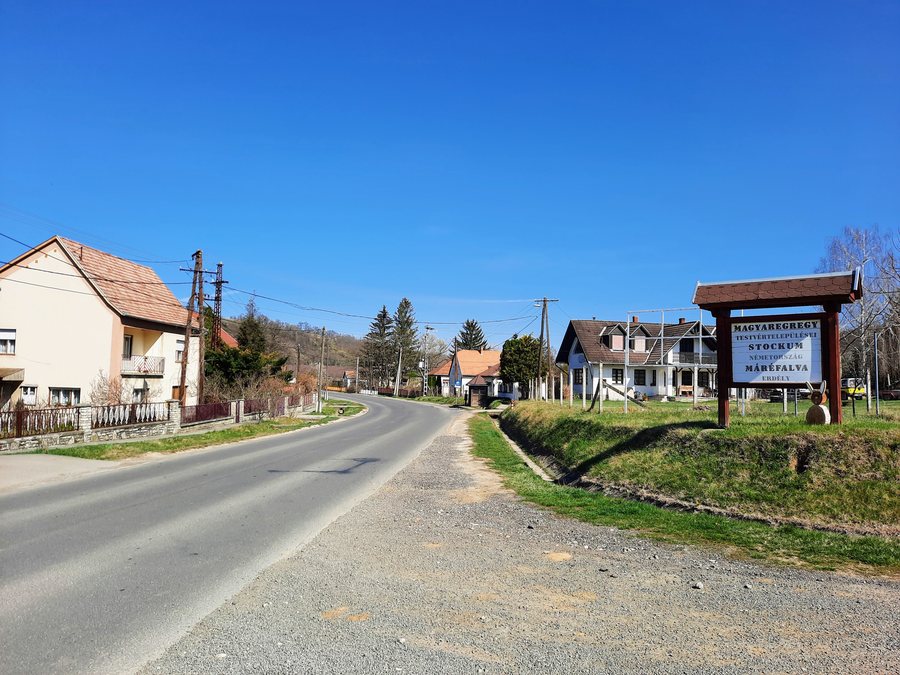
Magyaregregy at a glance
- Magyaregregy is part of the Kelet-Mecsek Landscape Protection Area.
- The Catholic church, Szent-kút, and a Calvary complex are located in a valley in the center of Magyaregregy.
- The Arnold-ház / Falumúzeum features a permanent exhibition of agricultural and household items typical of Magyaregregy, room furnishings, and keepsakes relating to the history of education.
Which religious sites are located in the valley center?
The Catholic church, Szent-kút, and the Calvary complex are all located in a valley in the center of Magyaregregy. Pilgrims visit the church every year. The location of these three sites and the recurring pilgrimage tradition are two distinct aspects of the townscape. The church connects the valley-center setting with these regular pilgrimages; Szent-kút and the Calvary complex add further religious landmarks.
What can you see at the Arnold-ház / Falumúzeum?
The permanent exhibition includes agricultural and household items typical of Magyaregregy, as well as room furnishings and keepsakes relating to the history of education. Here, you can discover different aspects of local everyday life and history. Visits are by prior arrangement.
What cultural attractions does the wider Branau destination offer?
In the wider Branau destination, the Early Christian Necropolis of Sopianae in Pécs offers a distinct cultural and historical focus. It includes decorated tombs from the 4th century, built as underground burial chambers with above-ground memorial chapels and adorned with richly detailed Christian wall paintings. The Zsolnay Cultural Quarter offers a different focus: its exhibitions include “Golden Age of Zsolnay,” “Pink Exhibition,” and an exhibition on the history of the family and factory. This gives you two distinct themes to consider when planning cultural visits: early Christian funerary art and the history of the Zsolnay family and factory.
The Zsolnay Cultural Quarter offers children outdoor playgrounds, an interactive lab, a planetarium, the Bóbita Puppet Theatre, a ceramic painting workshop, and classes at the Hercules Workshop. The publicly accessible outdoor area can be entered and used free of charge during opening hours. Check the current opening hours before visiting.
Where are nature and agriculture the main focus?
The Ős-Dráva Visitor Centre near Szaporca combines an interactive exhibition with a demonstration farming area where practical land management is shown, as well as three themed educational trails. These offer insights into traditional agriculture, the Ős-Dráva Programme, and the wildlife along the Drava. The farming area features native Hungarian domestic animals, including Hungarian Grey cattle, Mangalica pigs, Hucul horses, and old breeds of sheep and poultry.
The Wilderness Educational Trail along the Old Drava offers another perspective. Its facilities include a birdwatching and bird-ringing station, a lookout point, a photography hide, a covered activity area, and several rest stops. This distinguishes the Ős-Dráva Visitor Centre’s themed educational trails from the birdwatching and rest facilities along the Wilderness Educational Trail.
How can you put this information in context when looking for accommodation?
The church, Szent-kút, Calvary complex, and Arnold-ház are all in Magyaregregy. The Sopianae Necropolis, the Zsolnay Cultural Quarter, and the Ős-Dráva Visitor Centre are examples from the wider Branau destination.
Discover more destinations: Máza, Kárász, Mánfa, Egyházaskozár, Hosszúhetény, Vékény, Komló, Liget.
FAQ
Which sites are located in the valley center of Magyaregregy?
The Catholic church, Szent-kút, and a Calvary complex are located there.
How are visits to the Arnold-ház arranged?
Visits are by prior arrangement.
What topics do the Ős-Dráva Visitor Centre’s educational trails cover?
They cover traditional agriculture, the Ős-Dráva Programme, and the wildlife along the Drava.
For the wider travel overview: Komlói.

