
Vékény: Cellar Row, Mill and Cascades
Accommodation in Vékény
Vékény brings together a protected industrial monument and a historic cellar row with a stream that flows over several cascades. There are also wine tastings and opportunities for horseback riding—different reasons to get to know the place better.
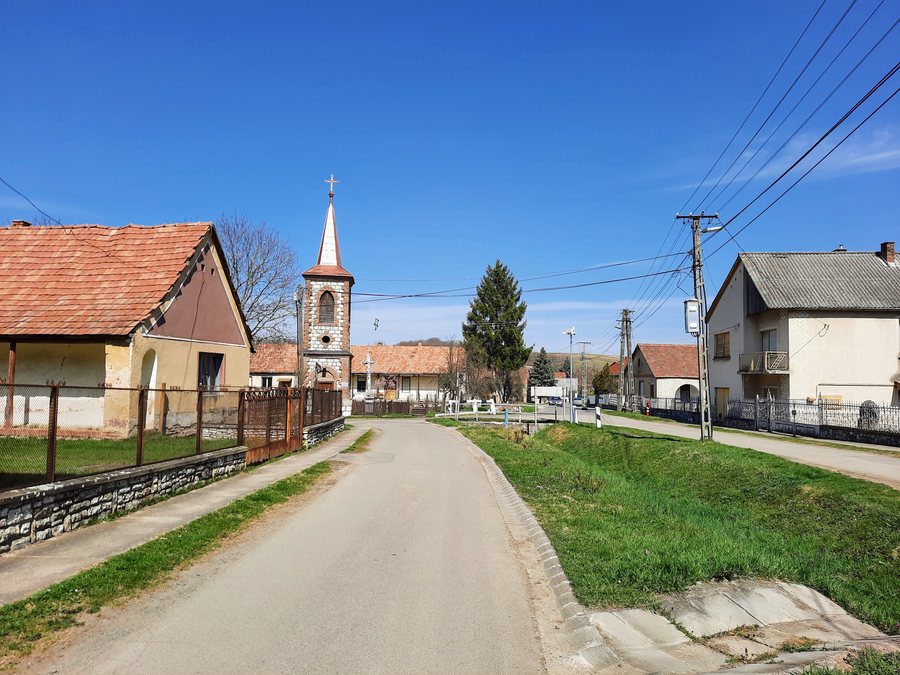
Vékény at a glance
- The Tóth Mill is a protected industrial monument.
- The bell tower was built in the Neo-Baroque style in the early 20th century, funded by donations from villagers.
- The cellar row consists of cellars dug into loess walls along a road.
- On the edge of the village, the Csöpögő Spring feeds a fast-flowing stream with several cascades in a ravine valley.
- Guests can sample wines from local winemakers in the cellar row.
- Vékény has a horse farm offering various services and programs; horseback riding is available.
What do the mill, bell tower and cellar row tell us?
The Tóth Mill connects Vékény with its industrial history: it is protected as an industrial monument. The bell tower tells a different story about the village. Villagers donated funds for its construction in the early 20th century, and it was built in the Neo-Baroque style. The mill and tower represent different aspects of Vékény’s architectural heritage.
Another characteristic architectural feature is the cellar row. Its cellars were dug into loess walls and line a road. This makes it a special focus for anyone interested in traditional building methods and local history. The cellar row is also where guests can sample wines from local winemakers. If a wine tasting is important to your plans, check in advance for current arrangements.
Where are the spring and cascades?
On the edge of Vékény, the Csöpögő Spring lies in a ravine valley. It feeds a fast-flowing stream that has formed a series of smaller and larger cascades there. Alongside the built heritage, a distinctive landscape feature is also a focal point. Here, the spring, valley, stream and cascades form a connected natural feature; the spring is on the edge of the village, not a general description of the entire settlement.
Visitors choosing Vékény based on their own interests can weigh up local history, cellar architecture and a landscape shaped by flowing water. These themes describe different sides of the place: the cellar row and tower tell the story of built structures, while the spring and cascades draw attention to the surroundings.
What experiences does Vékény offer?
Horseback riding is available in Vékény. There is also a horse farm offering various services and programs. If you are planning a particular activity or ride, it is best to check what is currently available in advance. That way, you can include the activity in your travel plans.
Sampling wines from local winemakers offers another way to experience the place: tastings take place in the cellar row, bringing the wine together with the cellars there. Those more interested in architectural history can focus on the mill, bell tower and cellar row; those who prefer natural features can explore a different side of the area through the spring and cascades. Choosing according to your interests can help you discover Vékény with the focus that best suits your trip.
What other cultural attractions are there in Baranya?
In the wider destination of Baranya, Pécs offers its own cultural attractions. The Early Christian Necropolis of Sopianae includes decorated tombs dating from the 4th century. The tombs were built as underground burial chambers with above-ground memorial chapels and decorated with richly detailed Christian wall paintings. This is a different historical focus from the mill, bell tower and cellars in Vékény.
The Zsolnay Cultural Quarter in Pécs also offers a range of attractions, including the “Golden Age of Zsolnay” and “Pink Exhibition” exhibitions, as well as an exhibition on the family and factory history. For children, the quarter also offers outdoor playgrounds, an interactive lab, a planetarium, the Bóbita Puppet Theatre, a ceramics painting workshop and classes at the Hercules Workshop. The freely accessible outdoor area can be entered and used free of charge during opening hours. Vékény and these cultural attractions are different themes to explore within the wider destination of Baranya; the mentioned venues in Pécs are not features of Vékény.
The themes described here can help you choose a destination; assess the specific amenities of each accommodation based on its individual listing.
Discover more destinations: Egyházaskozár, Liget, Magyarhertelend, Magyaregregy, Kárász, Mánfa, Komló, Máza.
FAQ
What is Vékény’s cellar row?
It consists of cellars dug into loess walls and arranged along a road. Guests can sample wines from local winemakers there.
Where are the cascades?
On the edge of Vékény, the Csöpögő Spring feeds a fast-flowing stream in a ravine valley, which has formed a series of smaller and larger cascades.
Can you go horseback riding in Vékény?
Yes, horseback riding is available in Vékény. There is also a horse farm offering various services and programs. Check directly in advance for specific options.
Which cultural attractions in Baranya are outside Vékény?
In Pécs, the Early Christian Necropolis of Sopianae and the Zsolnay Cultural Quarter are among the cultural attractions mentioned. They are independent attractions in the wider destination of Baranya, not facilities in Vékény.
For the broader travel overview: Komlói.

