
Majs: Fishing Lakes and Cultural History
Accommodation in Majs
Majs combines two four-hectare lakes with insights into folk culture and local history.
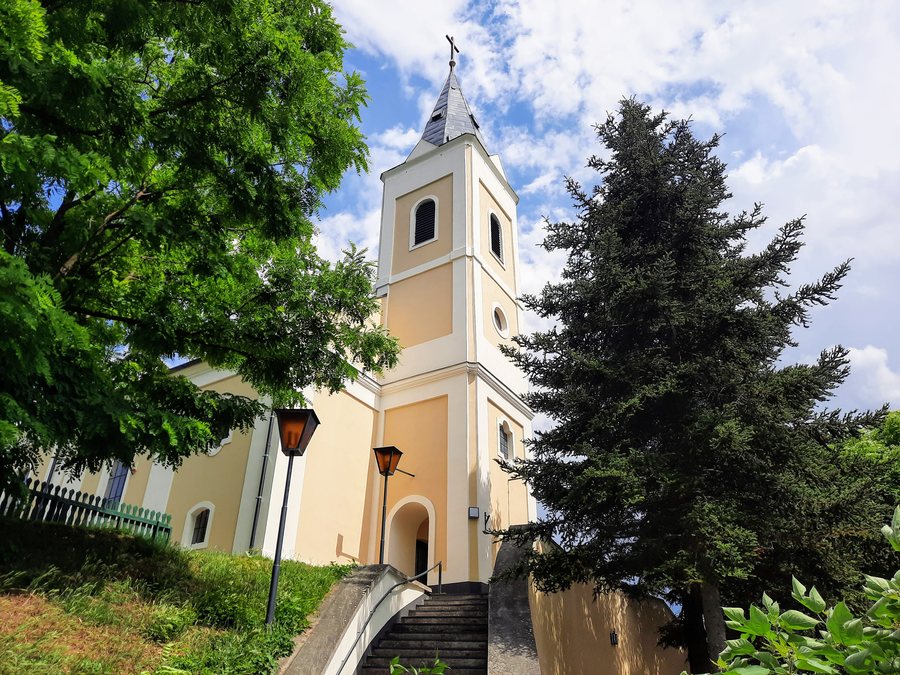 File:Majs, Borromei Szent Károly-templom.jpg
Photo: Györkő Zsombor via Wikimedia Commons, CC BY-SA 4.0
File:Majs, Borromei Szent Károly-templom.jpg
Photo: Györkő Zsombor via Wikimedia Commons, CC BY-SA 4.0
Majs at a glance
- Majsi halastó comprises a regular fishing lake and a second leisure pond, established in 2010.
- The first lake is home to carp, grass carp, catfish and pike; the second has large carp and grass carp.
- The Majsi Német Tájház preserves the heritage of Germans, Upper Hungarians and Serbs.
- The strudel festival is considered an important local event.
What sets the two lakes apart?
The two lakes at Majsi halastó are each four hectares in size. The first is a regular fishing lake; the second, a leisure pond established in 2010, is home to large carp and grass carp. The municipality lists carp, grass carp, catfish and pike as species that can be caught in the first lake. The information about the lakes therefore offers different points of reference for planning your visit: if you are interested in particular fish species, you can compare this list with what the second pond offers.
Fish species and catch opportunities may vary. Check current local conditions before fishing; ask the operator about the rules and availability at the leisure pond. This lets you consider accommodation separately from your specific fishing plans, rather than relying on conditions that have not been verified.
What insights does Majs offer into its history?
Burghardt-Ház features furniture, objects, clothing, photographs and tools dating from the 19th century onward. The Majsi Német Tájház preserves the heritage of Germans, Upper Hungarians and Serbs, who lived peacefully alongside one another and remained connected to their language, culture and traditions. Figures display the everyday and festive clothing of the ethnic groups represented there. Together, these exhibits give a concrete impression of the themes associated with Majs’s cultural heritage.
The Szentháromság monument is also connected with local history: in 1923, the Majsi Hitközség decided to have a monument built. On 9 October 2022, it was blessed by Esperes-Plébános László Bacsmai. The Majs strudel festival is another aspect of the local culture and is considered an important local event. If a festival is important to your travel plans, check the specific event dates in advance.
What else does the wider destination of Baranya offer?
Baranya offers a distinct regional perspective on culture and nature. In Pécs, the Early Christian Necropolis of Sopianae includes decorated tombs from the 4th century: underground burial chambers were connected to above-ground memorial chapels and adorned with Christian murals. Also in Pécs, the Zsolnay Cultural Quarter features the exhibitions “Golden Age of Zsolnay,” “Pink Exhibition” and an exhibition on the history of the family and factory. The activities for children listed there include outdoor playgrounds, an interactive lab, a planetarium, the Bóbita Puppet Theatre, a ceramics painting workshop and classes at the Hercules Workshop.
Another theme is the landscape along the Drava. The Ős-Dráva Visitor Centre near Szaporca combines an interactive exhibition with an agricultural demonstration area, practical farming and three themed educational trails. These introduce visitors to traditional agriculture, the Ős-Dráva Programme and the wildlife along the Drava. The agricultural area features native Hungarian domestic animals, including Hungarian Grey cattle, Mangalica pigs, Hucul horses and old breeds of sheep and poultry. The wilderness trail along the Old Drava has a birdwatching and bird-ringing station, a lookout point, a photography shelter, a covered activity area and several rest stops.
Culture and regional cuisine offer their own highlights: Siklós Castle is one of Hungary’s best-preserved military structures and an important Hungarian Renaissance building. Modernisation of its museum wing opened the previously inaccessible Gothic section to visitors. In Villány’s cellar row, visitors can go from cellar to cellar throughout the year to taste wines and food. These regional themes can help you organise your travel interests without conflating them with the specific offerings in Majs.
Discover more destinations: Feked, Bár, Erdősmárok, Szederkény, Belvárdgyula, Monyoród, Palotabozsok, Véménd.
FAQ
How large are the lakes at Majsi halastó?
Both lakes are four hectares in size. One is a regular fishing lake; the other is a leisure pond established in 2010.
Which fish species are listed for the first lake?
Carp, grass carp, catfish and pike are listed as species that can be caught in the first lake. Fish species and catch opportunities may vary; check current local conditions.
What does the Majsi Német Tájház show?
It preserves the heritage of Germans, Upper Hungarians and Serbs. Figures display the everyday and festive clothing of the ethnic groups represented.
For the wider travel overview: Mohácsi.

