
Palotabozsok: Culture and Railway History
Accommodation in Palotabozsok
Palotabozsok combines religious architectural history, memories of the local railway, and a walking route to a chapel on the outskirts of the village. If you would like to include culture, local history, and landscape in your travel plans, the village offers several specific points of interest to help you plan your visit.
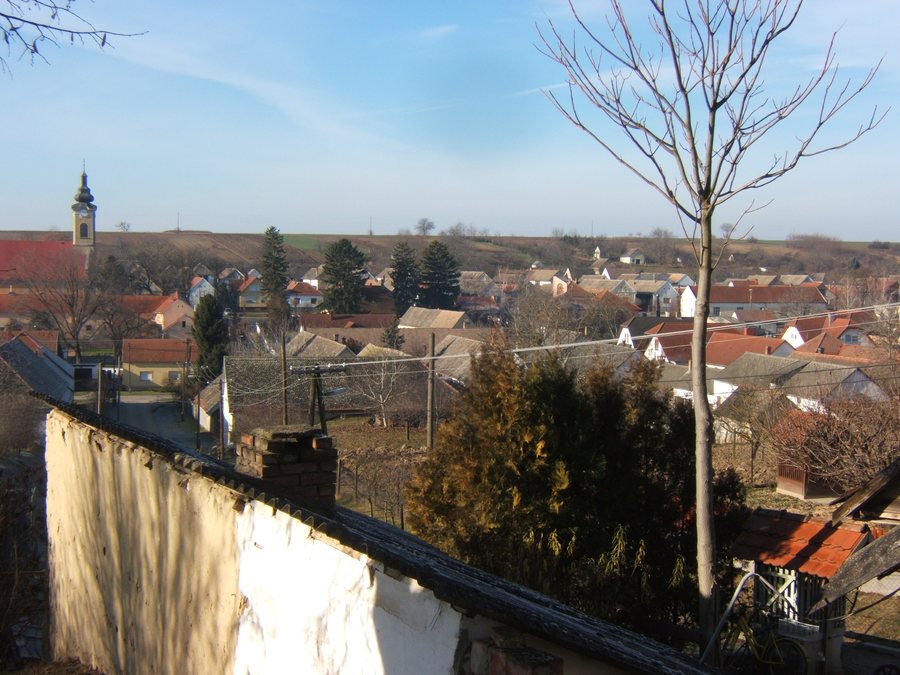
Palotabozsok at a glance
Historical points of interest include the Roman Catholic church, the Reformed prayer house, the Tájház, and the railway museum. The Szent-Rókus Chapel stands on the outskirts of the village; a yellow-marked hiking trail leads there from Palotabozsok. The surrounding area is hilly, with gently sloping land used for agriculture. The historic MÁV railway line No. 64, which connected Pécs and Bátaszék, is also part of the village’s history.
Which religious sites and memories shape the village?
The Roman Catholic church was built between 1760 and 1773. Its organ was built by former parish priest Márton Bezedeki. The Szent-Rókus Chapel also stands on the outskirts of the village; it was built during the 1839 plague epidemic. The trail leading to it is marked yellow and offers a specific way for travelers to combine local history with a hike.
Another religious building is the Reformed prayer house, which was inaugurated in 2003. A distinctive planting in the park commemorates 81 residents who fell between 1914 and 1918: a tree was planted for each of them. The church, chapel, prayer house, and memorial trees each reflect different periods and personal connections to the village’s history. As you explore Palotabozsok, you can consider both its architectural history and its shared remembrance.
Where can you discover local and railway history?
The Tájház is housed in a characteristic local Swabian house. The municipality bought the house in 2009, renovated it, and established it as a local history museum. The museum association’s programs include activities on the German minority and local history. It also offers project days on local history and railways for schoolchildren and young people. These subjects make the local history museum of interest to anyone wishing to learn about the municipality and its German minority.
The Palotabozsok Railway Museum offers another perspective on railway history: it displays various railway objects and memories of the village’s former railway workers. The historic MÁV railway line No. 64, which ran through Palotabozsok and connected Pécs and Bátaszék, adds further context. An association aims to restore and preserve with dignity a Ganz railcar from the 1930s. Together, these subjects offer several perspectives on the railway’s former importance and the people associated with it.
What can you discover on foot in the surrounding area?
The area around Palotabozsok is hilly, with gently sloping land used for agriculture. The yellow-marked hiking trail leads from the village to the Szent-Rókus Chapel on its outskirts. If you are interested in the chapel, you can include this trail as a specific hiking option in your travel plans. The village’s cultural attractions and the trail to the chapel offer different points of interest: you can focus on historic buildings and collections, or also explore the landscape around the village.
The annual village festival is part of community life. It offers entertainment and opportunities to meet for residents and former residents of Palotabozsok. Together with the museum association’s activities and the memorial sites, it helps build a picture of the village that encompasses not only buildings, but also local history and community.
FAQ
When was the Roman Catholic church built?
The church was built between 1760 and 1773. Its organ was made by Márton Bezedeki, a former parish priest.
Where does the yellow-marked hiking trail lead?
The hiking trail leads from Palotabozsok to the Szent-Rókus Chapel on the outskirts of the village.
What does the railway museum display?
It displays various railway objects and memories of the village’s former railway workers.
For the overview of the wider area: Mohácsi.

