
Szakácsi: Churches, Monument and Village Structure
Accommodation in Szakácsi
Szakácsi combines a location at the transition between two landscape regions with a remarkably well-preserved village setting. Churches, a monument and archaeological traces give you different points of interest when choosing the village for its landscape and historical themes.
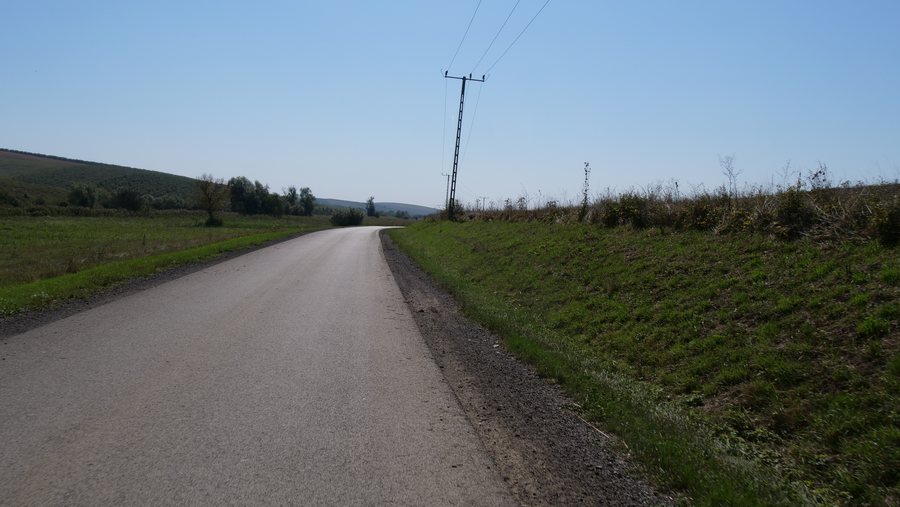
Szakácsi at a glance
- Szakácsi lies at the transition between the Szendrő Mountains and the Cserehát.
- The part of the administrative area located in the mountains is almost entirely forested.
- The old street and plot layout, as well as buildings set along property boundaries, have largely been preserved.
- Local attractions include the Turul monument, the Reformed Church and the Roman Catholic Church.
What landscape and village setting define Szakácsi?
Szakácsi’s location at the transition between the Szendrő Mountains and the Cserehát is one of its defining features. The forest cover should be understood in its precise geographical context: the part of the administrative area located in the mountains is almost entirely forested. The landscape and the village setting thus offer two distinct ways of seeing the place.
The inherited settlement structure is also remarkable. The old street and plot layout, as well as the buildings along property boundaries, have largely been preserved. Along the main road, the houses follow a traditional comb-like layout. Szakácsi has also retained numerous architectural details of the traditional village setting that have already disappeared from other Hungarian villages. This gives you a specific focus when choosing a destination: Szakácsi is particularly well suited to exploring its historic layout and rural architecture.
What historic places and traces can you find?
The Turul monument commemorates the people of Szakácsi who fell in the First World War and is one of the local attractions. The municipality also lists the Reformed Church and the Roman Catholic Church as local attractions. Alongside commemorating the fallen, the religious buildings are central to the local history of the village.
One precisely dated detail is the bell of the Reformed Church: it weighs 120 kilograms, is 55 centimetres high and was cast in 1928. The Roman Catholic chapel was built in the first half of the 18th century. A bell frame and a crucifix stand beside it. Szakácsi’s Catholic place of worship is dedicated to the Feast of the Ascension. These details describe different aspects of the local heritage; they do not imply anything about access to the buildings.
Archaeological traces also form part of the historical picture: remains of a settlement from the Árpád era were found in the vineyards of Pusztafalu in Szakácsi. Together with the 18th-century chapel, the bell cast in 1928 and the memorial to those who fell in the First World War, they create a picture spanning different periods. The evidence ranges from early settlement to specific memorial sites from more recent history.
What interests might make Szakácsi a good choice for a stay?
If you value a preserved village layout, historic architecture and local memorial sites when choosing a travel destination, these themes offer a good starting point for getting to know Szakácsi. Its location between the mountains and the Cserehát is another point of reference in its own right.
Discover more destinations: Viszló, Szuhogy, Aggtelek, Szögliget, Becskeháza, Irota, Szendrő, Tornaszentandrás.
FAQ
Between which landscapes is Szakácsi located?
Szakácsi lies at the transition between the Szendrő Mountains and the Cserehát. The part of the administrative area located in the mountains is almost entirely forested.
What does the Turul monument commemorate?
It commemorates the people of Szakácsi who fell in the First World War.
What are the dimensions of the Reformed Church bell?
The bell weighs 120 kilograms, is 55 centimetres high and was cast in 1928.
What archaeological traces have been found in Szakácsi?
Traces of a settlement from the Árpád era were found in the vineyards of Pusztafalu in Szakácsi.
Go to the main travel overview: Edelényi.

