
Ziliz – Oak Tree and Church History
Accommodation in Ziliz
A more than thousand-year-old oak tree and a Reformed church with medieval structural elements give nature and history enthusiasts concrete points of interest in Ziliz. A historical trace of the Bódva Valley Railway is also part of the town’s history.
Key facts about Ziliz
- The more than thousand-year-old pedunculate oak on Kert-tető above Ziliz is considered a local landmark. It was added to the register of nature reserves in 1961.
- The municipality describes the oak as still living, but with several lost branches; lightning has also damaged the tree.
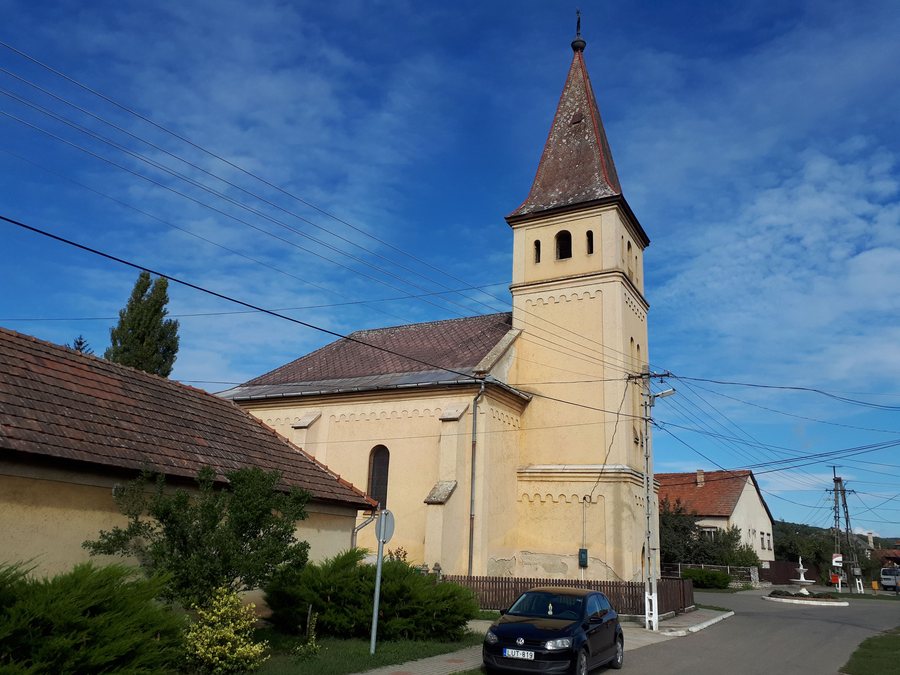
- The Reformed church was built in 1804–1805 using older medieval structural elements.
- The Bódva Valley Railway was completed in the late 19th century. Its station was outside the built-up area, 1.5 kilometres from Ziliz, and was associated with the village.
What makes the old oak remarkable?
The oak’s great age, local significance and described condition all come together. It is considered more than a thousand years old and a local landmark; it is also still living, though it has lost several branches and was damaged by lightning. These details paint a picture of an old but not undamaged tree. Its entry in the register of nature reserves in 1961 adds a historical record of protection to its natural history.
When choosing a theme, the oak can be associated with the natural side of Ziliz, while the Reformed church offers an architectural and historical perspective. Both provide different ways to explore the place.
How does the church bring together different building periods?
The period 1804–1805 refers to the construction of the Reformed church. Older medieval structural elements were used in its construction. This brings together two widely separated building periods in a single structure: the medieval fabric and the church built in the early 19th century.
This distinction is useful for understanding the building: its construction date does not indicate the age of every part of it. Rather, the church combines its 19th-century construction period with older elements. This adds a concrete example of architectural development to the town’s history, alongside its natural landmark.
What does the historic railway station tell us about Ziliz?
The Bódva Valley Railway was completed in the late 19th century. The station, which was associated with the village, was outside the built-up area and 1.5 kilometres from Ziliz. These details distinguish the station’s location from its association with the village: the station was outside the built-up area, but was part of the local context.
As part of the area’s historical geography, the railway station complements its natural and architectural history. The recorded distance refers to the station’s location in relation to Ziliz; it does not describe travel time or transport services.
What else is there to explore in Borsod-Abaúj-Zemplén?
The wider destination of Borsod-Abaúj-Zemplén offers other natural and cultural highlights. The Baradla-Domica cave system is part of the UNESCO World Heritage site Caves of the Aggtelek and Slovak Karst. The short Aggtelek Cave Tour is 1 kilometre long, takes 60 minutes and is rated easy. A nature trail connects the entrances to Baradla Cave in Aggtelek and Jósvafő and presents the area’s natural and cultural-historical values.
For wildlife watching, consider the Hucul herd on the pastures of Gergés-lápa. The area is about 1.5 kilometres north of Jósvafő; the herd can be visited year-round. As animal-care routines may change, check visitor arrangements before planning your visit.
The examples have different focuses: the cave tour has a stated length and duration, the nature trail connects two entrances and presents information, while the Hucul herd is an opportunity to observe animals. This makes it possible to explore the wider regional setting according to your interests, without confusing these experiences with Ziliz’s own sights.
Discover more destinations: Bódvarákó, Perkupa, Szuhogy, Szakácsi, Égerszög, Jósvafő, Edelény, Viszló
FAQ
How old is the oak on Kert-tető?
It is considered more than a thousand years old and a local landmark. The municipality describes it as still living, but with several lost branches; it was also damaged by lightning.
When was the Reformed church in Ziliz built?
The church was built in 1804–1805 using older medieval structural elements.
What is known about the Bódva Valley Railway station?
The railway was completed in the late 19th century. The station associated with the village was outside the built-up area and 1.5 kilometres from Ziliz.
Go to the wider travel overview: Edelényi.

