
Discover Komlóska: Culture and Hiking Trails
Accommodation in Komlóska
Komlóska brings together distinctive examples of Rusyn material culture, sacred art, and a hiking destination on Pusztavár Hill.
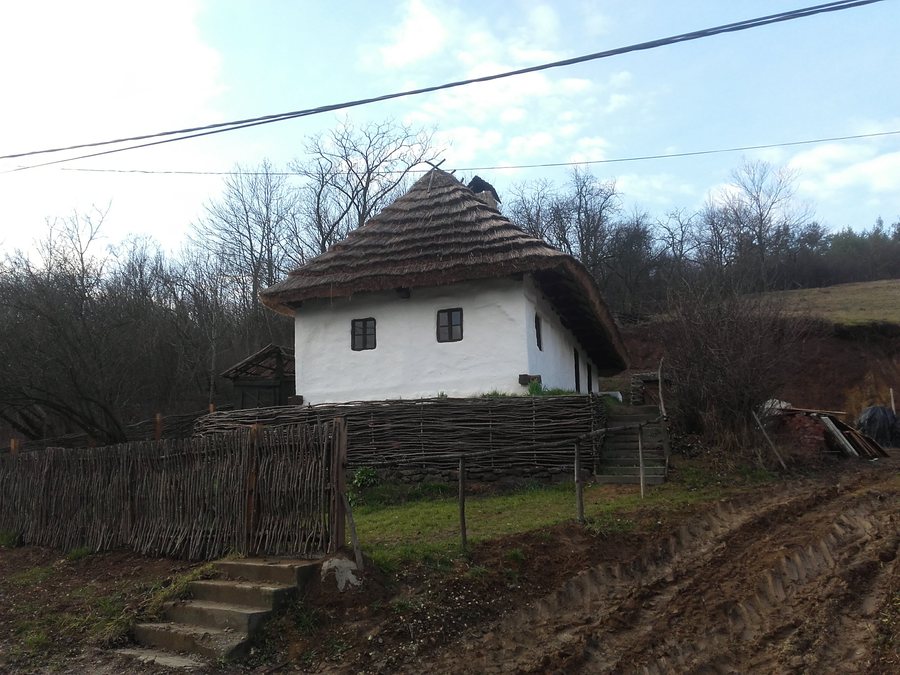
Komlóska at a glance
- The Ruszin Tájház has been operated as a museum since 1980.
- In the house’s room, a kabolás kemence with an attached masina has been preserved in its original form.
- The vault paintings in the Greek Catholic church depict biblical scenes.
- The ruins of Solymos vár castle lie on Pusztavár Hill.
- Rákóczi Spring is the eighth stop on the nature trail.
What cultural traces shape Komlóska?
At the Ruszin Tájház, a kabolás kemence with an attached masina has been preserved in its original form. This installation is considered the only example of its kind in Hungary. That makes the house a specific place to visit for anyone interested in traditional material culture: a single, precisely named furnishing is the focus here. The museum has been in operation since 1980; this date describes its history as a museum.
The Greek Catholic church also offers a clearly defined art-historical subject. In the nave, the vault paintings depict the Epiphany and the Resurrection; in the sanctuary, the Coronation of Mary is shown. Those interested in religious imagery can consider how these motifs are arranged within the church. Together with the Tájház, they offer two distinct ways to explore local history: preserved furnishings on the one hand, and paintings of religious scenes on the other.
What should you plan for the walk to Pusztavár and the spring?
The hike to Pusztavár can begin at the bus stop in front of Sólyomvár-lak in Komlóska. Check conditions locally before setting out. The ruins of Solymos vár, also known by its medieval name, are on Pusztavár Hill.
Another point of reference is Rákóczi Spring: it is the eighth stop on the nature trail. The spring water is considered clear and drinkable; check the water quality locally before drinking it. The spring stop and the starting point for the hike to Pusztavár are two useful details for planning your trip.
How can you choose accommodation suited to your interests?
Base your search on what interests you most in Komlóska. If local history is your main focus, consider the Ruszin Tájház and the church with its vault paintings. If you plan to visit Pusztavár, the bus stop in front of Sólyomvár-lak is the named starting point for the hike. Compare the location details and current availability in the listings before making your choice.
What else does the wider destination have to offer?
The wider destination of Borsod-Abaúj-Zemplén offers other nature and culture themes to consider when comparing trips. The Zemplén Landscape Protection Area is part of the Zemplén Mountains; the local landscape influences its plant and animal life. The Baradla-Domica Cave System offers a different focus and is part of the UNESCO World Heritage-listed Caves of the Aggtelek Karst and Slovak Karst. The short Aggtelek Cave Tour is one kilometre long, takes 60 minutes, and is classified as easy.
For more destinations, also discover: Sárazsadány, Vajdácska, Háromhuta, Makkoshotyka, Erdőhorváti, Vámosújfalu, Sárospatak and Bodrogolaszi.
FAQ
What special furnishings can be found in the Ruszin Tájház?
In the house’s room, a kabolás kemence with an attached masina has been preserved in its original form. It is considered the only example of its kind in Hungary.
Where can the hike to Pusztavár begin?
The stated starting point is the bus stop in front of Sólyomvár-lak in Komlóska. Check conditions locally before setting out.
Is the water of Rákóczi Spring drinkable?
The water is considered clear and drinkable. Check the water quality locally before drinking it.
To the wider travel overview: Sárospataki.

