
Pér: Church and Péri Fishing Lake
Accommodation in Pér
Two distinct local attractions are relevant when planning a trip to Pér: the Catholic church with its Baroque furnishings, and Péri Fishing Lake, which is listed as a sight. This makes it possible to distinguish the town’s cultural heritage from its lake-related appeal before looking at the broader regional context.
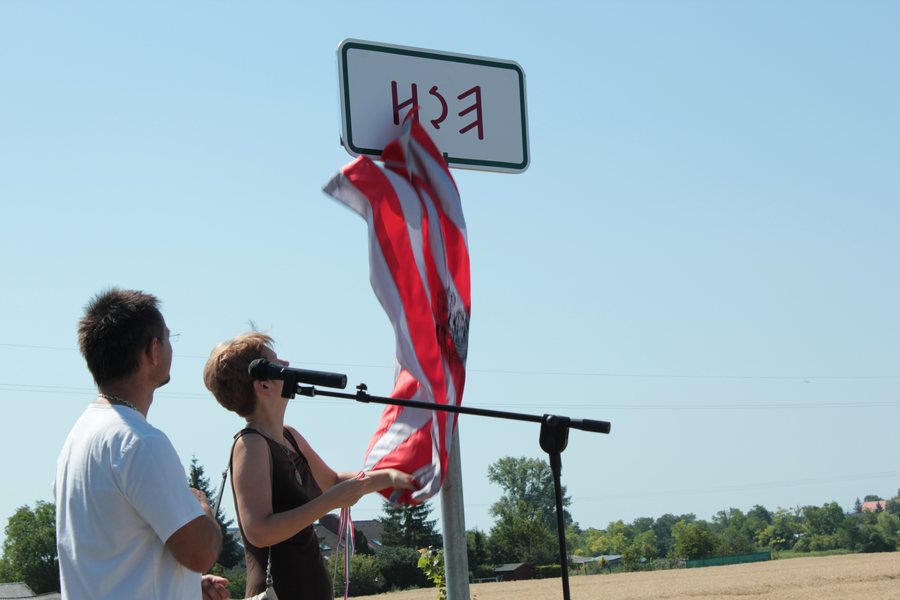 File:Rovastabla avatas Per.jpg
Photo: Rovas Foundation / Rovás Alapítvány via Wikimedia Commons, CC BY-SA 3.0
Key facts about Pér
- Construction of the Catholic church began in 1734 and was completed in 1735.
- Beside the main altar are 1.5-meter-tall Baroque statues of Saint Adalbert and Saint John of Nepomuk.
- Péri Fishing Lake is listed as a sight in Pér.
What history and art does the church in Pér offer?
The construction period of the Catholic church is clearly defined as 1734–1735. Statues of Saint Adalbert and Saint John of Nepomuk stand beside the main altar. At 1.5 meters tall each, and described as Baroque, they provide specific artistic points of interest in the church interior.
When planning your trip, you can consider the building’s history and furnishings as two distinct aspects: the dates place the construction in context, while the named figures make the theme of religious art tangible. Those interested in historic churches will find more than just a date; the two saints and the Baroque design are clearly identified features.
What should you know about Péri Fishing Lake?
Péri Fishing Lake is listed as a sight in Pér. This provides a distinct lake-related theme alongside the town’s ecclesiastical history, which you can take into account when choosing your travel interests. The local attractions offer different focuses without promising the same experience: the church is notable for its history and statues, while the lake is listed as a sight.
If you are planning to visit the lake or go fishing, check current access and the relevant conditions in advance. This lets you include the lake in your plans without making assumptions about specific opportunities to visit.
What regional themes does the broader travel destination of Győr-Moson-Sopron add?
The broader travel destination of Győr-Moson-Sopron offers both natural and cultural themes. The Fertő/Neusiedler See Cultural Landscape includes Eurasia’s westernmost steppe lake, as well as wetlands, saline soils, reed beds, and shoreline areas. Lake Neusiedl forms the core of Fertő-Hanság National Park; the Hungarian part of the lake has been protected since 1977. The Fertő-táj Cultural Landscape was granted UNESCO World Heritage status on December 13, 2001.
Another natural highlight is the Pannonhalmi Tájvédelmi Körzet Landscape Protection Area, covering 8,272 hectares. It includes the Pannonhalma Hills and the calcareous sand steppes of Kisalföld. The hills consist of three roughly parallel ridges: Szemere, Csanak, and Pannonhalma. This makes it possible to distinguish wetlands, reeds, and shoreline areas on the one hand, and hills and sand steppes on the other, as different natural themes.
What cultural and nature experiences are available in the region?
Pannonhalma Archabbey was founded in 996. The World Heritage property includes the monastic complex, the basilica, educational buildings, the Chapel of Our Lady, the Millennium Chapel, and botanical and herb gardens. Esterházy Palace in Fertőd is an outstanding example of Hungarian Baroque-Rococo palace architecture. The two examples offer different cultural highlights: a monastic complex with its various buildings and gardens, and palace architecture.
There are also different ways to enjoy the landscape and observe wildlife. Várhely lookout offers views to the northeast of Sopron, Sopron-Bánfalva, Bécsi-domb, Lake Neusiedl, and the Mosoni Plain. An electric boat trip on Lake Neusiedl explores reed channels and bays along the lake’s western side. You may see aquatic wildlife, reed warblers, great egrets, purple herons, and various ducks. Dates and booking conditions may change; check them before planning.
Scheduled buses run daily from the bus station in Győr to the main entrance of Pannonhalma Archabbey. Check the current timetable before your trip. Discover more destinations: Nagybajcs, Kisbajcs, Dunaszeg, Öttevény, Győrzámoly, Abda, Nyúl and Gönyű.
FAQ
When was the Catholic church in Pér built?
Construction began in 1734 and was completed in 1735.
What is known about Péri Fishing Lake?
It is listed as a sight in Pér. If you are planning to visit or go fishing, check current access and conditions beforehand.
Which birds can be seen on an electric boat trip on Lake Neusiedl?
The birds named are reed warblers, great egrets, purple herons, and various ducks. Aquatic wildlife can also be observed. Dates and booking conditions may change; check them in advance.
Go to the broader travel overview: Győr.

