
Discover Écs: Church, Landscape and Travel Planning
Accommodation in Écs
Écs offers culture enthusiasts and cycling travellers specific points of interest: its parish church dates from the Árpád era, and a 45-kilometre cycling tour passes through the town. The landscape around the Pannonhalmi-dombság section is also useful for orientation.
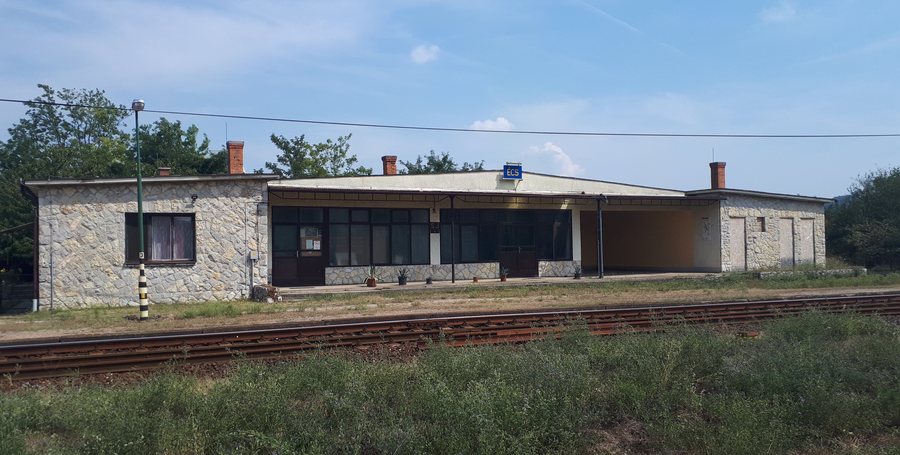
Écs at a glance
- The parish church of Écs dates from the Árpád era.
- The films by the Écsi Értéktár were shown for the first time on 27 June 2026 at the Écsi Értéktárnap and are available on the Écsi Értéktár website.
- Écs is one of the settlements in the Pannonhalmi-dombság section of the Pannonhalmi Tájvédelmi Körzet.
- A 45-kilometre cycling tour passes through Écs and other towns before returning to Győr.
What do the church and the Écsi Értéktár tell us about the town?
The parish church offers a historical point of reference: its origins date back to the Árpád era. Those interested in the town’s history and cultural life can also find films by the Écsi Értéktár online. They were first presented on 27 June 2026 at the Écsi Értéktárnap. This date refers to that event; you can watch the films themselves on the Écsi Értéktár website.
These offer different ways to explore Écs: the church points to the town’s long history, while the films provide another way to learn about it. You can take both into account whether your main aim is to discover its culture or to consider Écs as a stop on a cycling tour.
How does the landscape around Écs fit in?
Écs is one of the settlements in the Pannonhalmi-dombság section of the Pannonhalmi Tájvédelmi Körzet. The landscape protection area has two main zones: the Pannonhalmi Hills and the calcareous sand steppes of the Kisalföld. The Pannonhalmi Hills, in turn, consist of three roughly parallel ranges: Szemere, Csanak and Pannonhalma.
What other themes does the wider Raab-Wieselburg-Ödenburg destination offer?
The wider Raab-Wieselburg-Ödenburg destination offers distinct cultural and landscape themes. The Benedictine monastery in Pannonhalma was founded in 996. The World Heritage property of the Archabbey and its natural surroundings includes the monastic complex, the basilica, educational buildings, the Chapel of Our Lady, the Millennium Chapel, and botanical and herb gardens.
The Fertő/Neusiedler See cultural landscape offers a different landscape focus. It encompasses Eurasia’s westernmost steppe lake, as well as wetlands, saline soils, reed beds and shoreline areas. The Fertő-táj cultural landscape received UNESCO World Heritage status on 13 December 2001. The Hungarian part of Lake Neusiedl has been protected since 1977; the lake forms the core of Fertő-Hanság National Park.
For planning purposes, Écs can be explored through its own church, the Értéktár films and the cycling tour. The monastic complex and the landscape around Lake Neusiedl offer additional, distinct themes within the wider destination.
What role does Écs play on a cycling tour?
The cycling tour described is 45 kilometres long. It starts in Győr, passes through Győrújbarát, Tényő, Sokorópátka, Ravazd, Pannonhalma and Écs, then goes through Nyúl before returning to Győr. Écs is therefore a named place on the route. If you are planning the loop, check the current route conditions in advance.
Discover more destinations: Pannonhalma, Győrság, Bakonyszentlászló, Pázmándfalu and Fenyőfő.
FAQ
What period does the parish church of Écs date from?
The parish church of Écs dates from the Árpád era.
When were the films by the Écsi Értéktár first shown?
They were first presented on 27 June 2026 at the Écsi Értéktárnap. The films are available on the Écsi Értéktár website.
How long is the cycling tour through Écs?
The loop described is 45 kilometres long. It passes through several places, including Pannonhalma, Écs and Nyúl, before returning to Győr.
To the wider travel overview: Pannonhalmai.

