
Fertőszentmiklós: Church, Chapel and Lookout Tower
Accommodation in Fertőszentmiklós
Fertőszentmiklós can be understood through three distinct points of reference: the old church with its Gothic side walls, the Szeredi Chapel as a place of pilgrimage, and the lookout tower opened in 2014. Building history, religious tradition and a more recent structure each provide a different focus.
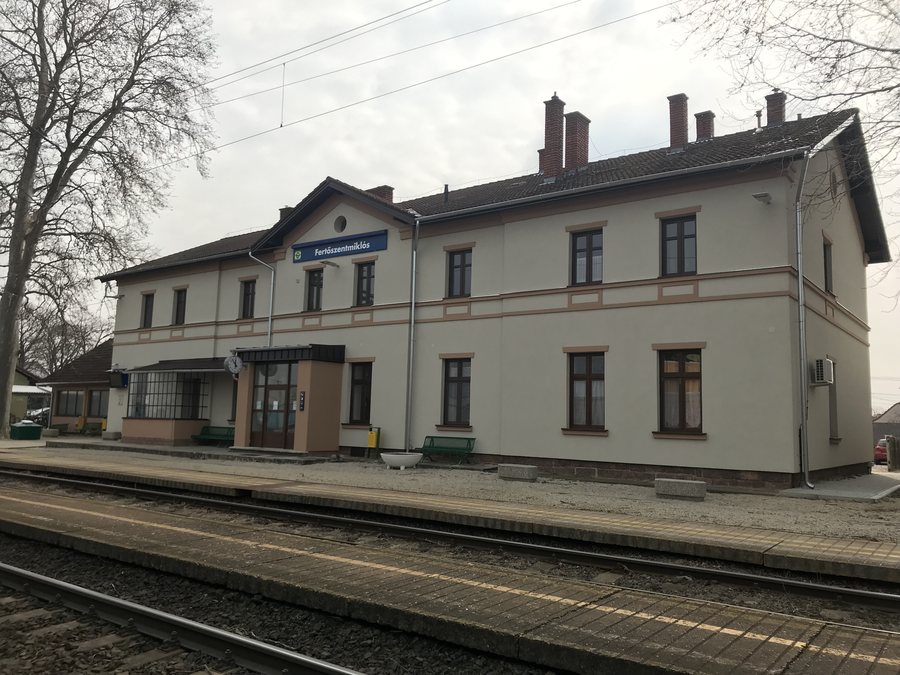
Fertőszentmiklós at a glance
- The Turkish army advancing on Vienna burned down the old church in 1683. It was rebuilt in a Baroque style around 1724; its Gothic side walls originally date from the 13th century.
- The Szeredi (Bezerédj) Chapel has been a place of pilgrimage for more than five centuries. Its feast day falls on the third Sunday in September, the Feast of Our Lady of Sorrows.
- The lookout tower on Agghegy utca, next to the cemetery, opened in 2014. It is about 12 metres high and free to access; check current access arrangements before your visit.
What is the history of the old church?
The year 1683 marked a turning point: the Turkish army advancing on Vienna burned down the old church. It was rebuilt around 1724 in a Baroque style. At the same time, its Gothic side walls originally date from the 13th century. The church therefore represents more than one phase of construction.
To understand its history, it helps to distinguish the building elements from the overall style: the age of the side walls points to the 13th century, while the Baroque style reflects the rebuilding around 1724. The later date therefore does not apply to every part of the old church. Those interested in architectural history will find a specific sequence here: older Gothic elements followed by a later, Baroque-style form.
What characterizes the Szeredi Chapel?
The Szeredi (Bezerédj) Chapel in Fertőszentmiklós has been a place of pilgrimage for more than five centuries. Its feast day falls on the third Sunday in September and is the Feast of Our Lady of Sorrows. Thus, a long pilgrimage tradition and a specific date in the calendar serve as two distinct points of reference.
Stations of the Cross were erected behind the chapel in 1980. The occasion was the 500th anniversary of the placement of the devotional statue; the stations were funded by donations from the faithful. This detail connects a specific location behind the chapel with a dated history. The anniversary referred to the placement of the devotional statue.
The church and chapel offer different cultural points of interest: the old church is notable for its Gothic side walls and Baroque-style rebuilding. The chapel is associated with pilgrimage, its feast day and the Stations of the Cross. For your visit, this means that architectural history and religious tradition represent two distinct interests in Fertőszentmiklós.
What should you know about the lookout tower?
The lookout tower is on Agghegy utca, next to the cemetery. Its opening in 2014 and approximate height of 12 metres make it a more recent, clearly dated point of reference in the town. Access is free. Check current access arrangements before your visit.
What does the wider destination have to offer?
Within the wider destination of Győr-Moson-Sopron, the Fertő/Neusiedler See Cultural Landscape is a distinct natural point of interest. It encompasses Eurasia’s westernmost steppe lake, as well as wetlands, saline soils, reed beds and shore areas. Lake Neusiedl forms the core of Fertő-Hanság National Park; the Hungarian part of the lake has been protected since 1977. The Fertő-táj Cultural Landscape was granted UNESCO World Heritage status on 13 December 2001.
Another cultural point of interest within the wider destination of Győr-Moson-Sopron is Pannonhalma Archabbey. The Benedictine monastery was founded in 996. The World Heritage site includes the monastic complex, the basilica, educational buildings, the Chapel of Our Lady, the Millennium Chapel, and botanical and herb gardens.
Discover more destinations: Petőháza, Szakony, Zsira, Sopron, Fertöd, Kópháza, Fertőhomok and Hegykő.
FAQ
Which parts of the old church date from the 13th century?
The side walls are Gothic and originally date from the 13th century. The Baroque-style form was created during the rebuilding around 1724.
When is the feast day of the Szeredi Chapel?
The feast day is the third Sunday in September, the Feast of Our Lady of Sorrows.
Where is the lookout tower, and how tall is it?
It is on Agghegy utca, next to the cemetery, and is about 12 metres high.
Go to the overview of the wider destination: Sopron–Fertőd.

