
Discover Fertőd
Accommodation in Fertőd
Fertőd is shaped above all by Esterházy Palace and its connection to Joseph Haydn. Alongside this princely cultural history, the town offers other distinctive attractions: an exhibition, an escape room, a room filled with teddy bears, and a cycling route to Austria.
Fertőd at a glance
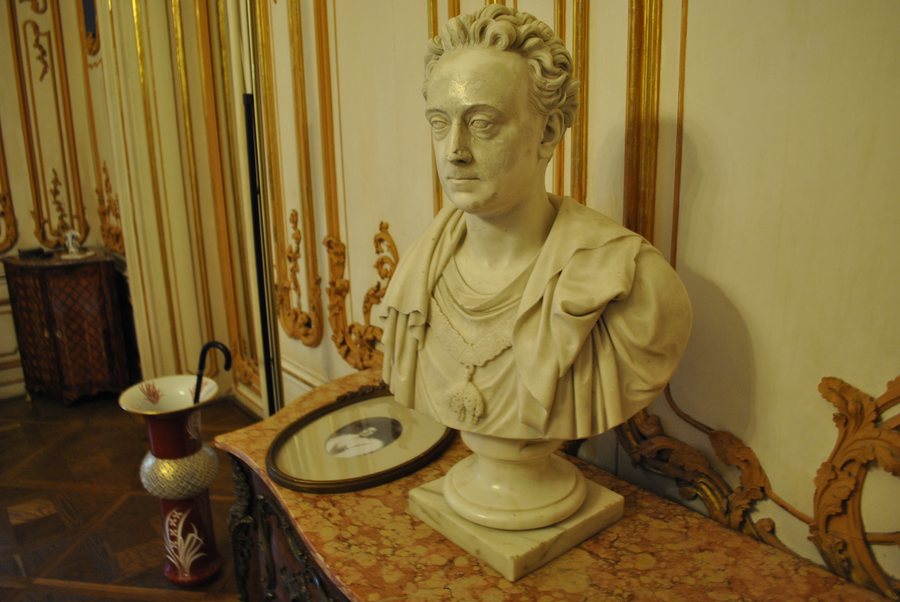
Esterházy Palace is Fertőd’s most important landmark and an outstanding testament to princely patronage of the arts in Hungary. Joseph Haydn lived at the Eszterháza-Muzsikaház from 1769 to 1790, for nearly two decades, in the service of Esterházy Miklós; a memorial room there commemorates him. The palace chapel is also one of the town’s cultural landmarks: it was recently restored and received a Europa Nostra Award.
What does Fertőd tell us about Haydn and palace culture?
Haydn’s long stay at the Eszterháza-Muzsikaház gives the town a tangible connection to music history. Those interested in his life and work can visit the memorial room as a dedicated point of interest. Esterházy Palace is also an exceptional testament to the cultural landscape of Fertő/Lake Neusiedl. It links the town’s history with princely patronage of the arts and is not just a single building, but Fertőd’s most important landmark.
The palace thus shapes the cultural character of the destination, while Haydn’s stay offers a biographical perspective. Fertőd regularly hosts concerts, festivals and artistic events connected with Haydn’s intellectual legacy. Those considering a trip with a cultural focus will find both historical points of interest and events that draw on this heritage.
What other experiences are there in the town?
Fertőd’s attractions are quite distinct from one another. AktiVár is a six-storey interactive exhibition focused on sensory perception. RejtekZóna, by contrast, takes the form of an escape room themed around the Soviet military occupation. The “Brummogó” room houses more than 4,000 teddy bears. Each of these three places appeals to different interests and complements the palace and Haydn themes with its own reasons to visit.
Another distinctive attraction is LátZoom: the observation platform is attached to the 22-metre-high, six-storey tower of KalandBirodalom. Together, the tower and platform offer a separate point of interest in Fertőd. Two churches can also be distinguished by their individual features: the Roman Catholic Szent-András Church in the Süttör district is Neo-Gothic; the Roman Catholic Szent-Kereszt-Felmagasztalása Church in the Eszterháza district was built in 1986.
What role do nature and cycling play?
The Fertő-Hanság National Park is located near Fertőd and is known for its valuable and rare flora and fauna. For travellers who want to include nature alongside culture in their plans, this nearby national park adds a natural attraction to the town’s points of interest.
Cyclists also have a specific cross-border route: a cycle path connects Fertőd with Austria via the Fertőd–Pamhagen (Pomogy) border crossing. This connection may factor into the choice of destination for travellers interested in cycling and crossing between Hungary and Austria.
Which other places can you compare?
If you would like to compare other destinations, you can also find Nagycenk, Hidegség, Kópháza, Fertőszentmiklós, Agyagosszergény, Fertorakos, Sopron and Ágfalva.
FAQ
How long did Joseph Haydn live in Fertőd?
Haydn lived at the Eszterháza-Muzsikaház from 1769 to 1790, for nearly two decades, in the service of Esterházy Miklós.
What is Esterházy Palace known for?
It is Fertőd’s most important landmark and an outstanding testament to princely patronage of the arts in Hungary and to the cultural landscape of Fertő/Lake Neusiedl.
Which special places complement the cultural offerings?
They include the sensory-focused AktiVár exhibition, the themed escape room RejtekZóna and the “Brummogó” room with more than 4,000 teddy bears.
Is there a cycling route to Austria?
Yes. A cycle path connects Fertőd with Austria via the Fertőd–Pamhagen (Pomogy) border crossing.
For the broader travel overview: Sopron–Fertőd.

.JPG)