
Pusztacsalád – Local History and Woodland Landscape
Accommodation in Pusztacsalád
You can get to know Pusztacsalád through its main street, historic local sights, and the surrounding forests.
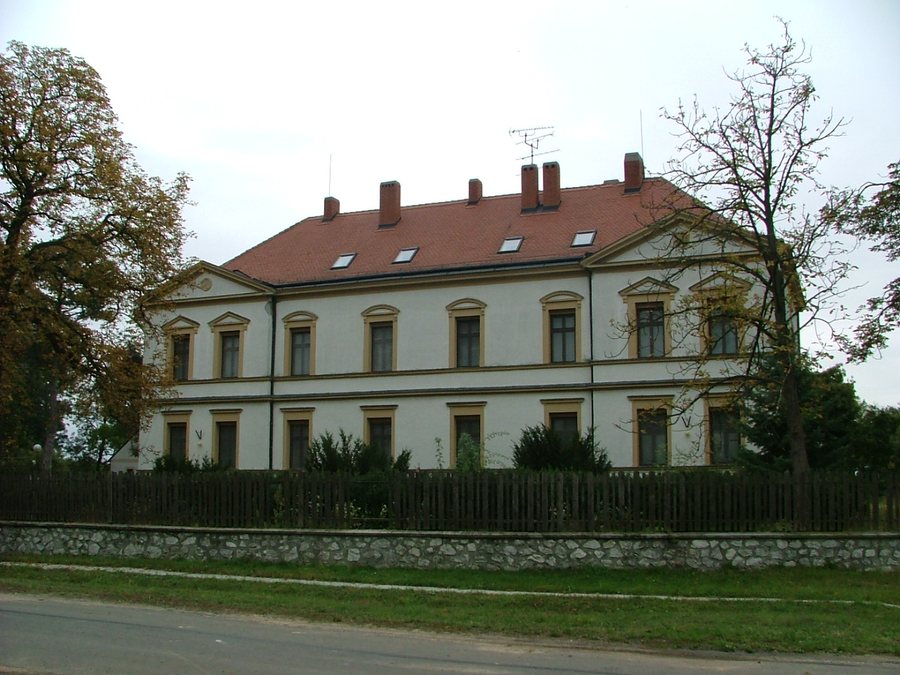 File:Pusztacsalád Heller-kastély.jpg
Photo: The original uploader was Sóhivatal at Hungarian Wikipedia . via Wikimedia Commons, CC BY-SA 3.0
File:Pusztacsalád Heller-kastély.jpg
Photo: The original uploader was Sóhivatal at Hungarian Wikipedia . via Wikimedia Commons, CC BY-SA 3.0
Pusztacsalád at a glance
- The village’s main street is Route 8621.
- The statue of Saint Stephen was erected in 1860; the Roman Catholic church was built in the first half of the 18th century.
- Pusztacsalád is surrounded by oak, acacia, and pine forests.
Where does Pusztacsalád fit into the road network?
Route 8621 runs through Pusztacsalád as its main street. Near Vitnyéd, it branches off from Main Road 85 and continues to Iván. These details provide a specific reference for planning your route: Route 8621 is the road through the village, while Main Road 85 marks the stated starting point near Vitnyéd. Check the current route before setting off.
When deciding where to stay, it may help to consider the village visit and other travel ideas separately.
What historic sights can you find in the village?
The statue of Saint Stephen in Pusztacsalád dates from 1860. Together with the Roman Catholic church, built in the first half of the 18th century, it gives the village two distinct historical points of reference. One is a dated monument; the other is a church building from an earlier period.
The church houses a gilded silver chalice. Scenes from the stations of Christ’s interrogation are depicted on its foot. Alongside the building’s history, the material and imagery of a sacred object also take center stage. Those interested in art and church history will find a specific detail here that goes beyond the building’s date alone.
What kind of landscape defines Pusztacsalád?
Pusztacsalád is surrounded by oak, acacia, and pine forests. This offers a straightforward sense of the landscape setting for your trip, distinct from the village’s historic sights.
The wider travel destination of Győr-Moson-Sopron County offers another regional perspective. Its themes should not be equated with Pusztacsalád’s local features. The Fertő/Neusiedler See cultural landscape includes wetlands, saline soils, reed beds, and shore areas; Lake Neusiedl forms the core of Fertő-Hanság National Park. The Hungarian part of the lake has been protected since 1977. This makes it possible to distinguish the region’s landscape from the woodland surroundings of Pusztacsalád.
Which cultural and landscape destinations are part of the wider region?
The wider travel destination of Győr-Moson-Sopron County includes other cultural points of interest. The Benedictine Abbey of Pannonhalma was founded in 996. The World Heritage property includes, among other things, the monastic complex, the basilica, educational buildings, the Chapel of Our Lady, and botanical and herb gardens. In Fertőd, Esterházy Palace is a significant example of Hungarian Baroque-Rococo palace architecture. These examples give the wider region a historical and architectural dimension that extends beyond Pusztacsalád’s local history.
The landscapes in the wider travel destination also differ from one another: the Pannonhalma Hills consist of the almost parallel Szemere, Csanak, and Pannonhalma hill ranges. Várhely lookout offers views of Sopron, Sopron-Bánfalva, Bécsi-domb, Lake Neusiedl, and the Moson Plain. When choosing your trip, these regional landscapes and views can complement your local impressions; however, they do not describe Pusztacsalád’s immediate surroundings.
What should you weigh up when looking for accommodation?
First, consider whether your trip will focus mainly on Pusztacsalád’s history and woodland landscape, or also on the cultural and landscape themes of the wider travel destination of Győr-Moson-Sopron County. You can then compare the available hotel offers according to your personal requirements.
The regional program also includes an electric boat trip on Lake Neusiedl, exploring reed channels and bays on its western side. During the trip, you can observe aquatic wildlife, reed warblers, great egrets, purple herons, and various ducks. If you would like to include this activity in your travel plans, check the dates and booking conditions in advance.
Discover more destinations: Petőháza, Ágfalva, Fertorakos, Hegykő, Fertöd, Sopron, Nagycenk, and Sarród.
FAQ
Which road runs through Pusztacsalád?
Route 8621 runs through the village as its main street. Near Vitnyéd, it branches off from Main Road 85 and continues to Iván.
What historical details are mentioned about Pusztacsalád?
The statue of Saint Stephen was erected in 1860. The Roman Catholic church dates from the first half of the 18th century and houses a gilded silver chalice depicting scenes from the stations of Christ’s interrogation.
Which types of forest surround the village?
Pusztacsalád is surrounded by oak, acacia, and pine forests.
Which regional themes complement a visit to the village?
In the wider travel destination of Győr-Moson-Sopron County, these include the Benedictine Abbey of Pannonhalma, Esterházy Palace in Fertőd, and the landscapes around Lake Neusiedl. These regional destinations should be distinguished from Pusztacsalád’s local features.
View the wider travel overview: Sopron–Fertőd.

