
Feldebrő: Church, Wine and Cycling Route
Accommodation in Feldebrő
Feldebrő can be understood through its architectural history, cycling and wine. When planning your trip, you can choose the topics that interest you most: the Romanesque church and crypt, a cycling route through the Tarna Valley, or Debrői Hárslevelű wine, which is associated with the town.
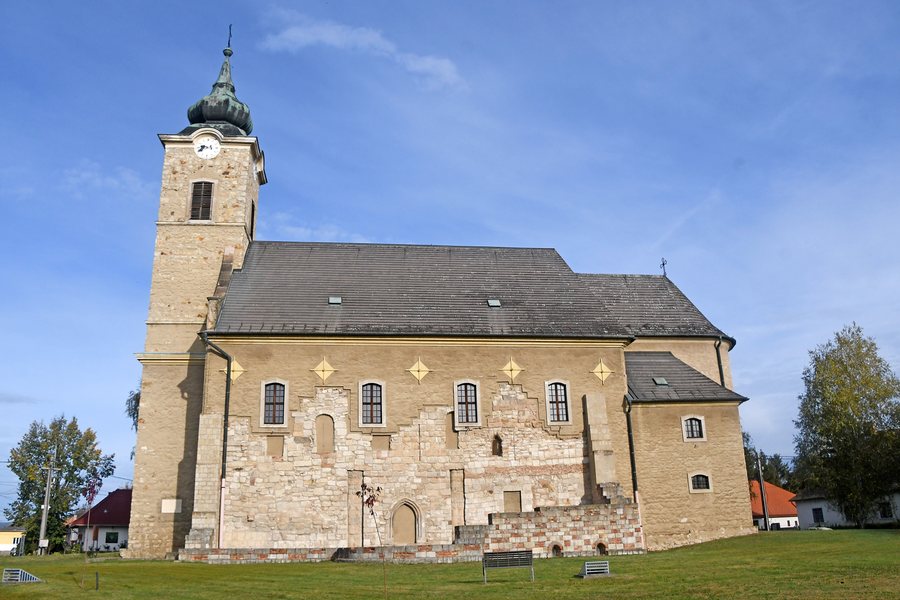 File:Feldebrő, római katólikus templom 2023 04.jpg
Photo: Pasztilla aka Attila Terbócs via Wikimedia Commons, CC BY-SA 4.0
File:Feldebrő, római katólikus templom 2023 04.jpg
Photo: Pasztilla aka Attila Terbócs via Wikimedia Commons, CC BY-SA 4.0
Feldebrő at a glance
- Feldebrő’s church and crypt were built in the 11th century in the Romanesque style.
- Themed cycling route “Tarna-menti Örökségtúra” links seven places along the Tarna Valley, including Feldebrő.
- Feldebrő is associated with Debrői Hárslevelű wine, whose aroma and taste evoke linden blossoms.
- Feldebrő has a photo exhibition on the history of the church’s excavations and an exhibition on an old wine cellar.
What architectural and exhibition themes are there?
Feldebrő’s church and crypt date from the 11th century and were built in the Romanesque style. A person of royal rank is named as a possible builder, perhaps Aba Sámuel. According to tradition, he had the church built before his reign and may have been buried there after his death. Both the attribution of the building and the burial remain possibilities.
A photo exhibition on the history of the church’s excavations is on display in the parish house in Feldebrő. It complements the theme of medieval architectural history with the excavations. Another exhibition focuses on the old wine cellar: the Hárs Pince Debrő features century-old wine presses and a press dating from 1814. If you plan to visit this exhibition, confirm the visiting arrangements beforehand.
What connects the cycling route with the wine themes?
The “Tarna-menti Örökségtúra” is a themed cycling route. It links Sirok, Tarnaszentmária, Verpelét, Feldebrő, Aldebrő, Tófalu and Kápolna along the Tarna Valley. This offers a cycling connection as another way to explore the area alongside its architectural history. If you are interested in cycling and regional cultural heritage, the route provides a concrete starting point for planning your trip.
Debrői Hárslevelű wine offers a different way to explore the area: Feldebrő is associated with this wine, whose aroma and taste evoke linden blossoms.
What other themes are part of the wider destination of Heves?
The wider destination of Heves offers other nature and cultural themes. The Hevesi Füves Puszták Landscape Protection Area lies in the southern part of Heves County and covers 16,114 hectares. It was designated in 1993 and reached its current extent after expansions in 2005 and 2008.
The 6.5-kilometre Ilona Valley nature trail along the Ilona stream passes geological sites in the Eastern Mátra Mountains and remnants of former ore mining. The wine landscape and gastronomy are also themes in Heves: the Szépasszony Valley comprises Eger’s largest contiguous area of wine cellars; wine culture and the gastronomy associated with it are among the area’s particularly important tourist attractions. These regional examples add a range of different focal points to the picture of Feldebrő—from protected landscapes and geology to wine country.
Discover more destinations: Felsőtárkány, Eger, Szarvaskő, Egerbakta, Verpelét, Demjén, Noszvaj, Kerecsend.
FAQ
What is known about the church’s architectural history?
The church and crypt were built in the 11th century in the Romanesque style. A person of royal rank may have been the builder, perhaps Aba Sámuel; his burial there is also only a possibility according to tradition.
What is on display at the wine cellar exhibition in Hárs Pince Debrő?
On display are century-old wine presses and a press dating from 1814.
What should you do before visiting this exhibition?
Confirm the visiting arrangements for the exhibition at Hárs Pince Debrő beforehand.
Go to the main travel overview: Eger.

