
Discover Noszvaj: Cave Dwellings, Forest and Culture
Accommodation in Noszvaj
Whether you focus mainly on local history, a forest puzzle trail or walking routes can help you choose your travel themes.
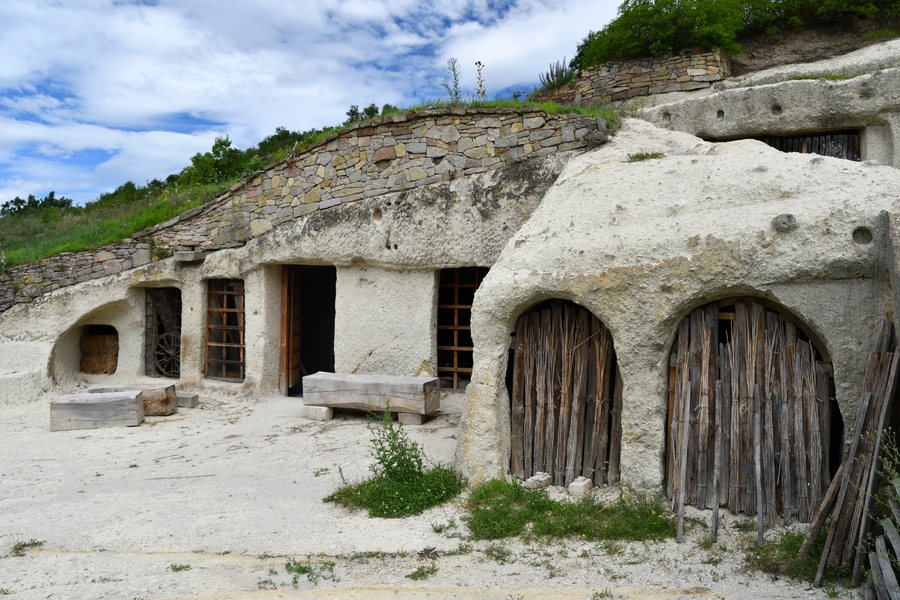 File:Noszvaj, pocemi barlanglakások 2020 02.jpg
Photo: Pasztilla aka Attila Terbócs via Wikimedia Commons, CC BY-SA 4.0
Noszvaj at a glance
- The old cave dwellings of Pocem, on what was once Betlehem utca, now serve as a venue for artistic activities.
- Imány-tető is a 309-metre-high hill in the centre of Noszvaj.
- The Forrástúra leads into the forest north of the village and is 7.5 km long.
- Síkfőkút is Noszvaj’s recreation area, north of the village.
- De la Motte-kastély stands in a 25-hold park and was built in the style of Louis XVI.
What landscapes shape Noszvaj?
Imány-tető combines a precise elevation with a central location: the hill is 309 metres high. A millennium monument and a national flag stand on it. Wildflowers, including several protected plants, grow on its slopes. This brings natural and cultural features together in one named place.
Síkfőkút, the village’s recreation area, lies north of Noszvaj in the valley of the Kánya stream. There are natural ponds as well as others created later by people, and the landscape is surrounded by forest and mountains. Its connection to the village and its valley setting distinguish this landscape from the central features of Imány-tető.
Which routes and experiences can you compare?
The Forrástúra leads into the forest north of Noszvaj. On this puzzle trail, you look for eight springs and solve a riddle at each one, accompanied by a verse. The route is 7.5 km long and includes an elevation gain of 350 m, followed by a descent. The figures may vary depending on the circular route you choose. The distance and elevation profile give you specific points of reference when planning the trail as part of your trip.
The cellar rows offer another way to explore Noszvaj on foot. They include the rows along Szomolyai út and Jókai út, as well as Kőporosi, Imányi, Emődi, Kis-Imányi and Mátyás-téri, which are suitable for walks. The Forrástúra, by contrast, centres on riddles, verses and springs in the forest. These routes focus on different themes, and no distance is specified for the cellar rows.
The old cave dwellings of Pocem are also part of local history. They are located on what was once Betlehem utca and now serve as a venue for artistic activities. The entrance on Honvéd utca provides pedestrian access throughout the year. Check the latest visitor information before your visit as well.
Which cultural sites tell stories of history and everyday life?
A new exhibition on the history of De la Motte-kastély takes centre stage at the castle. The building was constructed in the style of Louis XVI and stands in a 25-hold park. The castle, exhibition and park are three specific features that characterise the site.
The Reformed Church of Noszvaj displays copies of the original painted coffered panels. Sándor Gelsei made them in 2001. Through its exterior and furnishings, the Noszvaji Gazdaház offers a picture of the living conditions and way of life of wealthy farming families in the late 19th century. While the church puts the panels at the centre, the Gazdaház focuses on historic homes and family life.
What other themes does the broader destination of Heves offer?
The broader destination of Heves offers additional landscape and cultural themes that are distinct from those of Noszvaj. These include the Hevesi Füves Puszták Landscape Protection Area in the southern part of Heves County. It covers 16,114 hectares, was designated in 1993, and reached its current size after expansions in 2005 and 2008.
Another attraction is the 6.5 km Ilona-völgyi educational trail along the Ilona stream. It passes geological features of the Eastern Mátra Mountains and traces of historic ore mining. In the Szépasszony Valley, Eger has its largest contiguous area of wine cellars; wine culture and the gastronomy associated with it are among the area’s major tourist attractions. These examples add further natural and cultural highlights to the broader destination of Heves.
Discover more destinations: Egerszólát, Novaj, Egerszalók, Kerecsend, Demjén, Feldebrő, Egerbakta, Verpelét.
FAQ
How long is the Forrástúra?
The Forrástúra is 7.5 km long and includes an elevation gain of 350 m, followed by a descent. The figures may vary depending on the circular route you choose.
Can you reach Pocem’s cave dwellings on foot all year round?
The entrance on Honvéd utca provides pedestrian access throughout the year. Check the latest visitor information before your visit as well.
What does the Noszvaji Gazdaház convey?
Its exterior and furnishings offer a picture of the living conditions and way of life of wealthy farming families in the late 19th century.
To the overview of the wider destination: Egri.

