
Jászdózsa: Archaeology, Church Art and the Tájház
Accommodation in Jászdózsa
Jászdózsa brings together archaeological traces, church art and a historic home. If you would like to compare these themes while planning your trip, you’ll find the key differences and the wider regional context here.
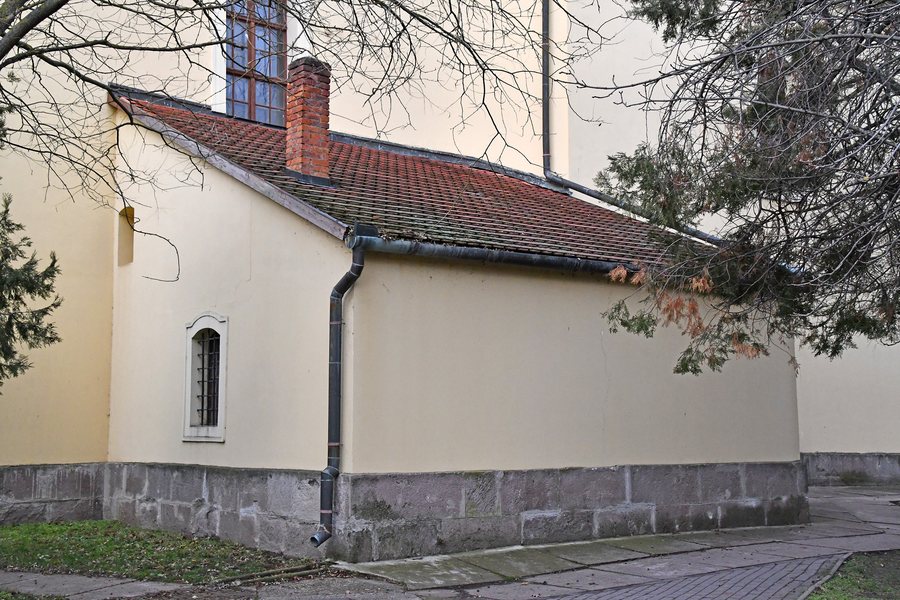 Jászdózsa, római katolikus templom 2024 09.jpg
Photo: Pasztilla aka Attila Terbócs via Wikimedia Commons, CC BY-SA 4.0
Jászdózsa at a glance
- The archaeologically significant Kápolna-halom lies on the outskirts of Jászdózsa.
- Excavations there uncovered the foundations of three medieval churches built one on top of another, as well as graves dating from the 11th to the 16th century.
- The Varga family had a stone cross erected on the hill in 1874; it was renewed in 1947.
- The Dósai Tájház is a four-room house built in 1847, with its original doors and windows preserved.
What archaeological traces can be found at Kápolna-halom?
Kápolna-halom lies on the outskirts of Jászdózsa and is notable for its archaeological significance. Excavations uncovered the foundations of three medieval churches built one on top of another. There are also graves dating from the 11th to the 16th century. The site thus spans several centuries of local history, and its evidence cannot be attributed to just one period.
The stone cross at the summit is also part of the hill’s history. The Varga family had it erected in 1874; it was renewed in 1947. Archaeological remains and a later memorial thus stand side by side at Kápolna-halom. Bronze Age finds include decorated vessels and gold jewellery. They can be seen at the Jász Múzeum in Jászberény and the Damjanich János Múzeum in Szolnok. If you would like to visit these collections, check in advance whether the objects are currently on display.
What do the church and the Tájház tell us about the town?
The main altarpiece in the Roman Catholic church in Jászdózsa offers another way to explore the town’s culture. It was painted in 1856 by Mihály Kovács of Eger. It depicts the Archangel Michael casting Lucifer into hell with a flaming sword. The painting thus provides a specific point of reference for the town’s religious art history: the artist, date and subject are all clearly identified.
The Dósai Tájház, by contrast, draws attention to the architecture of a home. Built in 1847, it consists of four areas: a large room, kitchen, small room and pantry. Its doors and windows are original. The layout can therefore be described through the elements that have actually been preserved, rather than viewing local history only through individual dates. Together with the altarpiece, it creates a contrast between religious imagery and historic domestic architecture.
What else does the wider destination have to offer?
The wider destination of Jász-Nagykun-Szolnok County extends beyond Jászdózsa. Tisza-tó, in the northern part of the county, serves as a tourist hub; the lake and its surroundings are among the region’s outstanding areas for cycling tourism. The international EuroVelo 2 cycling route also runs through the county along the Tisza. These regional details describe the broader travel context.
Another nature-focused attraction in the wider destination of Jász-Nagykun-Szolnok County is the Tiszakürt Arboretum. It is of national botanical importance and has been a nature reserve of national importance since 2001. The collection includes more than 1,000 plant species and varieties. In the Öregkert area, a signposted network of paths stretching 3.5 kilometres is available for walks. This makes it easy to distinguish between different travel interests when planning: the archaeological and architectural heritage of Jászdózsa on the one hand, and cycling and nature attractions in the wider destination on the other.
Discover more destinations: Jászberény, Jászalsószentgyörgy, Jászboldogháza, Jásztelek, Jászszentandrás, Jászapáti, Jászárokszállás.
FAQ
What was excavated at Kápolna-halom?
The foundations of three medieval churches built one on top of another were uncovered, along with graves dating from the 11th to the 16th century.
Where can Bronze Age finds from Kápolna-halom be seen?
Decorated vessels and gold jewellery are displayed at the Jász Múzeum in Jászberény and the Damjanich János Múzeum in Szolnok. Check what is currently on display before your visit.
How do the themes of the church and the Tájház differ?
The church’s main altarpiece is a religious artwork by Mihály Kovács, painted in 1856. The Tájház shows the layout of a house built in 1847, with a large room, kitchen, small room and pantry.
For the wider travel overview: Jászberény.

