
Discover Tarján: churches, Tájház and themed trail
Accommodation in Tarján
Tarján combines architectural history and local heritage with a themed walking trail and a cycling route to Bicske. The churches, the Tájház and the routes offer different points of interest when choosing the town for your trip.
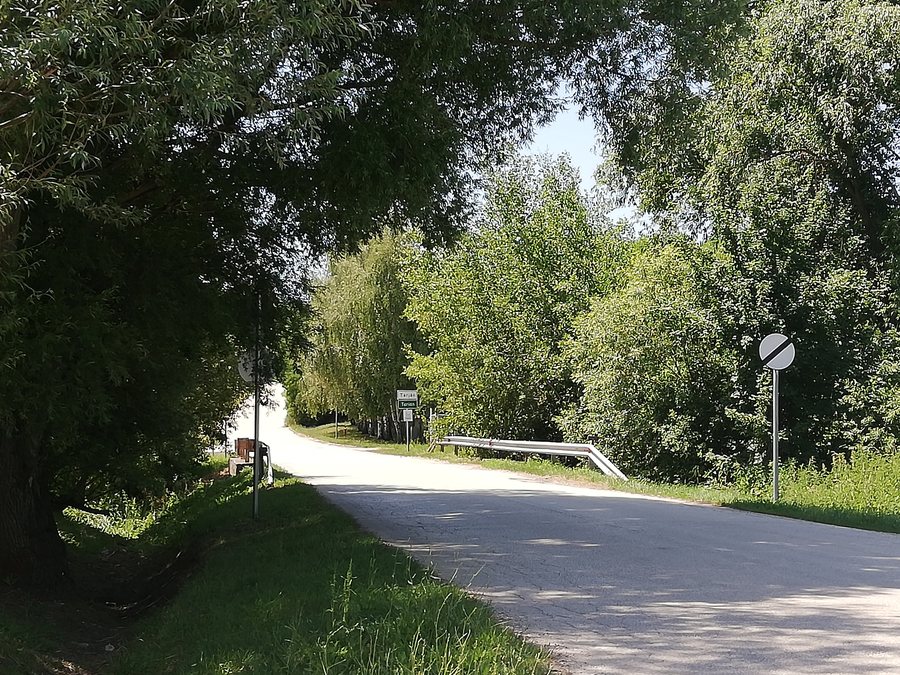
Tarján at a glance
- The Roman Catholic Baroque church was built from 1779 to 1783 to plans by Jakab Fellner.
- The Reformed church dates from 1785; its tower was added in 1825.
- The Tájház houses a permanent exhibition in a farmhouse dating from 1912.
- A themed trail with seven stops runs along one of Tarján’s main streets.
- A cycling route connects Tarján and Bicske and passes through the area of Tarjáni Horgásztó.
What architectural and local history can you discover in Tarján?
The two churches can also be distinguished by their construction dates: the Roman Catholic Baroque church was built between 1779 and 1783 to plans by the architect Jakab Fellner. The Reformed church was built in 1785, and its tower was added in 1825. Together, a building from the late 18th century and a church whose tower was added later represent different stages in the town’s architectural history.
A cross-shaped group of 96 gravestones commemorates the ancestors who settled in Tarján from 1737 onward. It also reflects the religious, ethnic and stonemasonry characteristics of their time. Several rows of wine cellars add to the local landscape, including Kis-szállás, Őrhegy and Sövénykert, in Tarján and its surrounding area.
What does the Tájház show?
The Tájház houses a permanent exhibition in a farmhouse built in 1912. The exhibition rooms include a period-furnished room, a kitchen, a smithy and a pantry. The displays range from domestic life and cooking to crafts and food storage. If you are interested in historical everyday interiors, the Tájház offers a different perspective on Tarján alongside its churches and group of gravestones. Check current visiting arrangements before planning an indoor visit.
How can you explore Tarján on foot or by bike?
The seven-stop themed trail runs along one of Tarján’s main streets. It introduces the history, everyday life and customs, as well as the cultural and religious life, mother tongue and present-day community of the local Germans. The trail begins at the first information board by the church. With the help of the map, you can follow the route on foot and explore many of the village’s sights. Before setting out, check whether the map and boards are available for use on site.
For cycling, there is another option: the cycling route connects Tarján and Bicske and passes through the area of Tarjáni Horgásztó. The area is popular with runners and cyclists. The two options therefore differ in how you travel and where they lead: the themed trail explores Tarján on foot, while the cycling route connects Tarján with Bicske.
What does Tarján mean for your accommodation search?
When looking for a hotel, you can first decide whether your plans will focus on Tarján itself or on a broader area of the wider Komorn-Gran destination. In Tarján, the churches, the Tájház, the group of gravestones and the themed trail are specific local interests; the cycling route also provides a connection to Bicske. These themes can help you decide what you want to focus on during your trip, without presuming a particular place to stay.
What else does Komorn-Gran have to offer?
The wider Komorn-Gran destination offers additional nature and culture themes in their own right. Gerecsei Tájvédelmi Körzet is a nationally significant protected landscape covering 8,676 hectares. In the Gerecse, alongside the predominant Triassic limestone, there is also Jurassic limestone, which is particularly rich in fossils. Cultural attractions include Majki Kamalduli Remeteség, a Baroque monument complex with seventeen hermit houses, a church tower and a monastery. An exhibition there covers the general and Hungarian history of the Camaldolese order. This lets you distinguish Tarján’s local history from the destination’s other themes.
Discover more destinations: Tatabánya, Várgesztes, Vértesszőlős, Vértessomló, Gyermely, Környe.
FAQ
Which churches can you see in Tarján?
The Roman Catholic Baroque church was built between 1779 and 1783 to plans by Jakab Fellner. The Reformed church dates from 1785; its tower was added in 1825.
What is included in the Tájház exhibition?
The permanent exhibition in the 1912 farmhouse includes a period-furnished room, a kitchen, a smithy and a pantry. Check current visiting arrangements before your visit.
Where does the themed trail in Tarján begin?
The seven-stop themed trail begins at the first information board by the church. You can follow it on foot with the help of the map; check in advance whether the map and boards are available for use on site.
What cycling route is available?
A cycling route connects Tarján and Bicske. It passes through the area of Tarjáni Horgásztó, which is popular with runners and cyclists.
To the wider travel overview: Tatabányai.

