
Discover Várgesztes
Accommodation in Várgesztes
Várgesztes lies in a valley below Gesztes Castle and combines a striking location in the Vértes with the history of its castle and village, local cultural traditions, and marked hiking trails.
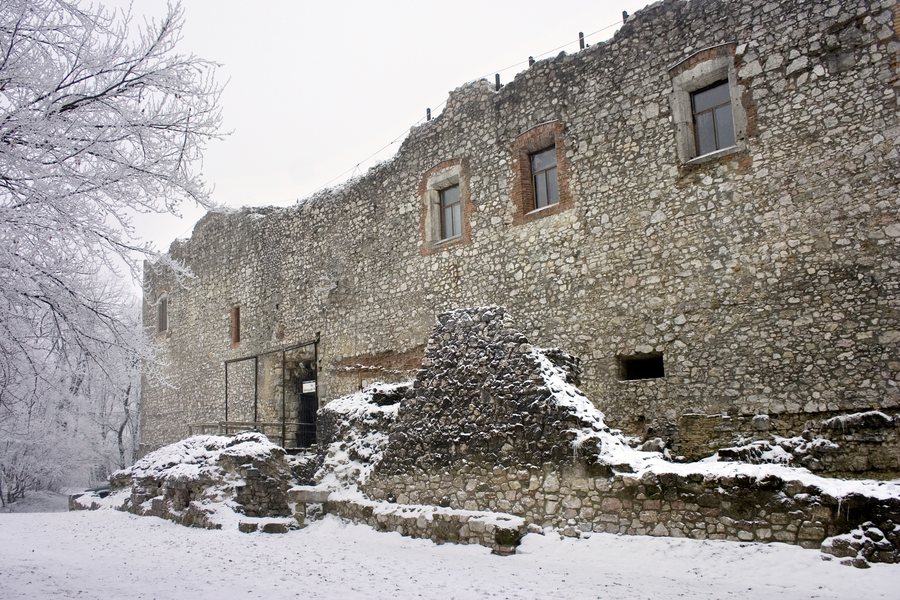
Várgesztes at a glance
- The village lies in the northwestern corner of the Vértes, in the valley below Gesztes Castle.
- The Várgesztes Basin is a small tectonic basin between mountains.
- Gesztes Castle dates from the 14th century, during the reign of Sigismund.
- Local sights include the banks of the Gesztes stream and a fishing lake at the entrance to the village.
- There are marked hiking trails in Várgesztes.
What defines its location in the Vértes?
Its valley setting and location on the northwestern edge of the Vértes give the village a distinct landscape. The small Várgesztes Basin lies between mountains, while Zsigmond-kő rises above the village. The Várgesztes Basin is a small tectonic basin in the northwest of the Vértes.
The Gesztes stream is also part of the village landscape. Its banks are among the sights of Várgesztes. For visitors especially interested in the scenery when planning a trip, there are two other specific points of interest: the marked hiking trails and the fishing lake at the entrance to the village. From the banks of the fishing lake, Zsigmond Rock is visible; from the rock, the view stretches over Várgesztes and the surrounding landscape.
What can you discover around Gesztes Castle?
Gesztes Castle is a 14th-century castle dating from the time of Sigismund. The village lies below the castle. It is currently being renovated: visitors are free to walk around the outside, but the interior is not accessible. If you would like to include the castle in your exploration, bear in mind the distinction between its exterior and interior.
There is also a statue of Our Lady of Lourdes in a rock niche on the road to Gesztes Castle. In the village, the church also stands out against the valley: it is designed in the Neo-Gothic style and overlooks it. The present-day church was built in 1872 on the site of an earlier chapel. The castle, statue and church offer different historical and cultural points of interest, without needing to be combined into a single visit.
Which traditions are part of Várgesztes?
The Német Kultúregyesület Várgesztes was founded in 1991. Its aim is to preserve the village’s Swabian traditions, songs and dialect. The annual commemoration of the arrival of Bavarian settlers is also part of this heritage: it makes the history of the settlement a recurring part of local cultural life.
Another event that keeps traditions alive is Csengő-nap, an annual cultural program held since 1994. There is also a cultural gathering associated with August 20, established in 2010. On August 26, several groups were welcomed as returning guests. Visitors interested in village culture can explore these aspects alongside the architectural sights: community association activities, remembrance of the settlers and recurring cultural programs each offer a distinct perspective.
More destinations to compare in the directory: Tatabánya, Vértesszőlős, Vértessomló, Környe, Gyermely, Tarján.
FAQ
Can you visit the interior of Gesztes Castle?
No. During the current renovation, visitors are free to walk around the outside of the castle; its interior is not accessible.
What is Csengő-nap?
Csengő-nap is an annual cultural and heritage event in Várgesztes. It has been held since 1994.
Which natural features are mentioned in Várgesztes?
Local sights include the banks of the Gesztes stream and the fishing lake at the entrance to the village. There are also marked hiking trails, and Zsigmond Rock is visible from the lakeshore.
For the wider travel overview: Tatabánya.

