
Vértesszőlős
Accommodation in Vértesszőlős
Archaeological finds, a restored Tájház and a bell cast in 1903 showcase the diverse cultural themes of Vértesszőlős.
Vértesszőlős at a glance
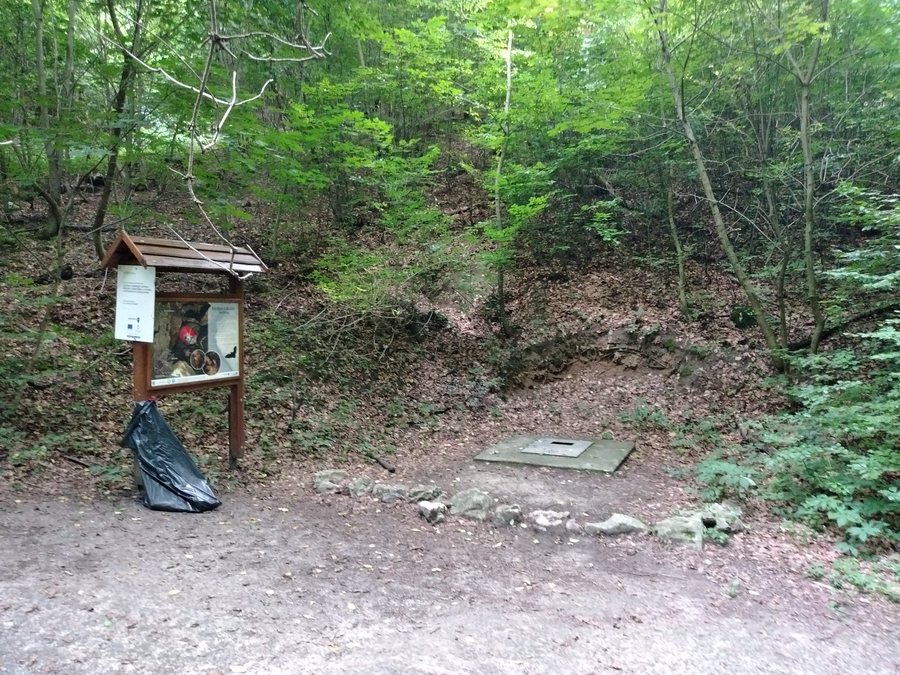
- The open-air exhibition at the MNM Vértesszőlős Archaeological Site displays remains and their formation context from a site around 400,000 years old.
- Two excavated and exhibited sites present millions of stone tools, hearths, animal bones and human remains.
- The Tájház is a restored farmhouse with local folk furniture and objects; six of its seven rooms are furnished.
- The cemetery chapel houses a 38-kilogram Saint Joseph bell cast in 1903. A visit must be arranged in advance.
What does the archaeological open-air exhibition show?
The exhibition brings together archaeological, anthropological and palaeontological remains with the formation context of the find site. The age refers to the site: it is around 400,000 years old. This means the focus is not only on individual finds, but also on the context in which the remains are presented.
The two excavated and exhibited sites show the wide range of materials found. These include millions of stone tools, hearths fuelled with fatty bones, and bones of hunted animals. Human milk teeth and an occipital bone add to these finds. Visitors interested in archaeology can view different types of finds side by side without conflating them with a single object.
What distinguishes the Tájház from the cemetery chapel?
The restored Tájház has a different focus from the open-air exhibition: it features a farmhouse and its local folk furniture and objects. Six of its seven rooms are furnished. It therefore complements the archaeological perspective with a tangible presentation of local domestic life and material culture.
A single historic object takes centre stage in the cemetery chapel: the 38-kilogram Saint Joseph bell. It was cast in 1903 at the Csepeli Szivattyú- és Gépgyár. A visit to the chapel must be arranged in advance. If you would like to include this in your plans, make sure to arrange your visit before you go.
What characterises the wider Komorn-Gran destination?
The wider Komorn-Gran destination adds landscapes to its cultural offerings. The Gerecsei Tájvédelmi Körzet is a nationally significant, individually designated landscape protection area in Komárom-Esztergom, covering 8,676 hectares. Triassic limestone predominates in the Gerecse; particularly fossil-rich Jurassic limestone is also found there. These details offer a distinct regional perspective on landscape and geological history, separate from the sites in Vértesszőlős.
The Majki Kamalduli Remeteség is also part of the wider Komorn-Gran destination. This Baroque monument complex comprises seventeen cell houses, a church tower and a monastery; an exhibition covers the general and Hungarian history of the Camaldolese order. Opening hours are Tuesday to Sunday: 10:00–18:00 from 1 April to 31 October and 09:00–17:00 from 1 November to 31 March. Check the hours before visiting, as they may change.
The Bábolna Nemzeti Ménesbirtok offers a different kind of experience in the wider Komorn-Gran destination: it runs carriage rides to the nearby arboretum in two carriages drawn by Shagya Arabian mares. Advance booking is required. The regional themes are therefore distinct: archaeology and local culture in Vértesszőlős, landscapes and monument history in the wider Komorn-Gran destination, and a carriage experience in Bábolna that requires advance booking.
Discover more destinations: Várgesztes, Környe, Vértessomló, Tatabánya, Gyermely, Tarján.
FAQ
What does the open-air exhibition in Vértesszőlős show?
It shows archaeological, anthropological and palaeontological remains, along with their formation context, from a site around 400,000 years old. The finds on display include stone tools, hearths, animal bones and human remains.
How is the Tájház furnished?
The restored farmhouse contains local folk furniture and objects. Six of its seven rooms are furnished.
How can a visit to the cemetery chapel be planned?
The chapel houses the 38-kilogram Saint Joseph bell, which was cast in 1903.
When is the Majki Kamalduli Remeteség open?
In the wider Komorn-Gran destination, it is open Tuesday to Sunday: 10:00–18:00 from 1 April to 31 October and 09:00–17:00 from 1 November to 31 March. Check the opening hours before your visit.
Back to the wider travel overview: Tatabányai.

