
Szanda: Palóc Traditions and Trails to the Castle Ruins
Accommodation in Szanda
Szanda combines Palóc culture passed down through generations with specific destinations for a day trip: an exhibition in Szandaváralja, Mária Spring and the trail to the castle ruins.
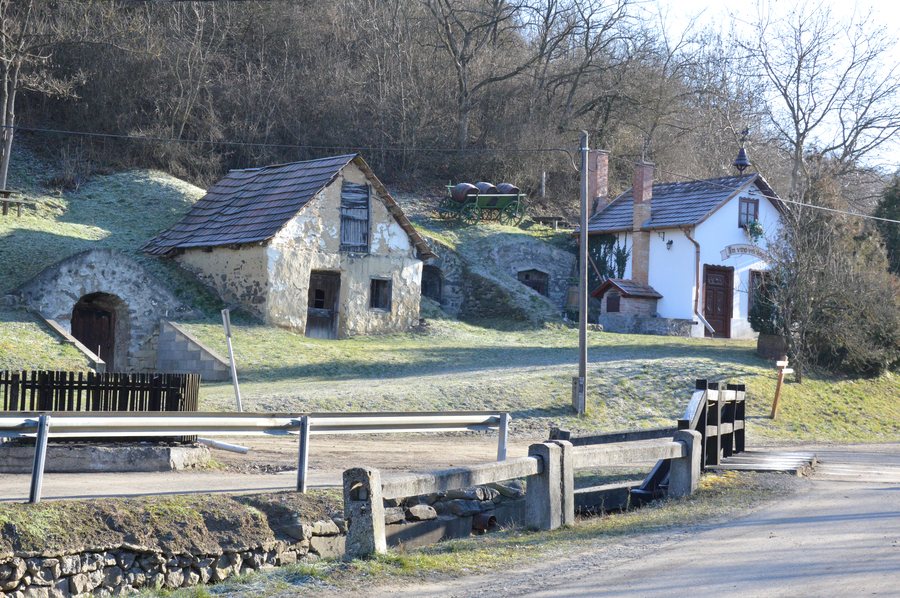
Szanda at a glance
- In Szandaváralja, GEOfood-labelled jams are made from fruit grown in the local orchards.
- The Tájház presents an exhibition created by the community about local heritage, which visitors can see free of charge.
- Máriácska Chapel has stood in Kacsapart on Rákóczi út for more than 100 years.
- Marked trails lead from Szandaváralja to the castle ruins on Vár Hill.
What makes Szanda’s local culture distinctive?
The jams from Szandaváralja are made by Viktorné Benedek Boglárka. She uses fruit from the orchards of Szandaváralja and follows methods she learned from her parents. The GEOfood label is part of the designation of these local products. Their cultural background goes back further: for centuries, the Palóc community around Szanda passed down fruit growing and processing from mother to daughter.
The Tájház in Szandaváralja offers an insight into local heritage. Its exhibition was created through community involvement and is free to visit. Together with the traditional processing of fruit, it highlights different aspects of local culture: a community-curated exhibition on the one hand, and a product made using methods learned from previous generations on the other.
Which places can you include in a visit to Szandaváralja?
Máriácska Chapel stands in the Kacsapart district on Rákóczi út and is more than 100 years old. At Mária Spring, benches, steps and wooden railings were installed with municipal support. The spring was cleaned, and its water now flows from a small pipe. Check the conditions on site when planning your visit.
These places offer different experiences: the Tájház focuses on local heritage preserved by the community, while the chapel and spring are individual stops for spending time outdoors. You can decide which ones suit your interests rather than combining all the destinations into a fixed itinerary.
How do you get to the castle ruins?
For the hike to Szanda Castle, you can leave your car at the edge of Szandaváralja, by the bus turning area, and then follow the Kék Túra. The blue-marked Kék Túra leads to the foot of Vár Hill. There, the L trail, also marked blue, branches off and leads to the castle ruins. Check the conditions on site before setting out.
If the castle ruins are your main focus, plan your day around this starting point and the route described. For a more culture-focused visit, you could instead prioritize the Tájház and local sites. These different priorities can help you plan your trip without combining the experiences into a longer route.
Which regional cultural highlights complement Szanda?
In the wider Neuburg destination, the old village of Hollókő offers a distinct cultural highlight. It is a Palóc settlement in Nógrád County in northern Hungary and a deliberately preserved, living example of rural life before the 20th-century agricultural revolution. This is a separate regional point of interest: Szanda’s local exhibition, fruit processing and trails remain distinct experiences.
When choosing accommodation, you can consider whether you mainly plan to hike to the castle ruins or visit the cultural sites in Szandaváralja. This lets you begin your search by asking which experiences matter to you on your trip.
Discover more destinations: Szügy, Hont, Terény, Bercel, Nógrádmarcal, Balassagyarmat, Érsekvadkert, Drégelypalánk.
FAQ
Where can you park your car for the hike to Szanda Castle?
At the edge of Szandaváralja, by the bus turning area. From there, you can follow the Kék Túra to the foot of Vár Hill; the L trail continues to the castle ruins.
What can you see at the Tájház in Szandaváralja?
The Tájház presents an exhibition created by the community that preserves local heritage. It is free to visit.
What can you expect at Mária Spring?
There are benches, steps and wooden railings at the spring. Its water now flows from a small pipe; check the conditions on site.
Go to the overview of the wider destination: Balassagyarmati.

